Sign in. It’s quick, free and it’s up to you.
An account is an optional way to support the work we do. Find out more.
Sign in. It’s quick, free and it’s up to you.
An account is an optional way to support the work we do. Find out more.
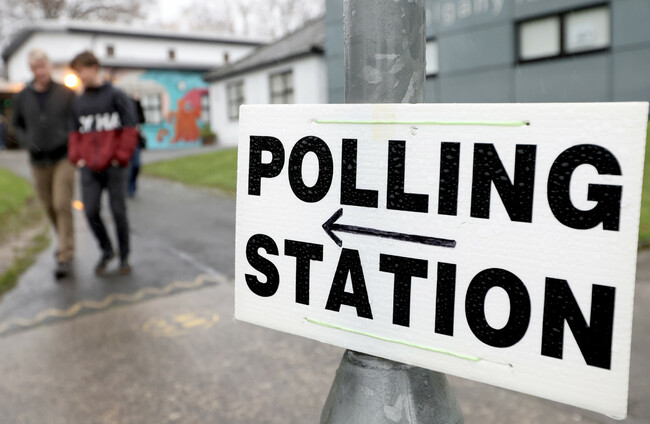
THE ELECTORAL COMMISSION is calling on the government to waive the fees associated with applying for a postal vote because of a disability or illness.
The Commission, which was established in 2023 to oversee all elections has pointed out “continued failings” around the accessibility of voting.
Under existing rules, anyone who is voting by registered postal vote due to a medical condition can be charged a fee by a medical professional for confirmation that the voter is unable to go to a polling station.
Art O’Leary, the chief executive of the Commission said it’s “unjustifiable” that people have to pay to access their vote.
Every polling station and polling booth should afford every elector the right to vote in privacy and with dignity.
Scrapping the fee is among eight recommendations given today in the Commission’s latest post-election report.
For visually impaired users, phone numbers listing candidates in the order they appear on the ballot paper should be displayed prominently on the government websites, it was recommended. Audio files should be provided on these websites.
The Commission also called for a review of the statutory timelines for elections following the dissolution of the Dáil, to ensure people have sufficient time to complete the postal vote process.
There are a number of recommendations to help polling staff, such as the issuing of guidance on how to dispose of polling information cards left behind by voters and what to do if voters are issued ballot papers for the wrong constituency.
The Commission visited 87 polling stations across 26 counties on 29 November 2024, the day of the general election, where they observed voting procedures and conditions.
The report also recommended:

To embed this post, copy the code below on your site













have your say