Sign in. It’s quick, free and it’s up to you.
An account is an optional way to support the work we do. Find out more.
Sign in. It’s quick, free and it’s up to you.
An account is an optional way to support the work we do. Find out more.
THE ENVIRONMENTAL PROTECTION Agency (EPA) has found that a blockage at the Leixlip Water Treatment Plant led to the largest-ever boil water being issued in Ireland.
The notice was issued for 600,000 Irish Water customers in the greater Dublin area last week, after it was suspected that the disinfection process at the plant may have been compromised.
The agency conducted an audit of the plant on Friday, and in a critical report published last night, it confirmed that a blockage leading to elevated turbidity levels in treated water was the main cause of the incident which led to the notice.
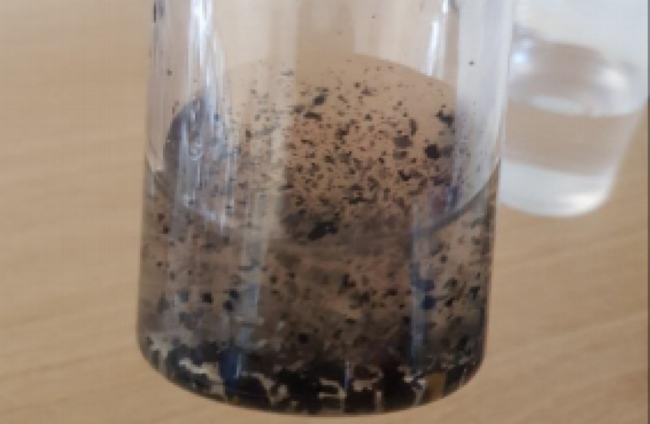
The blockage was made up of small black particles and debris, which appeared to emerge from two alum storage tanks.
The EPA noted that the two tanks are approximately 25 years old, and that it appeared the their internal lining material deteriorated, creating small flakes which later caused a blockage.
“This compromised the integrity of the treatment barriers for the removal of Cryptosporidium/Giardia [parasites] creating a significant risk to the safety of the water supply,” the EPA said.
However, the agency also found that Irish Water subsequently failed to respond to process alarms which activated at the plant as a result of the elevated turbidity levels.
This followed a failure by Irish Water and Fingal County Council to implement the main recommendations of another audit at the plant in March, when the EPA advised them to install an automatic shutdown system when there is no response to plant alarms.
The agency found that this failure was a contributory factor to last week’s incident.
It said that an automatic plant shutdown system has now been installed at the plant if there is a failure to respond to a turbidity alarm within 15 minutes.
But while the EPA noted that Leixlip Water Treatment plant is now operating satisfactorily, it remained critical of the treatment system at the facility.
“The level of treatment at this plant is not sufficient to manage the risk posed by the River Liffey source water,” the agency said.
It recommended that Irish Water should consider installing ultraviolet disinfection at the plant to ensure better drinking water quality and more adequate protection of public health in future.
The agency added that Irish Water is required to submit a report to the EPA by 30 November to detail how it has addressed the recommendations contained in the audit.

To embed this post, copy the code below on your site















have your say