We need your help now

Support from readers like you keeps The Journal open.

You are visiting us because we have something you value. Independent, unbiased news that tells the truth. Advertising revenue goes some way to support our mission, but this year it has not been enough.

If you've seen value in our reporting, please contribute what you can, so we can continue to produce accurate and meaningful journalism. For everyone who needs it.

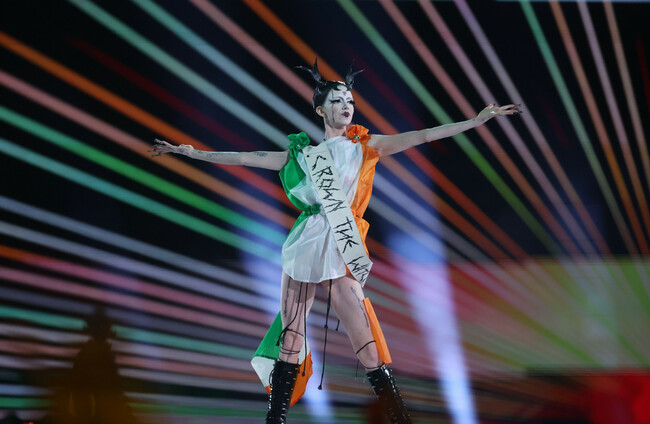
Bambie Thug represented Ireland at the song contest in 2024. Alamy Stock Photo

Ireland and three other countries are out - so what will next year's Eurovision look like?

Broadcasters have until mid-December to decide whether they’re in or out.

LAST UPDATE | 5 Dec 2025

RTÉ’S CONFIRMATION YESTERDAY that Ireland will not take part in Eurovision 2026 came alongside similar announcements from Spain, the Netherlands and Slovenia.

The decisions followed confirmation that Israel would be allowed remain in next year’s competition, after a vote in Geneva by EBU members to approve new voting-system reforms.

The vote, by secret ballot, was passed by members – making it clear there would not be enough support among the broadcasters for any additional vote to bar Israel from the contest.

RTÉ said the humanitarian crisis in Gaza and the targeting of journalists made participation “unconscionable”.

Over 70,000 people in Gaza have been killed by Israel forces since 7 October 2023. Over 200 journalists have also been killed in the region.

Spain, the Netherlands and Slovenia separately confirmed they would also not take part in the competition, set to be hosted in Vienna.

National broadcasters from the various countries represented at Eurovision manage their nation’s entry each year, and the contest is staged by the EBU – which is, essentially, an umbrella body for the broadcasters. 

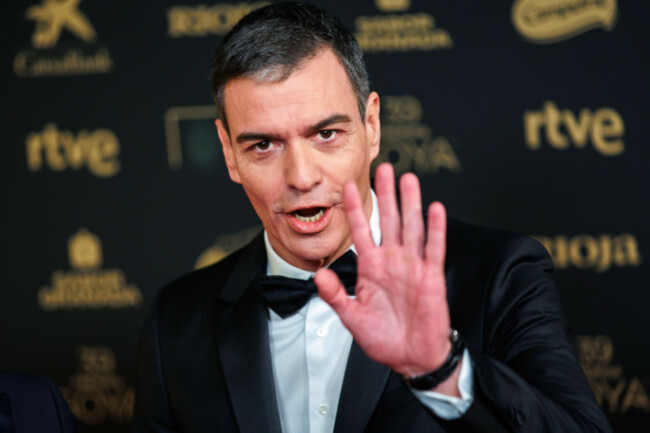
granada-spain-8th-february-2025-pedro-sanchez-spains-prime-minister-attends-the-red-carpet-of-the-39th-goya-awards-at-the-palacio-de-congresos Spain's Prime Minister Pedro Sánchez has been outspoken on Israel's war on Gaza. Alamy Stock Photo Alamy Stock Photo

The four withdrawals last night do not necessarily mean a broader boycott is building — but they do place fresh attention on several other broadcasters, who have said they have not yet decided whether they will compete.

Who still hasn’t decided?

Iceland is the one to watch for now.

Its broadcaster RÚV said yesterday that it will not make a final decision until its board meets next Wednesday.

Iceland had previously recommended that Israel be expelled from the competition.

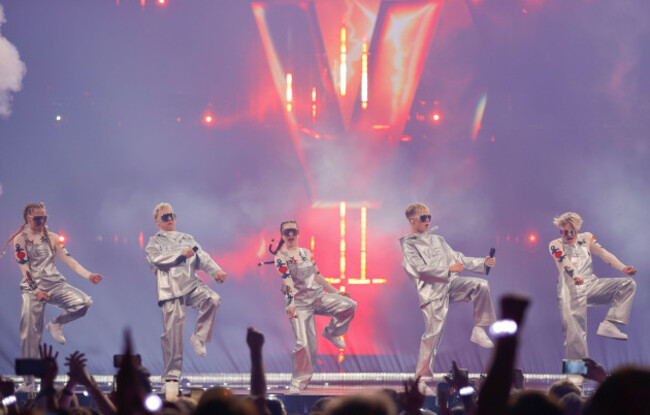
basel-switzerland-18th-may-2025-basel-switzerland-may-17-2025-eurovision-song-contest-esc-2025-show-finals-with-the-icelandic-group-vaeb-for-iceland-with-the-song-roa-photo-by-mandoga-m Icelandic duo Vaeb at the 2025 Eurovision final. Alamy Stock Photo Alamy Stock Photo

Finland’s national broadcaster Yle has also said they are “considering” their position but have not confirmed withdrawal.

The German broadcaster SWR, which had previously threatened to exit if Israel was removed, welcomed the EBU’s decision and said it is “looking forward to participating” next year as a celebration of “cultural diversity and solidarity”.

The BBC has not yet confirmed UK participation, though the Conservative Party said it is “absolutely right” for Israel to be part of Eurovision, and described the boycotts by several countries as “deeply concerning”.

Belgium’s broadcaster RTBF and Sweden’s STV also confirmed that the countries, which had reportedly been considering a boycott, will be taking part in the competition next year.

Australia’s broadcaster SBS said it will continue in the contest, saying decisions based on “the inclusion or exclusion of any country” would undermine its editorial independence.

The head of Austria’s ORF also welcomed the inclusion of Israel and its host broadcaster KAN, saying it was important “not to burn any bridges”. 

Broadcasters have until mid-December to confirm whether they’re taking part or not. 

It’s usually the case that individual countries hold their own selection processes in the early months of any contest year – so we’ll see acts confirmed by the various competing broadcasters within the next few months. 

Why the boycotts matter

Spain’s exit is particularly significant because it is part of the Big Five, the core funders of Eurovision (alongside the UK, France, Germany and Italy) who automatically qualify for the grand final.

Spain’s broadcaster RTVE is one of the contest’s major financial contributors.

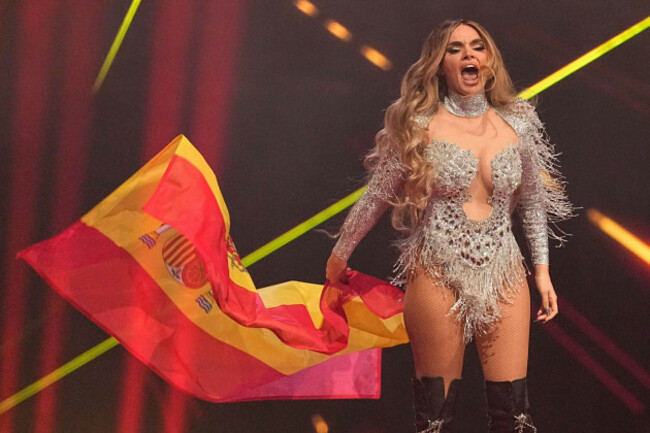
melody-from-spain-reacts-as-she-arrives-for-the-grand-final-of-the-69th-eurovision-song-contest-in-basel-switzerland-saturday-may-17-2025-ap-photomartin-meissner Spain's 2025 Eurovision act Melody pictured during the final. Alamy Stock Photo Alamy Stock Photo

In 2024, it spent more than €595,000 on Eurovision, including over €334,000 in participation fees alone.

Eurovision expert Paul Jordan described it as “a big blow” to the EBU.

“We’ve now got less countries, meaning that the price of entering goes up for others,” Jordan said.

“So it’s not a simple thing, and I don’t think there are any winners here at all.”

The Netherlands also contributes heavily, with a roughly €500,000 annual Eurovision budget, half of which goes on participation fees supported by government funds.

Slovenia’s withdrawal is a smaller financial blow but symbolically notable: it is usually a consistent participant and rarely involved in political pullouts.

Ireland’s exit removes a strong legacy competitor (Ireland still boasts the joint highest number of wins in the contest, alongside Sweden) and comes against the backdrop of RTÉ’s own financial pressures.

Eurovision Song Contest / YouTube

In recent years, RTÉ’s participation costs have ranged from €315,000 to nearly €390,000, including staging, travel, accommodation and EBU fees.

How the contest is funded?

According to the EBU, the Eurovision Song Contest is a non-profit event financed by a number of ways, including:

  • Participation fees from national broadcasters (scaled by country size and wealth)
  • The host broadcaster, which covers major production costs
  • The host city, which contributes financially or via services such as branding and security
  • Commercial revenue from sponsorships, ticketing, merchandise and televoting

Spain and the Netherlands stepping back therefore removes two sizeable contributors from the pot, while Ireland and Slovenia reduce the number of smaller and mid-size funders.

If the cost of entering goes up, there’s a chance some smaller nations are more hard-pressed broadcasters may be put off and also decide to skip the contest for a year. 

What 2026 looks like now

The contest is still scheduled for Vienna with the standard format.

The ‘Big Five’ (now ‘Big Four’) automatically qualify for the grand final, and two semi-finals determine the remaining finalists (a system introduced in 2004).

There were 37 entrants in 2025, and 26 finalists.

The number of entrants for 2026 is not yet confirmed, but if the layout is the same as this year, the competition is down to 33 participating nations, including Israel.

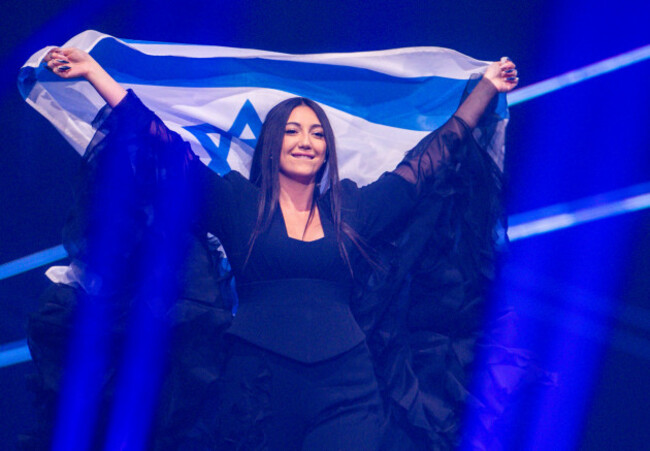
basel-switzerland-16th-may-2025-yuval-raphael-from-israel-runs-onto-the-stage-with-the-flag-during-a-rehearsal-for-the-final-show-of-the-69th-eurovision-song-contest-in-the-arena-st-jakobshalle Israeli Eurovision participant Yuval Raphael. Alamy Stock Photo Alamy Stock Photo

If any additional countries withdraw, the EBU may have to reshape the semi-finals or make other logistical adjustments.

For now, the EBU says a “large majority” of members supported its new safeguards and were satisfied that no further vote on participation was needed.

The next major moment is mid-December, when all broadcasters must formally confirm attendance.

By that point, the EBU will know the scale of the 2026 lineup, and whether Vienna will be staging a slightly smaller contest, or  – in the event of a larger number of countries also withdrawing – facing one of the most politically complicated editions in Eurovision’s 70-year history.

Readers like you are keeping these stories free for everyone...
A mix of advertising and supporting contributions helps keep paywalls away from valuable information like this article. Over 5,000 readers like you have already stepped up and support us with a monthly payment or a once-off donation.

View 125 comments
Close
125 Comments
This is YOUR comments community. Stay civil, stay constructive, stay on topic. Please familiarise yourself with our comments policy here before taking part.
Leave a Comment
    Submit a report
    Please help us understand how this comment violates our community guidelines.
    Thank you for the feedback
    Your feedback has been sent to our team for review.

    Leave a commentcancel