Take part in our latest brand partnership survey

We need your help now

Support from readers like you keeps The Journal open.

You are visiting us because we have something you value. Independent, unbiased news that tells the truth. Advertising revenue goes some way to support our mission, but this year it has not been enough.

If you've seen value in our reporting, please contribute what you can, so we can continue to produce accurate and meaningful journalism. For everyone who needs it.

Alamy Stock Photo

Garda watchdog says 21 people died in incidents involving or following garda contact in 2024

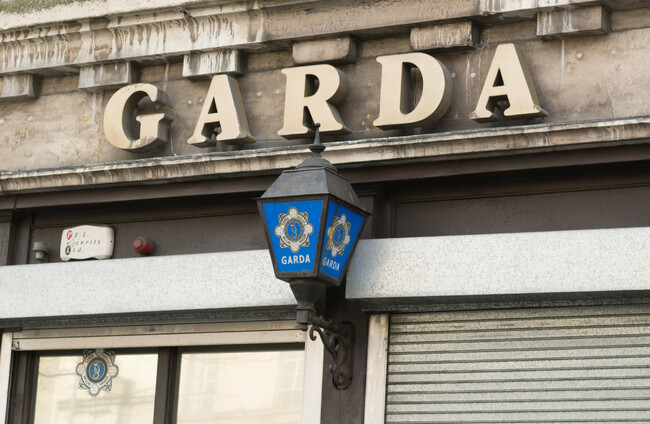
Fiosrú released its first report today on Incidents of Death and Serious Harm referred by An Garda Síochána in 2024.

THE GARDA WATCHDOG has said 21 people died, and 21 were seriously injured, in incidents involving or following contact with garda in 2024.

Fiosrú, the oversight organisation which replaced GSOC, released its first report today examining incidents involving contact with gardaí where a member of the public has died or been seriously injured. An Garda Síochána is required by law to report these incidents.

The report highlighted the frequency in which mental health difficulties, alcohol or drug use and road traffic incidents were relevant. 

Vulnerability and crisis were central features in many of the incidents. Of the 37 cases referred, 78% involved mental health, drug or alcohol issued.

Police Ombudsman Emily Logan said this raises the question as to whether a wider, coordinated response to people in crisis is required, rather than just policing.

She said garda “cannot be expected” to always have the skills necessary to help people in crisis.

“The fact that almost eight in ten of these referrals involved people with mental health difficulties, or users of alcohol or drugs, shows that gardaí are repeatedly encountering people who are vulnerable or in crisis. Policing alone cannot shoulder these complex issues,” she said.

Data breakdown

18 of the referrals involved people with known mental health difficulties. Alcohol was a factor in 19 referrals, while 13 referrals involved drug use.

Over a third of the referrals related to road traffic incidents, resulting in three deaths and 15 non-fatal injuries.

Incidents in or following Garda custody accounted for eight referrals, including five deaths and three serious injuries.

There were ten referrals relating to apparent or attempted suicides, including nine deaths.

Six referrals involved other Garda contact before the person died or was seriously harmed, including four deaths and two serious injuries.

In four incidents, people who were homeless or had a history of homelessness were involved. 

There were no referrals involving discharge of a firearm by garda.

Of the cases examined by the watchdog, garda actions resulted in two cases being referred to the Garda Commissioner for disciplinary proceedings and two being referred to the Director of Public Prosecutions for criminal investigation.

The report also included a breakdown of the ages and gender of people involved. Of the 42 people involved in referrals, 37 were male. 

Recommendations

Speaking at the launch of the report in Dublin today, Dr Yvonne Daly, Professor of Criminal Law and Evidence at DCU, said the data contained in the report “sheds much greater light on such incidents and their investigation than we previously had in GSOC  reports”.

Daly also emphasised the importance of a speciality support system being established for people in crisis situations, rather than relying solely on garda assistance.

She said: “I think we expect a lot of garda. We place a lot of faith in them, and perhaps too much faith, and perhaps too much expectation… We expect our garda to be paramedics, mental health workers, addiction counselors, risk assessors, legal experts, youth workers, administrators and so on.”

“There were only eight incidents out of the 37 [referrals] that didn’t involve either mental health or drugs or alcohol issues. The garda find themselves engaging with people in crisis or in chaos. But is that the right agency at the right time, the right intervention at the right time?”

Daly also highlighted the fact that of the cases referred, two people who died by apparent suicide had been detained under Section 12 of the Mental Health Act, therefore there distress and mental ill health were known.

“It was known they were in distress.. it’s really devastating that the help they needed didn’t materialize,” she said.

She said this further highlighted the need to provide garda with access to further support for people in crisis, and also emphasised the importance of ensuring people who are discharged from custody have effective follow-on resources.

Daly also recommended Garda begin recording ethnicity details of people who died or had been seriously injured in incidents involving or following contact with gardaí.

She said it is “beyond time” that this information is recorded, and should be expanded to other policing areas, such as data on stop and searches carried out.

Readers like you are keeping these stories free for everyone...
A mix of advertising and supporting contributions helps keep paywalls away from valuable information like this article. Over 5,000 readers like you have already stepped up and support us with a monthly payment or a once-off donation.

View 10 comments
Close
10 Comments
This is YOUR comments community. Stay civil, stay constructive, stay on topic. Please familiarise yourself with our comments policy here before taking part.
Leave a Comment
    Submit a report
    Please help us understand how this comment violates our community guidelines.
    Thank you for the feedback
    Your feedback has been sent to our team for review.

    Leave a commentcancel

     
    JournalTv
    News in 60 seconds