Sign in. It’s quick, free and it’s up to you.
An account is an optional way to support the work we do. Find out more.
Sign in. It’s quick, free and it’s up to you.
An account is an optional way to support the work we do. Find out more.
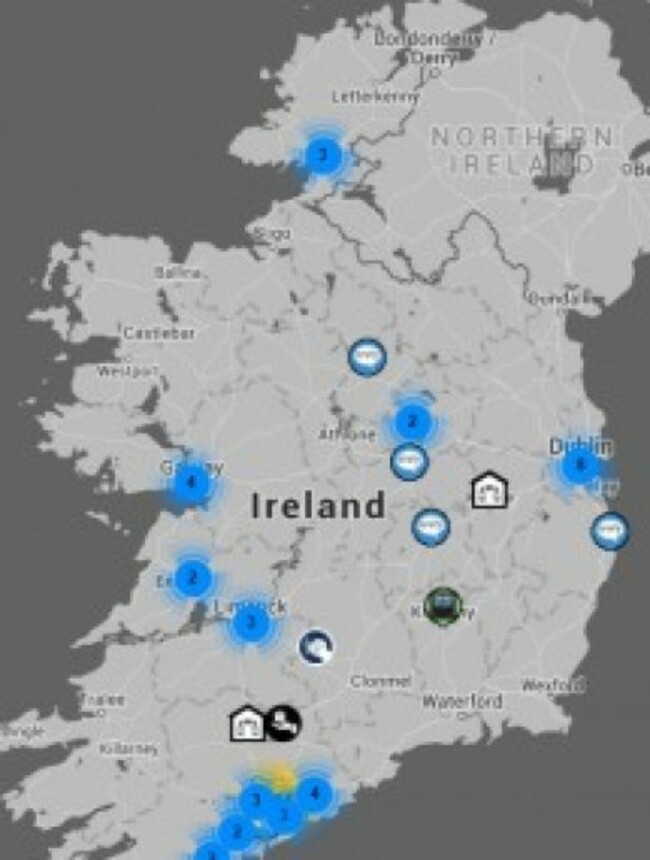
NASC, THE NATIONAL IMMIGRATION Support Centre, has launched a digital ‘hate map’ to document incidents of racism from around the country.
The data displayed on the map has been gathered through Nasc’s third party racism reporting mechanism, which has been operating since 2011. It enables people to make a report if they have been a victim of or a witness to an incident of racism or discrimination.
The objective of the map, which can be viewed here, is to monitor and document these incidents in order to push for legislative and policy change to tackle racism and hate crime.
Nasc’s CEO Fiona Finn said the map shows that “racism is very much a reality for migrants and ethnic minorities living in Ireland”.
It is important for victims and witnesses of racism to know there is something they can do to take action, even if this is by simply reporting it.
“The hate map and the racism reporting mechanism form part of Nasc’s ongoing work to combat racism and promote integration.”
Finn added that hate crime legislation has been drafted by University of Limerick’s Hate and Hostility Research Group and presented to Minister Aodhán Ó Riordáin at his request.
Roma community
Nasc’s Roma Rights Officer, Bethany Wynne Morgan, said documenting racist incidents is “particularly significant for the Roma community”.
The Roma are extremely marginalised and face discrimination daily as part of their everyday life, so it is really positive to see a greater rights awareness developing within the community whereby individuals feel empowered to stand up and challenge discrimination when it occurs.
“The daily discrimination that Roma face is completely unreported and unnoticed by the wider Irish society. I think the hate map will be an important visual tool in the Roma rights campaign simply by reflecting the scale of the issue and areas in which the incidents tend to occur – for example in accessing goods and services and within the criminal justice system.”
If you have experienced or witnessed a racist incident, you can report it confidentially to Nasc via its website.

To embed this post, copy the code below on your site













have your say