Sign in. It’s quick, free and it’s up to you.
An account is an optional way to support the work we do. Find out more.
Sign in. It’s quick, free and it’s up to you.
An account is an optional way to support the work we do. Find out more.
SURVIVORS OF DOMESTIC violence and abuse have described their experiences of navigating family law courts in Ireland, with many saying that the system re-traumatised them and did not protect them from abusers.
In some cases, how the courts handled domestic abuse cases made the situation worse rather than better, survivors have said in new research published today.
“It is one of the worst things I’ve ever been through. Ever. I sometimes put it down as worse than some of the things that he did, because of what resulted from it,” said one survivor about the court assessment process.
A team of researchers from Trinity and University College Cork have published a detailed 405-page report in collaboration with Women’s Aid and other charities looking at the experiences of domestic violence and abuse survivors in Ireland.
It looks particularly at their experiences of navigating the Irish family law system in guardianship, custody and access (GCA) cases.
The research gathered data from almost 440 survivors of domestic abuse, nearly 200 people involved in services working against domestic violence, and 61 health, social care and legal professionals.
It found that two-thirds of adult victim-survivors reported that judges failed to take their experiences of domestic violence and abuse into account when making decisions about guardianship, custody, and access involving the perpetrator.
Survivors reported being put into the impossible position of having to adhere to court-ordered custody and access arrangements that placed their children in harm’s way or risk facing penalties if they did not comply.
They described their experience of the courts as relentless, overwhelmingly negative and retraumatising.
When asked what, if anything, had been good about their experience of GCA proceedings in the family law court, many used terms like “nothing”, “N/A” or “zero”.
“Absolutely nothing. It was really traumatic, and I was made to feel like I was the problem for wanting to protect my children,” one woman said.
Another said: “Absolutely nothing, was a completely traumatic experience where endless lies were ignored, false affidavits ignored, domestic abuse was ignored, mine and children’s voices ignored, all my ex had to claim was parental alienation and courts falling over themselves for him despite the fact he cancelled all access. Maintenance hearings were dismissed more than once, I was belittled by judge in court.”
Concerns were raised about solicitors or other legal professionals not understanding the sensitivity of the cases or giving bad legal advice.
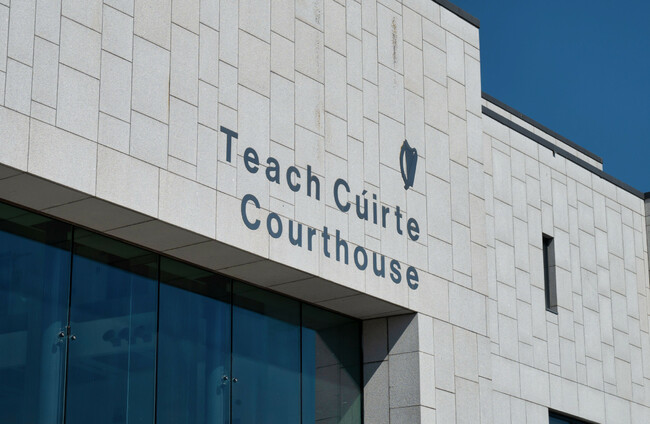
One participant described the courthouse as being “like a zoo” with solicitors “bouncing from person to person” and said that hours of being left waiting around the court opened up opportunities for her former partner to intimidate her; he was “just staring at [me] the whole time – the intimidation is huge – absolutely huge”.
Another said that being in the courtroom was “like fighting with your hands tied behind your back. There’s plenty you can say, but you can’t say, because they’re just going to throw it back at your kids. Your kids are going to get the backlash”.
One woman said: “I think the court system and every judge that I have met have placed catastrophic experiences on people – court is only a place for liars and actors. The court doesn’t have time [and] they’re not educated enough.”
Survivors were asked to quantify their overall feelings of safety while going through the courts on a scale from one to 10, one being ‘not safe at all/at risk’ to 10 being ‘very-safe/no risk’.
The average rating among female survivors was 3.3/10. More than a quarter (26%) rated their feeling of safety as only 1/10.
Women’s Aid CEO Sarah Benson said the new report “provides a picture of the horrendous abuse and control that adult and child victim-survivors have experienced during the relationship, while trying to leave and post-separation”.
Benson said that it “tells us that, sadly, even where there are some examples of informed and understanding practices among some key individuals, this is completely inadequate when the system itself is not attuned and responsive to the tactics and impacts of domestic abuse post-separation”.
“Participants in the research spoke of having to adhere to court ordered access to avoid being charged with violating a court order, requiring them to regularly engage with their abuser. This frequently provided court sanctioned opportunities for further abuse to occur,” she said.
“The research holds a mirror up to the reality of many families lives marred by domestic abuse and challenges us to do better.
“What we are particularly appalled by is the finding that adult victim-survivors of domestic abuse navigating the system for matters of guardianship, custody, and access describe the experience as relentless, overwhelmingly negative and retraumatising, with some saying that it became ‘even worse than the abuse’.”
Are you affected by issues raised in this article? Help is available:

To embed this post, copy the code below on your site














have your say