We need your help now

Support from readers like you keeps The Journal open.

You are visiting us because we have something you value. Independent, unbiased news that tells the truth. Advertising revenue goes some way to support our mission, but this year it has not been enough.

If you've seen value in our reporting, please contribute what you can, so we can continue to produce accurate and meaningful journalism. For everyone who needs it.

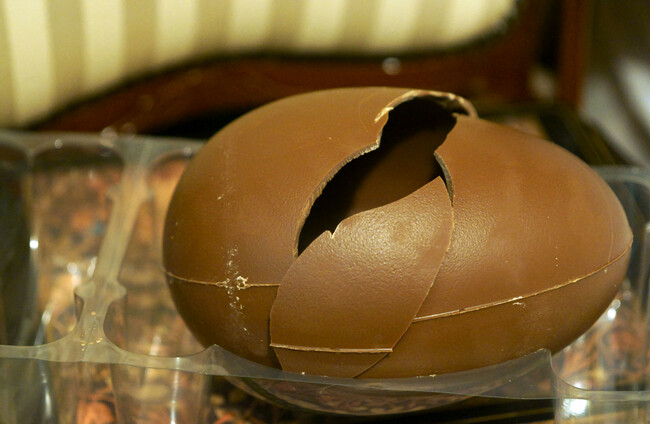
"Big multinationals will always figure out a way to protect their margins," one artisan chocolatier said. Alamy Stock Photo

'It's like cooking chocolate': Why Big Chocolate is changing the taste of our favourite bars

People are saying the taste of well known chocolate brands in Ireland has changed.

THERE HAS BEEN rampant speculation on social media that the chocolate brands we know and love don’t taste as rich and creamy as usual. 

The taste of chocolate is never as important as at Easter time when people are shelling out high prices for their egg-shaped chocolate fix. But last Easter some shoppers were left disappointed with their purchases.

“Anyone else think Cadbury’s chocolate tastes different lately? Not sure if it’s just the easter eggs but hope they didn’t change the formula. Tastes not as nice,” one Reddit user said.

Several others chimed in to agree, adding that they believe worse quality ingredients and the increased use of palm oil is causing the downward taste trajectory. While others said that as well as the change in taste, chocolate bars have also become a victim to ‘shrinkflation’ by decreasing in size.

Some even speculated that chocolate sold by mainstream brands in Ireland now tastes more like American chocolate – which has a reputation of tasting bland.

Cadbury was bought by American multinational confectionery company Mondelez back in 2010, with the company telling The Journal that it “had not made any changes to the cocoa, dairy or vegetable fat content of our Cadbury Dairy Milk products.” 

It’s a fact that the cost of cocoa is rising – but despite this, the global chocolate market is experiencing steady growth, it was valued at over €98.5bn last year and is expected to grow by 5% to €139.8bn by 2031.

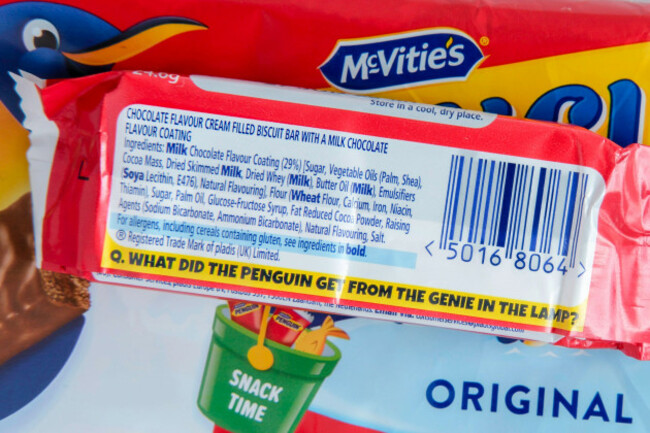
The cocoa crisis has caused some of the most iconic chocolate bars to undergo recipe changes so significant they can no longer legally be called ‘chocolate’, including Penguin bars, Blue Riband and Club bars.

mcvities-penguin-bars-are-no-longer-classed-as-chocolate-but-as-having-a-chocolate-flavour-coating-due-to-the-reduction-in-the-amount-of-cocoa-used McVitie's Penguin bars are no longer classed as chocolate but as having a chocolate flavour coating due to the reduction in the amount of cocoa used. Alamy Stock Photo Alamy Stock Photo

Meanwhile, there has been growing consumer awareness about the quality of ingredients for health and environmental concerns, and the use of palm oil in particular has come under fire due to its environmental impacts.

Premium chocolate producers are less likely to use ingredients like palm oil, but it is common in mass-produced chocolates, including products made by Mars, Nestle, and Mondelez.

Despite the alleged decrease in taste quality, it seems the price is staying the same or increasing.

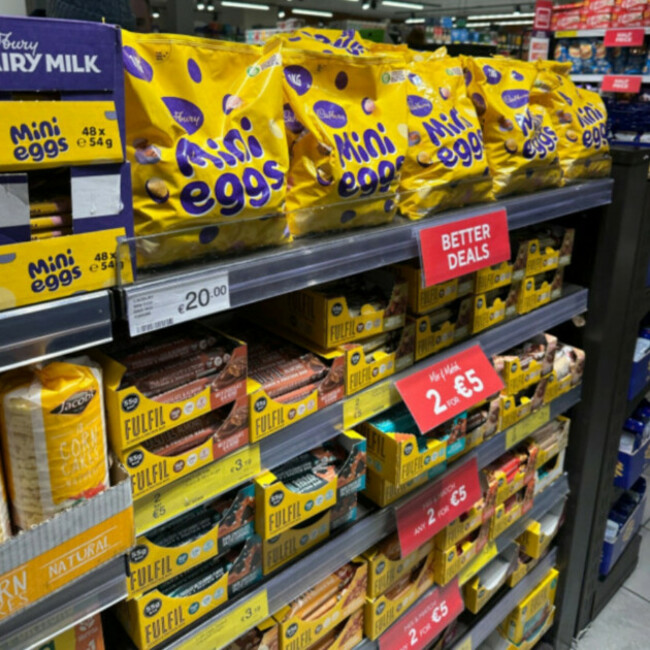
Figures published by the Central Statistics Office in December showed chocolate prices grew by 11.5% in less than two years. While The Journal previously reported that the cost of a 256g bag of Mini Eggs reached a tenner in a number of Irish stores earlier this year.

Meanwhile, a new shrinkflation tracker set up in Ireland found that a four-pack of Cadbury Wispa chocolate bars is now 14.6% smaller and a 110g bar of Cadbury Dairy Milk chocolate is 13.6% smaller.

square-image (5) The cost of a 256g bag of Mini Eggs reached a tenner in a number of Irish stores earlier this year, while a 1kg bag of Mini Eggs was selling for €20 in Dunnes in January. The Journal The Journal

We spoke to Irish chocolatier Daniel Linehan, co-founder of Bon Chocolatiers in Co Offaly, about what is causing the taste crisis in chocolate, and how to get your money’s worth this Easter.

He said the change in the taste of products from mainstream chocolate brands is a “huge problem at the moment”.

Linehan said that for the past 18 months the chocolate industry has faced rising cocoa costs for a variety of reasons, including reduced crop yield in Ghana and the Ivory Coast and the cost-of-living crisis leading to increasing transportation and packaging prices.

“It’s an unfortunate perfect storm,” he said, adding that the price of cocoa reached an all-time high in 2024.

Linehan said that Bon Chocolatiers didn’t reduce the quality of its product when faced with these issues, and is instead saving money by buying direct from source and negotiating contracts. But he claims big chocolate companies are not following the same playbook.

He said some large chocolate brands are reducing the quality of their ingredients or changing recipes to save production costs and continue passing a product on to customers.

“Big multinationals will always figure out a way to protect their margins,” he said.

He said the two most common ways large chocolate companies do this are by reducing the amount of cocoa in their product, in some cases below the legal amount for chocolate, which is why bars like Toffee Crisp can no longer be called chocolate.

The other way companies are saving money is by replacing cocoa butter with vegetable fats like palm oil or shea butter. 

Linehan said this swap-out is what causes chocolate to taste waxy rather than creamy, adding that it also changes the texture, melting point and mouthfeel of bars.

“They’re trying to keep the product the same but it is considerably more waxy, it feels more like cooking chocolate,” he said.

To make sure you don’t end up with a waxy egg this Easter, Linehan said you might have to check the fine print of chocolate products from big brands.

The chocolatier recommends checking the back of a product to make sure it is described as chocolate, rather than ‘chocolate flavour’.

He also advised customers to check if the ingredient lists contain palm oil or shea butter.

He said that due to “smart marketing” it isn’t always easy to tell, for example Cadbury Dairy Milk’s bar contains palm oil but it is listed as ‘vegetable fats (palm, shea)’.

When these claims were put to Cadburys parent company Mondelez, they said: “We have not made any changes to the cocoa, dairy or vegetable fat content of our Cadbury Dairy Milk products.”

“We have been using vegetable fats, including palm oil, in our products since the 1950s. In accordance with current EU regulation on food labelling, we specify the specific vegetable oils that are used in the composition of our products which is why you will now find this information on pack.”

A spokesperson for Mondelez International said that due to increased supply chain costs they have made “considered decisions to the weight or price of some Cadbury products, so that we can continue to provide consumers with the brands they love, without compromising on the great taste and quality they expect”.

“We understand the economic pressures that consumers continue to face and raising prices is a last resort for our business.”

Readers like you are keeping these stories free for everyone...
A mix of advertising and supporting contributions helps keep paywalls away from valuable information like this article. Over 5,000 readers like you have already stepped up and support us with a monthly payment or a once-off donation.

View 39 comments
Close
39 Comments
This is YOUR comments community. Stay civil, stay constructive, stay on topic. Please familiarise yourself with our comments policy here before taking part.
Leave a Comment
    Submit a report
    Please help us understand how this comment violates our community guidelines.
    Thank you for the feedback
    Your feedback has been sent to our team for review.

    Leave a commentcancel

     
    JournalTv
    News in 60 seconds