We need your help now

Support from readers like you keeps The Journal open.

You are visiting us because we have something you value. Independent, unbiased news that tells the truth. Advertising revenue goes some way to support our mission, but this year it has not been enough.

If you've seen value in our reporting, please contribute what you can, so we can continue to produce accurate and meaningful journalism. For everyone who needs it.


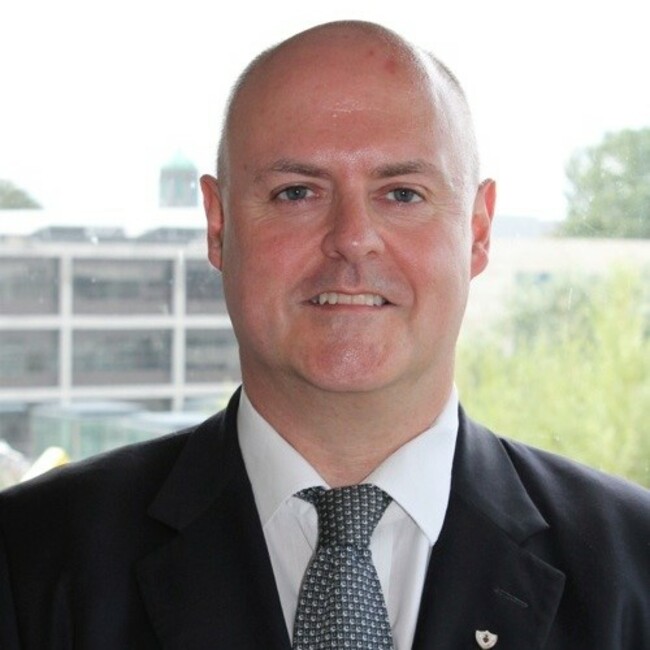
Conor Hanly said that such a move in Ireland would require a constitutional referendum. Alamy Stock Photo

Irish expert: UK-style cut to jury trials wouldn't solve backlog, and would need a referendum

An NUIG law lectuerer said that scrapping jury trials for non-minor cases would require a referendum in Ireland.

THE UK JUSTICE Secretary has plans to cut jury trials for all cases where the crime involved would carry a likely sentence of under three years in an effort to cut the huge backlog of cases waiting to be heard in court.

The plans have been met with widespread opposition in the United Kingdom from opposition figures, ex-Labour politicians, and crucially, the UK Law Society, but an Irish legal expert says that doesn’t mean we might not see attempts to bring in similar reforms here.

NUIG Law Lecturer Conor Hanly says that the Irish Courts Service has faced much worse delays and case backlogs than the UK system, and that there is by far less data available and research undertaken to examine why that is.

There would be a small hitch to any hypothetical plans to give juries the chop here though – it would require a constitutional referendum.

conor

“We have a constitution in which jury trial is mandated, it’s part of the constitutional structure in England, but they don’t have a written constitution, so it can be changed by statute.

“Here, if you are going beyond offences that carry sentences for up to 12 months – which are minor offences – you’re getting into scary constitutional territory,” Hanly says.

He is an expert in juries specifically, and believes that they stand to benefit the legal system rather than hinder it.

Hanly takes a dim view of UK Justice Secretary David Lammy’s plans, and even questions whether they will get through the House of Lords.

He says that there is nothing new about moves to restrict jury trial as a means of making the courts more efficient, but in this case Lammy is “pointing the finger at the jury” incorrectly.

“Judge Brian Levenson did an efficiency review of the criminal courts and some of these Lammy proposals are at least partly based on that report. He recommended that, for example, complex fraud cases should not be heard by juries, and recommended that defendants should be allowed to elect for bench trials [trials heard solely by a judge],” Hanly explained.

In his view Lammy has gone much further than those proposals and wants to “effectively abolish jury trial” for cases except for the likes of murder, manslaughter, rape, aggravated sexual assault, and serious robbery.

Hanly says that this will interfere with the public’s ability to engage with the justice system, and will not actually reduce backlogs by any significant margin.

“Maybe getting rid of a jury shaves a day, a day and a half off the average trial. But justice is a process that should take time and should be deliberative.

“I don’t think the backlog, which is actually much worse in Ireland, developed because of juries, it developed because of under-investment in the trial process, in courts themselves, and in courtroom staff. It’s happened because there aren’t enough judges appointed, and we don’t necessarily make the best use of them,” he said.

Hanly argues that jury’s allow people from all walks of life to balance their views and reach a collective verdict, which is healthy for our justice system.

“The jury is one of the cornerstones of our criminal justice system.. It has become part of the fabric of society, so any attempt to remove that, especially in such a blatant and sweeping way, is going to get a reaction from people,” he said.

Hanly has doubts about the reforms getting through in England (he points out that while Labour have a majority that should ensure they are able to push through legislative changes, they’ve failed with other policies), and he thinks it’s unlikely a similar policy would get a positive reception in Ireland.

“Jim O’Callaghan is a Barrister himself, I have no idea where he’d stand on this. But we are operating under the same pressures here as they are in England, and we have more experience with bench trials because of the Special Criminal Court,” he said.

O’Callaghan has chiefly put forward proposals around increasing judicial capacity, fast-tracking specific types of cases, and digital reforms as a means of tackling the backlog of cases in the Irish courts system.

This year juries were abolished from High Court defamation cases.

It’s worth noting that while O’Callaghan voted in favour, in his time as a backbencher he was opposed, as he took the view that removing juries would lead to a possible increase in appeals.

Otherwise, he’s never advocated for cutting back on jury trials.

Readers like you are keeping these stories free for everyone...
A mix of advertising and supporting contributions helps keep paywalls away from valuable information like this article. Over 5,000 readers like you have already stepped up and support us with a monthly payment or a once-off donation.

Close
JournalTv
News in 60 seconds