We need your help now

Support from readers like you keeps The Journal open.

You are visiting us because we have something you value. Independent, unbiased news that tells the truth. Advertising revenue goes some way to support our mission, but this year it has not been enough.

If you've seen value in our reporting, please contribute what you can, so we can continue to produce accurate and meaningful journalism. For everyone who needs it.

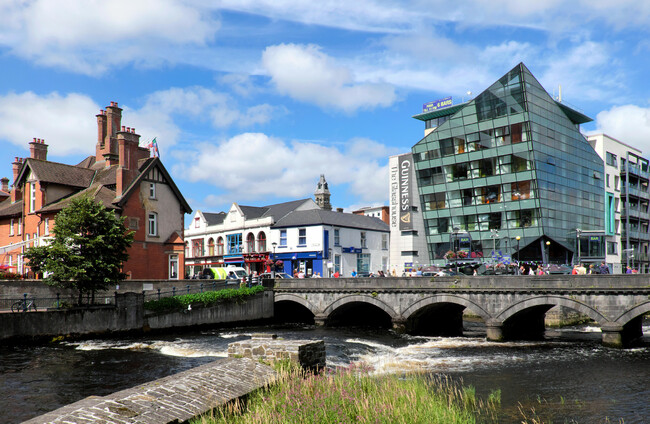
File photo of Sligo town. Alamy Stock Photo

Sligo replaces Naas as Ireland's cleanest town in litter rankings

Leixlip, Westport, Monaghan, and Tullamore claimed next highest spots on the list.

SLIGO HAS KNOCKED Naas from the top spot on the Irish Business Against Litter’s (IBAL) latest anti-litter rankings, claiming the title of cleanest town.

The IBAL’s rankings of 40 towns and cities has put Sligo as the cleanest town for the first time, while last year’s cleanest town, Naas, has fallen to thirteenth.

Leixlip, Westport, Monaghan, and Tullamore followed Sligo in the top five cleanest towns on the list.

IBAL spokesperson Conor Horgan said that Sligo has come a long way since 2007, when it was at the bottom of the rankings and labelled a litter blackspot.

Of the 40 towns and cities that were evaluated for the IBAL by An Taisce, nearly three-quarters were considered to be as clean or cleaner than European norms.

However, nine were seen as moderately littered: Drogheda, Navan, Dublin city centre, Athlone, Limerick city centre, Dundalk, Carlow and Clonmel.

A further four areas were classified as littered: Cork northside, Ballymun, Galway inner city (Ballybane) and Dublin north inner city.

Overall, the surveys found that litter levels decreased in 2025, even in towns at the bottom of the rankings.

“Even areas at the foot of our rankings have significantly lower litter levels than a year ago. Cork’s Northside, Dublin City Centre and North Inner City, while still littered, are cases in point,” said Horgan.

He also noted that there has been a fall-off in the number of sites with large accumulations of litter or subject to dumping and that this was the first IBAL survey where no bottle bank was deemed a litter blackspot.

The prevalence of cans and plastic bottles dropped 10% compared with the previous year and was 60% lower than before the introduction of the Deposit Return Scheme.

Coffee cups

Coffee cups were one of the most common forms of litter, found in one in five of all sites surveyed.

Horgan called on the government to intervene by supporting reusable cup schemes.

“It is apparent that such schemes will only work with statutory backing. As our data today bears out, without government intervention, coffee cups will remain an unsightly and entirely unnecessary blot on the landscape across our towns,” he said.

“The prevarication from Government on the issue is striking – a levy was promised all of four years ago – and sends out a worrying signal. Weaning ourselves off single-use coffee cups should not be such a big deal.”

Readers like you are keeping these stories free for everyone...
A mix of advertising and supporting contributions helps keep paywalls away from valuable information like this article. Over 5,000 readers like you have already stepped up and support us with a monthly payment or a once-off donation.

Close
12 Comments
This is YOUR comments community. Stay civil, stay constructive, stay on topic. Please familiarise yourself with our comments policy here before taking part.
Leave a Comment
    Submit a report
    Please help us understand how this comment violates our community guidelines.
    Thank you for the feedback
    Your feedback has been sent to our team for review.

    Leave a commentcancel

     
    JournalTv
    News in 60 seconds