Sign in. It’s quick, free and it’s up to you.
An account is an optional way to support the work we do. Find out more.
Sign in. It’s quick, free and it’s up to you.
An account is an optional way to support the work we do. Find out more.
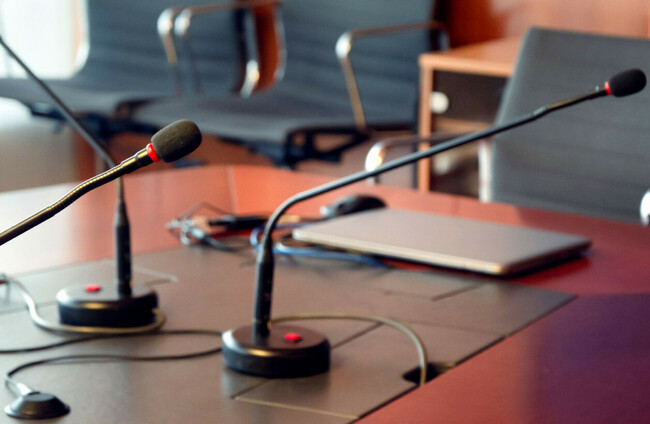
THE UMBRELLA GROUP for Ireland’s regional newspapers has criticised the continuing confusion concerning how journalists can cover local community safety meetings.
Executive director of Local Ireland Bob Hughes told The Journal that newsrooms are facing barriers to report on Local Community Safety Partnerships (LCSP).
Hughes, whose group represents 37 local newspapers across the country, said this “flies in the face” of the government providing financial supports for media to cover local council meetings and similar issues.
The LCSPs have replaced the old Joint Policing Committees, but the meetings are being held behind closed doors in many areas of the country.
Journalists were able to cover the now defunct Joint Policing Committees, which the LCSPs have replaced. The committees have a wide community representation, convening with senior gardaí, councillors and state agencies.
But the dispute has arisen again after Justice Minister Jim O’Callaghan told a local newspaper this week that there is “no prohibition” on media attending LCSP meetings.
In remarks made to the Kilkenny People, O’Callaghan said that each LCSP needs to decide among its members if they want media covering its meetings.
“The media are entitled to gain access and there is no prohibition on it,” said O’Callaghan, who added that it is a matter for each LCSP.
“I have issued no direction that the media are not permitted in, but I can understand if, for the first couple of meetings, that the Local Community Safety Partnerships want to bed down and make people feel comfortable.”
When asked about the minister’s comments, Hughes said mixed messages are being sent by many councils on access to the meetings.
“Some councils are issuing their own press releases about these meetings while at the same time denying access to independent media organisations,” Hughes said.
“This á la carte approach to media access flies in the face of Government supports for local democracy reporting.”
The decision to meet in closed session is in line with a recommendation to councils from the Department of Justice, which formed the new LCSPs.
The department told LCSPs that excluding media from the majority of their meetings would “allow for relationships and trust to develop” at a time when the newly established groups are developing their work plans.
Previously, several LCSPs told The Journal that they are not allowing the media to cover their proceedings, except for one meeting that is required to be held in public each year.
The ban has been criticised by the National Union of Journalists, Sinn Féin, and even the Waterford LCSP, which recently explained that it wanted its meetings to be conducted transparently.
Hughes said that the meetings are of “legitimate public interest”, a stance he said has been supported by comments by the likes of the Waterford group.
The Journal’s reporting of the new Local Community Safety Partnerships is supported by the Local Democracy Reporting Scheme.

To embed this post, copy the code below on your site










have your say