Sign in. It’s quick, free and it’s up to you.
An account is an optional way to support the work we do. Find out more.
Sign in. It’s quick, free and it’s up to you.
An account is an optional way to support the work we do. Find out more.
EVERY WEEK, WE bring you a round-up of the best longreads of the past seven days in Sitdown Sunday.
And now, every weeknight, we bring you an evening longread to enjoy which will help you to escape the news cycle.
We’ll be keeping an eye on new longreads and digging back into the archives for some classics.
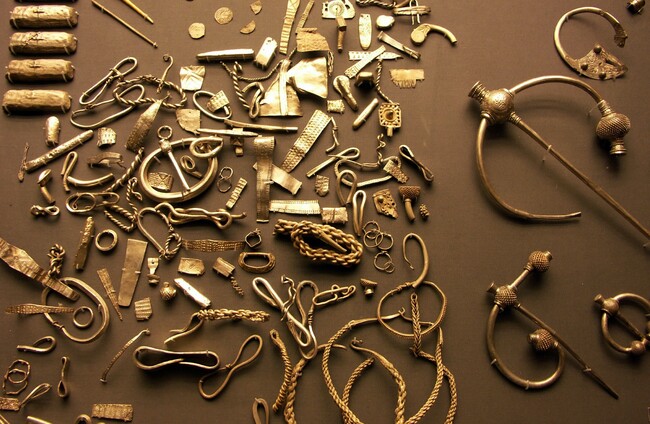
Two metal-detector hobbyists discover a Viking hoard in the West Midlands. But their discovery has ramifications they didn’t expect.
(The New Yorker, approx 30 mins reading time)
In the summer of 2015, he was approached by a contact in the coin trade. As Williams told me recently, the contact informed him that several pieces of what appeared to be a Viking hoard were being offered to dealers. Some of the coins were Two Emperors, a type so rare that numismatists knew of only two extant examples: one was discovered in 1840, the other in 1950. A Two Emperor coin had never appeared on the open market, and a single one was valued at a hundred thousand dollars. A hoard with a substantial number of rare coins could be worth more than ten million dollars. The fact that individual coins were being offered to dealers suggested that the hoard was in danger of being broken up and vanishing onto the black market.

To embed this post, copy the code below on your site
















have your say