Sign in. It’s quick, free and it’s up to you.
An account is an optional way to support the work we do. Find out more.
Sign in. It’s quick, free and it’s up to you.
An account is an optional way to support the work we do. Find out more.
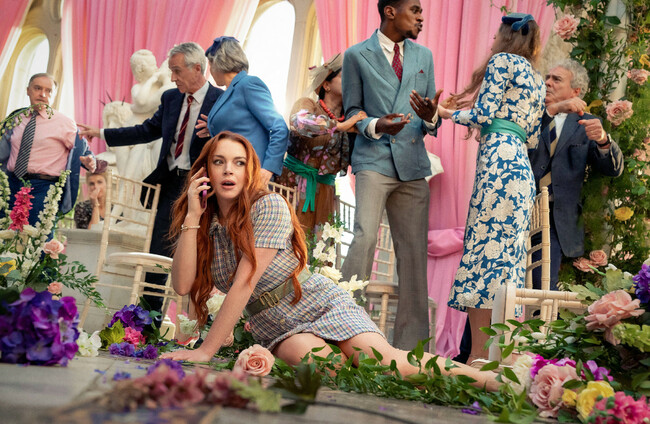

LAST WEEK, NETFLIX announced a licensing agreement with a host of media companies.
From early August, the streaming giant will carry a selection of video content from the likes of Vogue, Rolling Stone, Cosmopolitan, BuzzFeed and Tastemade.
At first glance it seems like a win-win: more snackable content for Netflix, more eyeballs for the other publishers. But it’s also a sign that the walls separating newspapers, broadcasters, streaming services, gaming, podcast platforms and social media are beginning to collapse.
It’s everything. Everywhere. All at once.
For decades media was categorised according to how it was delivered. Newspapers belonged on, well, paper. Television belonged on boxes in our sitting rooms. Radio came out of devices in our kitchens and cars. Magazines were found on coffee tables.
But things are different with modern media platforms. And therefore, modern media economics.
Netflix isn’t a television company. Not only has it done deals with publishers, it has also invested in live sports, and mobile gaming to grow and retain subscribers.
Similarly, Spotify has diversified from music. It has spent hundreds of millions acquiring podcast companies and signing talent exclusively. Now it is investing in audiobooks and video podcasts.
Amazon doesn’t just sell books. It also produces films, owns a major live-streaming platform, broadcasts sport and operates one of the world’s largest audiobook businesses.
Apple doesn’t just make phones and computers, it distributes music, produces television, publishes news and offers games. YouTube long ago evolved from a simple video-sharing website to become all of TV for the younger generations.
The result is that every major platform is converging. They all want to capture subscribers and increase annual revenue per user. And they all see their total addressable market in global terms.
All these media platforms are therefore becoming houses of brands.
Netflix is home to Stranger Things, Squid Games, Wednesday and currently, The Rest is Football.
Prime has the Lord of the Rings TV shows, James Bond, the Boys and some Champions League matches.
Spotify has Joe Rogan and Alex Cooper’s Call her Daddy.
What we’re seeing is that the platforms with the most compelling personalities and the most attractive intellectual property will thrive. This is nothing new.
Hollywood figured this out in its Golden Age when the studios signed actors to exclusive contracts and exercised absolute control through vertical integration. They owned production, distribution, and exhibition until the 1948 Paramount Decree.
Star power has always been an asset worth controlling.
Today’s global platforms are trying the same game with today’s creators.
Mr Beast, Joe Rogan, Alex Cooper or Steven Bartlett are not simply individuals. They are intellectual property with audiences attached. And they can cost a pretty penny: Amazon reportedly paid Mr Beast $100 million (€87.45 million) for the first season of his reality show, Beast Games.
Crucially, they have more agency than 1920s Hollywood stars. They are mobile, and if they leave one platform, they’ll take their fan base with them.
But this war to attract, distribute and monetise talent on a global scale only applies to the global players. Alongside the tech platforms, smaller scale local publishers and public service broadcasters must also compete. Without stable funding, this competition is becoming increasingly difficult. This week, while Netflix is performing an intellectual property land grab, back home RTÉ is proposing to sell off its actual land to make ends meet.
This proposal makes perfect sense. But selling parts of Montrose is not recurring revenue. It can only be done once. The same goes for the redundancies that RTÉ told the Public Accounts Committee about earlier this week. Director General Kevin Bakhurst revealed the organisation needs direct state funding of €55 million this year to top up falling licence revenue and meet its total funding needs of €240 million.
It’s only right that Bakhurst appears before this committee. But all too often his appearances end up with discussions on taxis and individual presenters pay, rather than long-term, sustainable funding. Sure, there’s reputational damage that needs to be repaired. But at some point we need to realise that making Bakhurst do ongoing walks of shame in Leinster House only does more reputational damage. RTÉ needs funding, not servings of humble pie.
Without funding for RTÉ – and other public service media – Irish publishers and broadcasters will continue to lose market share to the likes of YouTube, Netflix and Amazon Prime. TV licence sales will continue to decline, as will domestic advertising revenue, and we could become a net exporter of creative talent.
And let’s not pretend we haven’t been warned. 2022’s Future of Media Commission report was pretty prescient.
“The survival of today’s media organisations, and the emergence of new ones, hinges on their capacity to innovate, adapt to the competitive landscape, and meet the changing needs of audiences,” it said.
“Government, regulators and media organisations need to develop a more strategic, collaborative response to investment, digital transformation, business model evolution, skills development and diversity within the workforce and output.”
It also pointed out an uneven regulatory environment that favours big tech platforms and that public goodwill can no longer be taken for granted. It’s worth reminding ourselves that the report also recommended a change from the current TV Licence system to a system based entirely on exchequer funding which successive governments have baulked at.
Aside from funding, we need to ensure that Ireland has a strategy for creating and retaining talent and intellectual property.
In the future, the organisations with the greatest influence may be the ones that foster the strongest relationships with the creators everyone else wants to license. We pride ourselves as a country of storytellers.
But we don’t do a great job of supporting our storytellers, creatives and the native institutions in which they can thrive.
If we don’t grasp this nettle we will cede all social and cultural power to the big tech platforms.
There would be a handful of success stories – we’ve always created strong cultural exports – but overall, we would become less culturally sovereign.
It’d be Netflix’s world, we’d just live in it.
Steve Dempsey is a media and technology expert and commentator.
To embed this post, copy the code below on your site













have your say