We need your help now

Support from readers like you keeps The Journal open.

You are visiting us because we have something you value. Independent, unbiased news that tells the truth. Advertising revenue goes some way to support our mission, but this year it has not been enough.

If you've seen value in our reporting, please contribute what you can, so we can continue to produce accurate and meaningful journalism. For everyone who needs it.

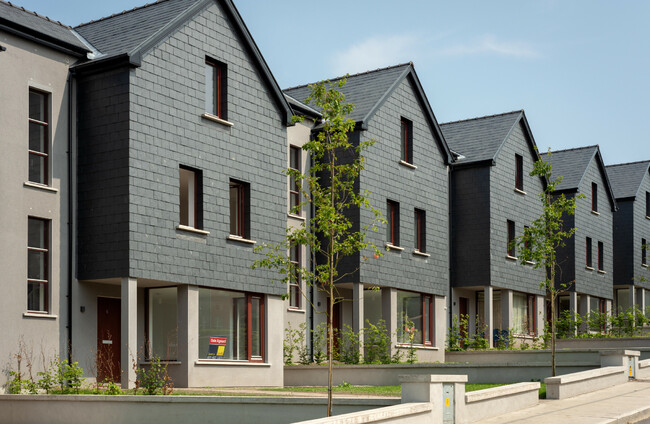
A raft of new rental regulations will kick in on Sunday. Alamy Stock Photo

Landlords can soon increase rents for new tenancies to 'market rent' - how is market rent set?

The new rental laws come into effect on 1 March.

AMONG A RAFT of new rental regulations that will click into place for new tenancies on Sunday is the ability of landlords to set the rent for their property at “market rent”.

Previously, the annual increase of rent for a property was capped at 2% or the rate of inflation, whichever was lower. Now, rents can be set between tenancies or after a six-year period at “market rate”, but not increase annually.

It is important to note that this does not apply to existing tenancies and will not impact you as a tenant if you do not change dwellings, even if your lease agreement ends and is renewed.

So, what is “market rent”? And how is it measured?

The Residential Tenancies Board (RTB) has developed a new Rent Register on its website. This will be available for use and viewing by the public from 1 March.

The Journal had the chance to view the register in action this morning at the RTB offices.

‘Market rent’

When a landlord wishes to reset the rent for their property, either for a new tenancy beginning from 1 March onwards, or after a tenant has completed a six-year tenancy cycle, they must enter the details of their property into the rent register.

The details include the type of dwelling, the floor space in square metres, the Eircode, the number of bedrooms and the property’s BER rating; this will then offer up ten properties that match the criteria and the rate of rent for each.

From here, the landlord chooses three of the properties and submits these as evidence to support their argument that the rent they are setting for the property is “market rent” and not above that.

The rate of rent for the “comparable” properties is not always within the same area. 

In one example shown to journalists today, a property and its characteristics entered into the register returned ten properties with a variation of over €600 between the highest and lowest “market rent”.

The Rent Register will be updated automatically and on a daily basis to ensure “market rent” remains up to date. 

If you begin a new tenancy from Sunday, your rent will not increase for six years unless you leave the property, either involuntarily or of your own volition. 

If you stay for over six years in this tenancy, then your rent could be significantly increased after that period depending on the state of the market – but the RTB’s director Rosemary Steen stressed that the new regulations are designed to protect renters.

I’m a landlord – what’s changing for me?

One of the main elements of the legislation is that it distinguishes between small landlords and large landlords. A small landlord is someone who has three tenancies or fewer, while a large landlord is someone with four or more.

Previously, all landlords were lumped into one category, whether they were an “accidental landlord”, someone who inherited an additional property they ended up renting out, or a private landlord like Ires Reit, which owns and rents out over 3,600 units across Ireland and has a portfolio valued at €1.24bn.

For larger landlords, it is now only possible to end a tenancy if a tenant breaches their obligations or the property is no longer suited to the tenant’s needs. They cannot end a tenancy to sell the property. The property can only be sold at the end of a six-year tenancy cycle.

For smaller landlords, they can end a tenancy during the six years under very stringent financial and familial conditions: if they come under serious financial hardship and need to sell the property to either provide a home that will be their principal residence, to repay a legally owed debt in full, or following the appointment of a personal insolvency practitioner due to bankruptcy.

If you are a tenant or a landlord and are even slightly unsure of the new rules and regulations, the RTB has urged that you read up on the reforms here.

Again, if you have an existing tenancy agreement you will not be impacted by the changes unless you leave the property and take up a new tenancy agreement elsewhere.

Landlords can continue to raise the rent at the rate of inflation or 2% – whichever is lower – on tenancies predating 1 March. 

Exceptions

Because this isn’t complicated enough, there are a few exceptions that aren’t covered by the new laws. 

These are regarding new apartments and student-specific accommodation (SSA).

New apartments are those on which construction began from 10 June 2025. These properties will be able to see rents increase at the rate of inflation and will not be capped at 2%.

For SSA, rent can be reset to market rent once every three years from 1 March 2029, rather than every six years like private tenancies.

Approved housing body and cost rental tenancies will not have the national rent control rules apply.

Readers like you are keeping these stories free for everyone...
A mix of advertising and supporting contributions helps keep paywalls away from valuable information like this article. Over 5,000 readers like you have already stepped up and support us with a monthly payment or a once-off donation.

Close
9 Comments
This is YOUR comments community. Stay civil, stay constructive, stay on topic. Please familiarise yourself with our comments policy here before taking part.
Leave a Comment
    Submit a report
    Please help us understand how this comment violates our community guidelines.
    Thank you for the feedback
    Your feedback has been sent to our team for review.

    Leave a commentcancel

     
    JournalTv
    News in 60 seconds