We need your help now

Support from readers like you keeps The Journal open.

You are visiting us because we have something you value. Independent, unbiased news that tells the truth. Advertising revenue goes some way to support our mission, but this year it has not been enough.

If you've seen value in our reporting, please contribute what you can, so we can continue to produce accurate and meaningful journalism. For everyone who needs it.

The EPA said it will not lift the suspension on the plant until it show Sasko Lazarov

Cork dairy plant to cease production after latest EPA suspension over water pollution concerns

The plant told staff and suppliers about the move this week.

LAST UPDATE | 5 Mar

A MAJOR DAIRY plant in Co Cork is ceasing operations and entering talks about the future of jobs for around 100 staff.

North Cork Co-Operative Creameries in Kanturk – whose operations came under the spotlight last year after a major fish kill in the county, for which it was eventually cleared – will no longer be processing milk.

It follows the environmental regulator reimposing a suspension order against discharge of effluent by the creamery.

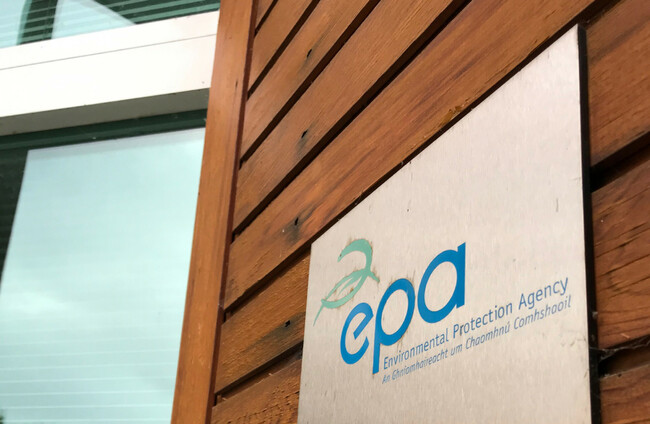
The Environmental Protection Agency (EPA) said North Cork Co-Operative Creameries in Kanturk would not be permitted to resume the production until it could “reliably maintain steady state compliance” with the requirements of its license.

It’s understood that the creamery would have to pay a seven-figure sum to pay for a wastewater system fit to meet the need of its license.

A spokesperson for the creamery declined to comment when contacted.

In a statement last November, the creamery said it was co-operating fully with the EPA was “investing substantially” in its facilities to resolve the issues.

It’s understood the creamery is liaising with staff and suppliers over the coming days.

As the dairy sector is entering its peak milk production season, the creamery is liaising with other companies to ensure all milk is collected, paid and processed.

Last November’s suspension

The most recent suspension – issued 19 February – resumed a prior notice from the EPA last November, when the plant had to stop production after its main wastewater discharge pipe was found to have released effluent containing high levels of ammonia into the river Allow, which flows through counties Limerick and Cork.

“The discharge will not be permitted to resume until the EPA receives demonstration and confirmation that the licensee can reliably maintain steady state compliance on an ongoing basis,” a spokesperson for the EPA told The Journal today.

In January, North Cork Creameries submitted information to “show that they had maintained compliance for a set period”, and the EPA lifted the suspension on 7 January, the watchdog’s spokesperson said.

However, over the six weeks following the notice being lifted, the plant allegedly “failed to maintain adequate control of the plant leading to ongoing non-compliances” with its emissions.

“These discharges threaten to cause an immediate adverse effect on the environment, in particular the ecological and chemical water quality of the River Allow,” the EPA added.

The plant came under the spotlight last year following a mass fish kill in the region, but it was cleared of any involvement.

Analyses by State agencies of deceased brown trout from the river found no evidence of disease, chemicals, pesticides or heavy metals.

The main conclusion from a major report into the incident was that a waterborne irritant likely entered the River Blackwater at an upstream point some 72 hours before the first mortalities were observed.

The report estimated that the irritant dissipated quickly, explaining why it was not detectable in water samples and fish tissue samples.

Readers like you are keeping these stories free for everyone...
A mix of advertising and supporting contributions helps keep paywalls away from valuable information like this article. Over 5,000 readers like you have already stepped up and support us with a monthly payment or a once-off donation.

Close
JournalTv
News in 60 seconds