Take part in our latest brand partnership survey

We need your help now

Support from readers like you keeps The Journal open.

You are visiting us because we have something you value. Independent, unbiased news that tells the truth. Advertising revenue goes some way to support our mission, but this year it has not been enough.

If you've seen value in our reporting, please contribute what you can, so we can continue to produce accurate and meaningful journalism. For everyone who needs it.

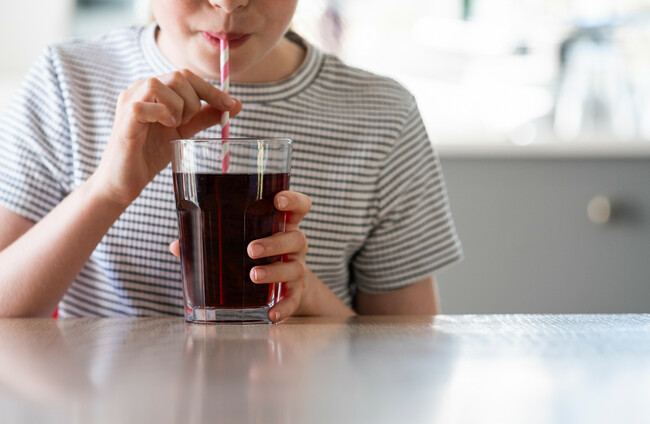
The report found that the 188 million school-aged children and adolescents classed as being obese are being failed by their food environments. Alamy Stock Photo

One in five children in Ireland is overweight or obese, double the worldwide rate

Aside from sub-Saharan Africa and South Asia, obesity now exceeds underweight in all regions of the world.

FOR THE FIRST time, obesity has surpassed underweight as the more prevalent form of malnutrition in children.

In a new report released today, UNICEF stated that one in 10 children worldwide are living with obesity. In Ireland, one in five children are overweight or obese, according to data from the Childhood Obesity Surveillance Initiative. This rises to one in four when examining DEIS schools.

Aside from sub-Saharan Africa and South Asia, obesity now exceeds underweight in all regions of the world.

Children are considered overweight when they are significantly heavier than what is healthy for their age, sex and height.

Obesity is a severe form of overweight and leads to a higher risk of developing insulin resistance and high blood pressure, as well as life-threatening diseases later in life, including type-2 diabetes, cardiovascular disease, and certain cancers.

The report found that the 188 million school-aged children and adolescents classed as being obese are being failed by their food environments, where ultra-processed foods and foods high in sugar are more readily available than nutritional foods.

Children disadvantaged socio-economically are also more likely to be exposed to unhealthy food environments. 

Head of Advocacy at UNICEF Ireland, Aibhlín O’Leary, said: “This reflects a growing global inequality — and Ireland is not immune.

“Children in low-income families and communities are the most exposed to unhealthy food environments and the most at risk of long-term health consequences. This isn’t a matter of personal responsibility — it’s a systemic failure.

“We need stronger policies to support families and ensure that every child, regardless of family income, has access to real, nutritious food.”

Underweight remains a significant concern for children under the age of five in low and middle-income countries. 

The report, which is titled ‘Feeding Profit: How Food Environments are Failing Children’,  draws on data from over 190 countries. It found the prevalence of underweight among children aged 5-19 has declined since 2000, from nearly 13% to 9.2%. Obesity rates have increased from 3% to 9.4%.

UNICEF Executive Director Catherine Russell stressed that nutrition plays a critical role in not only a child’s growth, but their cognitive development and mental health.

Advertising for unhealthy and ultra-processed foods was highlighted in the report as one of many factors driving the increase in children suffering from obesity. UNICEF Ireland welcomed that Coimisiún na Meán has included unhealthy food marketing in its work plan.

In light of its report’s findings, UNICEF called for governments across the world to implement a number of measures to combat the growing obesity amongst children.

Amongst the measures were calls to ban the provision or sale of ultra-processed and junk foods in schools and strengthen social protection programmes to address income poverty and improve financial access to nutritious diets for vulnerable families. 

Readers like you are keeping these stories free for everyone...
A mix of advertising and supporting contributions helps keep paywalls away from valuable information like this article. Over 5,000 readers like you have already stepped up and support us with a monthly payment or a once-off donation.

View 32 comments
Close
32 Comments
This is YOUR comments community. Stay civil, stay constructive, stay on topic. Please familiarise yourself with our comments policy here before taking part.
Leave a Comment
    Submit a report
    Please help us understand how this comment violates our community guidelines.
    Thank you for the feedback
    Your feedback has been sent to our team for review.

    Leave a commentcancel

     
    JournalTv
    News in 60 seconds