A PCP can be broken down into three parts:
- The deposit
- The monthly repayments
- The final lump-sum payment which is called the Guaranteed Minimum Future Value (GMFV)
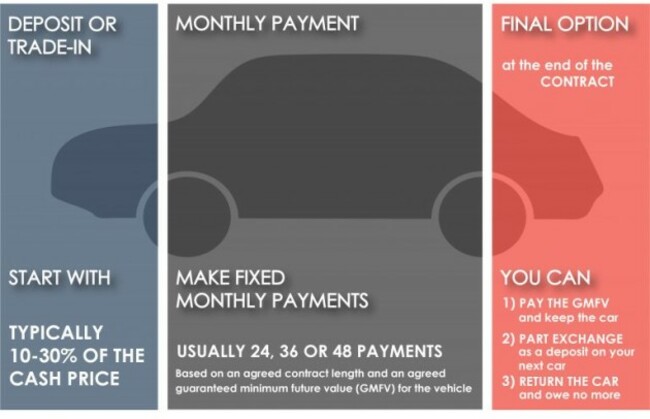
- The deposit: This is typically between 10% and 30% of the value of the car. Your deposit can be paid in cash or, if you already own a car, you can trade it in as your deposit.
- Monthly repayments: PCPs usually last for three years and they generally have low monthly repayments. This can make them seem more affordable compared to other forms of finance. The reason the monthly repayments are low is because you don’t pay for a large portion of the cost of the car until the end of the contract.
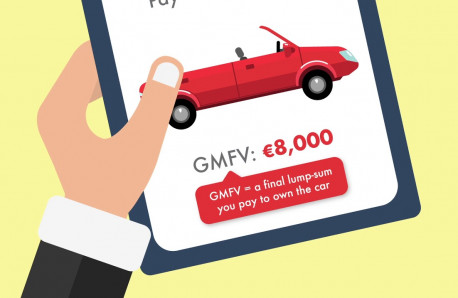
- GMFV (lump-sum payment): This large, final payment is how much it will cost you to own the car at the end of the contract. This figure is set at the beginning of the contract by the lender.
How flexible is a PCP?
These contracts are among the least flexible forms of finance. Because the repayments are fixed for the term of the contract, you usually can’t increase your repayments each month if you want to and if you want to extend the term, you may be charged a rescheduling fee.
PCP or personal loan?
The main difference between a PCP and a personal loan is that with a personal loan you borrow the money, pay for your car, and own it immediately. With a PCP you don’t own the car, you are essentially hiring it for an agreed period of time, typically three years. You only own it if you pay the GMFV. This is important because if you were to run into financial difficulty during the term of your contract you wouldn’t be able to sell your car unless you had permission from the lender – as they are the legal owner of the car.
Will a PCP show up on my credit record?
Currently Hire Purchase contracts and PCPs are not recorded on your Central Credit Register report. However, it’s intended that they will be included in the future. Hire Purchase contracts and PCPs may be recorded on your Irish Credit Bureau score.






have your say