We need your help now

Support from readers like you keeps The Journal open.

You are visiting us because we have something you value. Independent, unbiased news that tells the truth. Advertising revenue goes some way to support our mission, but this year it has not been enough.

If you've seen value in our reporting, please contribute what you can, so we can continue to produce accurate and meaningful journalism. For everyone who needs it.

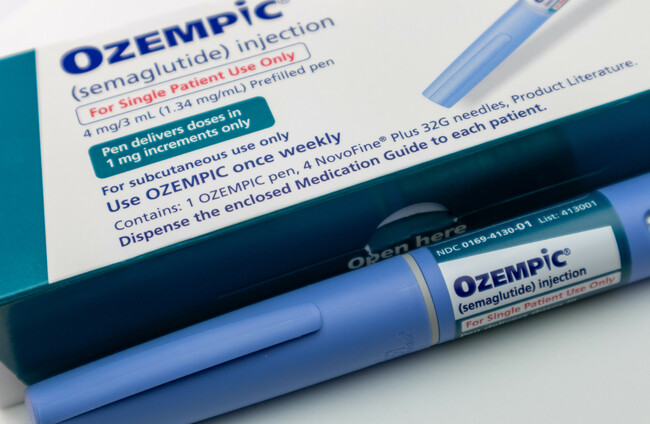
The clinical trials, published in The Lancet, were funded by manufacturer Novo Nordisk. Shutterstock

Drug firm publishes clinical trials tripling Ozempic dose for greater weight loss

The higher dose could be a new option for people who have struggled to lose weight, but more research is needed on long-term effects.

HIGHER DOSES OF semaglutide, the weight-loss drug marketed as Wegovy and Ozempic, can lead to even greater weight loss, clinical trials have found.

Tripling dosage from the currently approved 2.4mg per week to 7.2mg saw nearly half of trial participants lose 20% or more of their body weight, with a third losing at least 25%.

The average weight loss was lower, however, at 19%. This compared with 16% average weight loss on the normal dose and 4% on a placebo. All three groups of participants received dietary counselling and exercise recommendations.

The randomised controlled trials, published today in The Lancet Diabetes & Endocrinology medical journal, were funded by Novo Nordisk, the drug’s manufacturer.

More research is needed to understand the long-term benefits and risks of this higher dose, researchers from institutions in the US, Canada, Denmark, Norway and Portugal said.

The higher dose could offer a promising new option for people with obesity and type 2 diabetes who have been unable to lose enough weight with existing treatments.

Thousands of people in Ireland have been prescribed Ozempic/Wegovy and other similar drugs to treat their diabetes and obesity.

About one in five people in Ireland over the age of 15 has the chronic disease of obesity, according to government surveys.

Side effects

The higher dose was found to be safe and generally tolerable, although side effects such as nausea and diarrhoea and dysaesthesia (or tingling) were more common than on the lower dose. In addition, a handful of participants had to permanently discontinue the 7.2mg dosage as a result of dysaesthesia, which was not the case on the lower dose or placebo.

In participants who had both obesity and type 2 diabetes, weight loss on the higher dose averaged 13%, along with reductions in blood sugar levels and waist size.

Participants in the trial that did not encompass people with type 2 diabetes had an average age of 47 and almost three quarters were women. Their average body mass index was 39.9, putting them in the upper tier of obesity, approaching severe obesity.

News of the trial may provide a business boost to Novo Nordisk, which faces intense competition from Eli Lilly, manufacturer of rival product Mounjaro. The Danish company announced 9,000 job cuts this week, an 11% reduction in the workforce it expanded massively on the back of the popularity of its weight-loss injections.

The firm’s share price has been tanking since last year. Novo Nordisk said this week the job cuts would allow it to simplify the organisation and reallocate resources towards its growth markets of diabetes and obesity.

With reporting from AFP.

Readers like you are keeping these stories free for everyone...
A mix of advertising and supporting contributions helps keep paywalls away from valuable information like this article. Over 5,000 readers like you have already stepped up and support us with a monthly payment or a once-off donation.

Close
JournalTv
News in 60 seconds