Sign in. It’s quick, free and it’s up to you.
An account is an optional way to support the work we do. Find out more.
Sign in. It’s quick, free and it’s up to you.
An account is an optional way to support the work we do. Find out more.
POWER OUTAGES IN Spain and Portugal this week might have you wargaming how best to approach a nationwide blackout.
Spain’s top court is investigating whether or not the incident, which impacted the Iberian peninsula for over 24 hours, was an act of sabotage, a cyber attack or something else.
The possibility of a concerted cyber attack is something that the Irish State recently practiced for. The Journal revealed that a ‘Zero Day’ scenario tested how Ireland would deal with a total loss of internet and communication systems.
To get a better understanding of how the everyday person might approach this event, and how to be best-prepared, The Journal spoke to Caroline McMullan, a Professor at Dublin City University and chair of the emergency management course in the country.
The Masters’-level course, the first of its kind in Ireland, is offered to public service and business professionals to improve their understanding of the theory, concepts and methods of responding to unprecedented events.
McMullan last year published the National Risk Assessment which detailed the potential dangers for Ireland and methods to mitigate them. The threats ranged from resistance to antibiotics and threats to undersea cables.
She went through the must-know basics on how to react to situations without power.
Every great reaction starts with a plan.
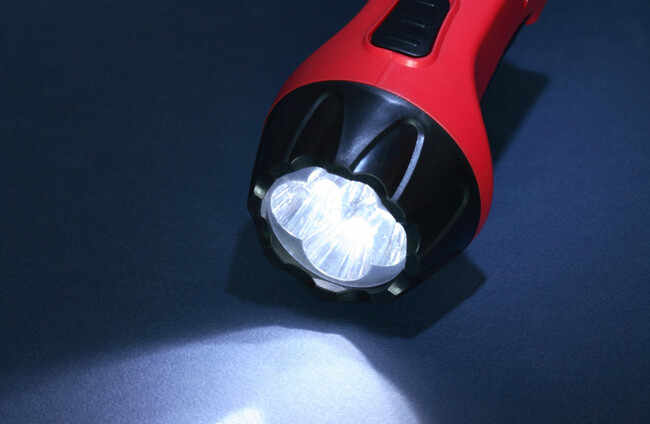
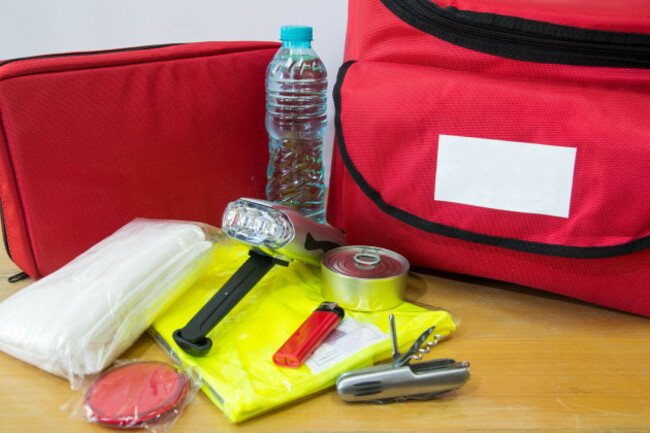
McMullan said every household should prepare for emergency events and researchers at DCU have developed a basic list of 15 items. It includes a three-day supply of food and water, eight-day supplies of medicine, a first aid kit, a torch and a battery-powered radio.
DCU’s Household Preparedness Items also includes an alternative heat source, a shovel, a bag of salt, a large drinking-water container, extra batteries, candles, matches or a lighter, emergency contact information, an evacuation list and an emergency cash supply.
McMullan’s 2024 survey into household preparedness in Ireland, conducted in the context of the response to Storm Emma in 2018, found that the majority of households have access to additional food but fewer than half have make plans for situations where there is no access to water.
In March, European crisis management commissioner Hadja Lahbib recorded a video which detailed everything the EU would like citizens to include in a ’72-hour self-sufficiency kit’.
The tone of the video was criticised by some users on the platform as being like a “joke” but McMullan said the information was in line with best practice, according to DCU’s research.
The items ranged from pair of glasses and a waterproof passport pouch to a Swiss army knife and wireless radio.
“While the video’s delivery style is a little unusual, the fundamental message is sound,” McMullan said. She added: “I think planning for self-sufficiency for 72 hours is an excellent idea and one that we should all consider.”
McMullan said Storm Emma presented her with an opportunity to research Ireland’s level of preparedness to major weather events and national emergencies. She found that while nearly 60% of households planned for power losses, only 45% sought additional information about the intensity of the weather event.
Asked how best to prepare, the emergency management expert said collecting and maintaining the 15 basic items is a “good start”, adding that she would also recommend that households have an emergency method of cooking.
“These are basic items, but they do improve resilience,” McMullan said, adding that the public should also read how best to prepare for emergency events included in the annual National Risk Assessment, detailing the dangers to the state.
“National preparedness has two key dimensions: having national structures in place
to prepare for and manage such an emergency and having well-prepared energy
companies,” she said.
McMullan described that Ireland’s emergency management system as “robust” and commended its ability to adapt to different situations based on expert input, public consultations as well as departmental and international benchmarking.
“Our systematic approach ensures that risks are not only assessed and prioritised but also monitored, exercised through tabletop and live exercises, and continuously reviewed for improvement,” she said.
The professor said that Ireland needs a “strong energy sector”, however. While the current systems serve the public well, she said, “a national electricity grid has to be finely balanced”, from a risk perspective.
This is because the amount of electricity generated must match the amount being used in real time. If that falls out of sync, it can lead to instability, she added.
Instability had been reportedly seen before Spain and Portugal’s mass blackouts after dozens of small outages took place over the last number of months. The short-term blips have been linked to Spain’s quick shift to renewable energy sources.
McMullan said maintaining power demand does include having to account for the amount of energy generated from renewable sources adjusting the supply to meet the correct levels of use.
Following Storm Éowyn this year, The Journal saw how towns in Galway worked together to assist members of their communities during mass power outages and impacts to water supplies.
McMullan said building community resilience is “vital” to the overall durability of the country in times of emergencies.
She added: “We all have a role to play. Local preparedness strengthens our collective ability to respond to emergencies, and initiatives like community response groups are a great example of that spirit in action.”

To embed this post, copy the code below on your site












have your say