We need your help now

Support from readers like you keeps The Journal open.

You are visiting us because we have something you value. Independent, unbiased news that tells the truth. Advertising revenue goes some way to support our mission, but this year it has not been enough.

If you've seen value in our reporting, please contribute what you can, so we can continue to produce accurate and meaningful journalism. For everyone who needs it.

Alamy Stock Photo

Blood donation Ireland's stocks are a lifeline for patients, but the system is under strain

As demand rises and donations fall, Ireland’s blood supply is under increasing pressure, putting vulnerable patients at risk, writes Dr Suzanne Crowe.

MOST OF US will never need the kindness of strangers, thankfully. But newborn babies having surgery depend on it. The entire blood volume of a newborn is no bigger than a double espresso, so surgery in the early weeks of life almost always means a blood transfusion.

That’s why my ears prick up every time the Irish Blood Transfusion Service (IBTS) issues a warning about low stock – as it did last week. Along with a plea for more donations, the IBTS sends a request to hospitals to bear the shortage in mind when scheduling major surgeries.

As if the patient and their healthcare team didn’t have enough to be worrying about when planning a big operation, the possibility that there might not be sufficient blood if they need it shouldn’t have to enter their minds.

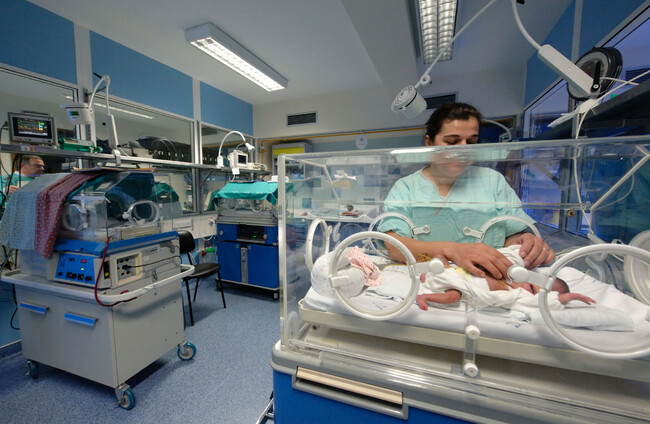
icm-icu-intensive-care-unit-hospital-universitario-gran-canaria-doctor-negrin-las-palmas-de-gran-canaria-canary-islands-spain When blood is needed, such as in ICU wards, it's needed in a hurry. Alamy Stock Photo Alamy Stock Photo

Low stock warnings have become more frequent over the last few years, despite our expanding population. The pattern of donation is reasonably predictable, usually dropping during holidays. It can also be at the mercy of the weather. However, the pattern of demand for transfusion is less predictable. But the overall trajectory is upward, as increasingly complex surgeries become more widely available.

The greatest need

While medical science continues to develop methods to use blood products more sparingly, babies, cancer patients, and those seriously injured in accidents require blood.

When it’s needed, it’s generally needed in a hurry, with laboratory scientists around the country doing trojan work to ensure that the precious donation is quickly and safely ready for transfusion.

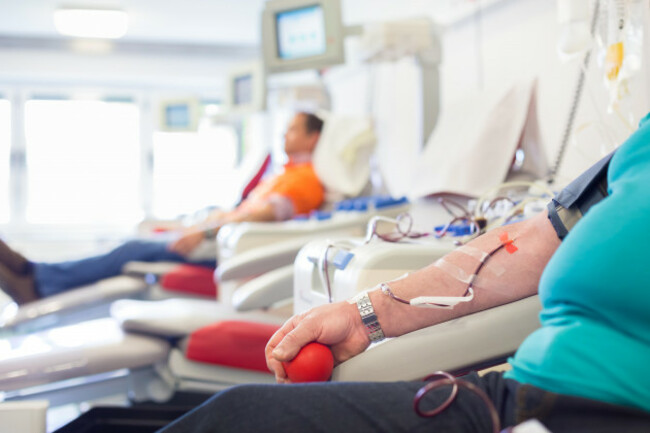
blood-donor-at-donation Alamy Stock Photo Alamy Stock Photo

Internationally, the Irish trend of falling donations is the same. The gap between donations and demand for transfusion is widening, with poorer countries experiencing the biggest challenge in securing a viable supply of blood.

Most countries have stayed with the model of voluntary, unpaid donation. A small number of countries, including the US, have paid donations as part of their strategy to ensure there are enough blood products for their population.

Paid donations are considered problematic, especially from an ethical perspective, as no person should be so impoverished that they consider selling their blood or organs. Without donations becoming a financial transaction, it relies on the goodwill and shared responsibility of everyone.

The reasons why donations are falling are unclear, but appear to be related to mistrust in institutions, misinformation and a steady decline in shared civic duty.

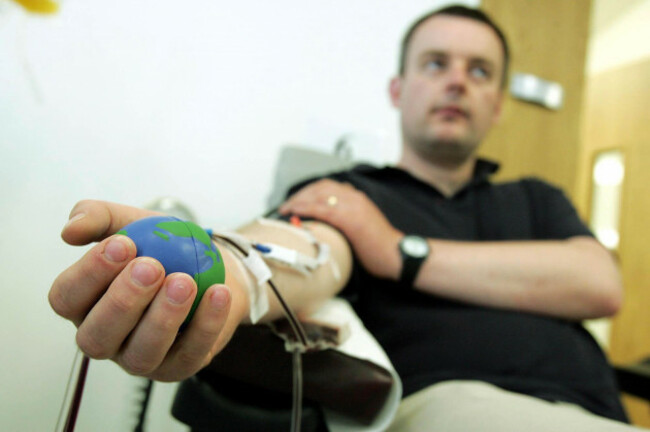
billy-dennigan-from-longford-gives-blood-in-the-irish-blood-transfusion-service-ibts-headquarters-ahead-of-tomorrows-world-blood-donor-day-the-ibts-requires-500-donations-every-day-and-3000-unit Alamy Stock Photo Alamy Stock Photo

The perfect storm of several decades of misinformation about HIV and hepatitis infections, tribunals of investigation into blood contamination, and the management of different groups of donors, such as the LGBTI community, has left the service embattled.

Widespread mistrust in state-funded institutions, which peaked during the pandemic, has also left a legacy in less willingness of the public to volunteer within state services.
Research indicates that countries that invest more in their health systems have higher rates of blood donation, possibly due to a greater proportion being spent on the transfusion service.

The service needs support

On a recent visit to the IBTS clinic in D’Olier Street, Dublin, I was struck by the stark infrastructural challenges.

The clinic is on the second floor and accessible by a lift, which wasn’t working that morning. Though the staff were welcoming and efficient, the space is cramped and poorly ventilated. But it does have the advantage of being in the city centre, with plenty of public transport.

I have also donated blood in the Stillorgan Clinic, which faces similar structural issues as D’Olier Street, and at the National Blood Centre in St James’s Hospital, which, by contrast, is a bright, clean and easily accessible facility.

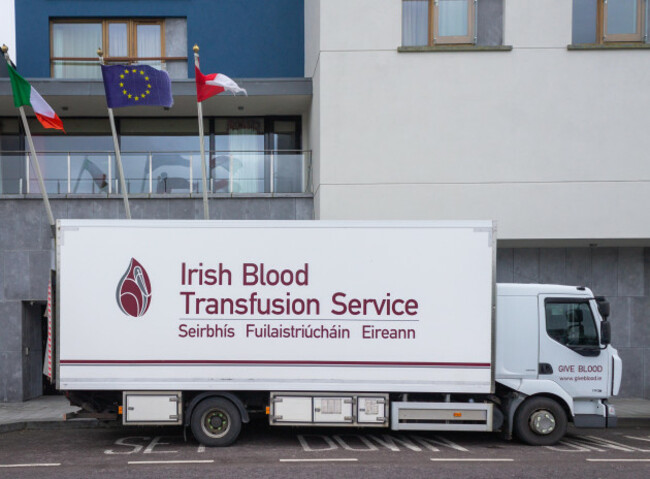
irish-blood-transfusion-service-vehicle-parked-outside-a-donor-centre Alamy Stock Photo Alamy Stock Photo

There have been modest but welcome innovations in the service, such as letting the donor know when their blood is used. And getting an appointment to donate has also become easier with the IBTS portal, but the donation hours are extremely limited both in hours and days of the week.

Overall, it feels like a service in need of a significant upgrade to make it more attractive and accessible to members of the public who wish to donate. Working from home has removed many people from city centre offices who previously came together to clinics to donate as part of company social responsibility drives. Similarly, third-level campuses are quieter for long periods of the year. A new approach is required.

That approach could involve a wider sharing of the purpose of transfusion and the benefits for the thousands of people each year who receive the gift of blood. None of us thinks we will need blood – we accept that we may need surgery at some stage, but the details of blood products are not in the public consciousness.

The public always shows up to help others when asked. With more frequent warnings about low stocks, isn’t it time to invest and develop the service and help people to help each other?

Dr Suzanne Crowe is President of the Medical Council and a consultant in paediatric intensive care in Children’s Health Ireland Crumlin. For information on how to donate blood, go to GiveBlood.ie.

Readers like you are keeping these stories free for everyone...
A mix of advertising and supporting contributions helps keep paywalls away from valuable information like this article. Over 5,000 readers like you have already stepped up and support us with a monthly payment or a once-off donation.

Close
6 Comments
This is YOUR comments community. Stay civil, stay constructive, stay on topic. Please familiarise yourself with our comments policy here before taking part.
Leave a Comment
    Submit a report
    Please help us understand how this comment violates our community guidelines.
    Thank you for the feedback
    Your feedback has been sent to our team for review.

    Leave a commentcancel

     
    JournalTv
    News in 60 seconds