We need your help now

Support from readers like you keeps The Journal open.

You are visiting us because we have something you value. Independent, unbiased news that tells the truth. Advertising revenue goes some way to support our mission, but this year it has not been enough.

If you've seen value in our reporting, please contribute what you can, so we can continue to produce accurate and meaningful journalism. For everyone who needs it.

Alamy Stock Photo

The physio is in Midlife is not about decline, it can be the turning point for your health

Health writer and chartered physiotherapist Stephen O’Rourke explains why muscle, bone, heart and mind respond remarkably well to exercise in midlife — and why it’s never too late to start.

THERE’S A MOMENT that tends to arrive somewhere in your 40s, a slow realisation that time is catching up with you.

It might be climbing a flight of stairs and feeling more winded than expected. Or a stiff back that lingers longer than it used to, or perhaps the hike you used to do once in a while has become more challenging these days.

There may be a quiet realisation as your inner self reflects on this new venture into middle age: I should probably be doing something to look after myself!

If you’ve never been into exercise or considered yourself “a gym person,” the idea of starting exercise in midlife can feel daunting, or even futile.

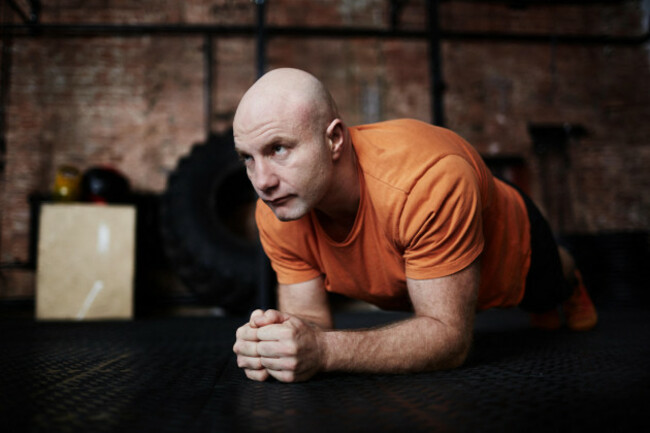
doing-plank-exercise-in-gym Alamy Stock Photo Alamy Stock Photo

But here’s the good news: from a scientific standpoint, your 40s may be one of the most powerful times to get started. When it comes to bone, muscle, metabolism, heart health and even brain function, it is never too late to start exercising.

In fact, your body is remarkably responsive to change at this stage of life, and you can expect to reap the rewards.

Them bones them bones

From around our 30s onward, we begin to lose muscle mass (sarcopenia) and bone mass (osteopenia/osteoporosis). By the time we reach our 40s, that gradual decline can become more noticeable. Muscle strength can drop by 1–2% per year if we’re inactive.

Bone density declines 0.5-1% year on year in our 40s, particularly for women approaching menopause due to falling estrogen levels. Hormones fluctuate, our metabolism shifts, recovery can take longer and our risk of sustaining an injury increases.

It is not all doom and gloom; decline does not mean destiny. There are many things we can do to combat the impact of our bodies’ natural mechanisms for ageing.

young-adult-caucasian-woman-having-blood-pressure-checked-by-black-nurse Alamy Stock Photo Alamy Stock Photo

The body adapts to demand at almost any age. Research consistently shows that strength training and weight-bearing exercise can slow, halt and even reverse aspects of age-related muscle and bone loss. Your 40s aren’t a closing door, but can be a turning point if you haven’t already started building exercise into your life.

Bone is living tissue and responds positively to stress. When you load it through resistance training, walking, jogging, dancing, or lifting, it becomes stronger. Exercise impacts bone health, and without this stimulus, bone density will decrease more over time, increasing the risk of osteoporosis and fractures in later life.

Peak bone density is achieved between the ages of 25 and 30. Unfortunately, once we move into our 40s, it is a slow decline as less bone mass is replaced.

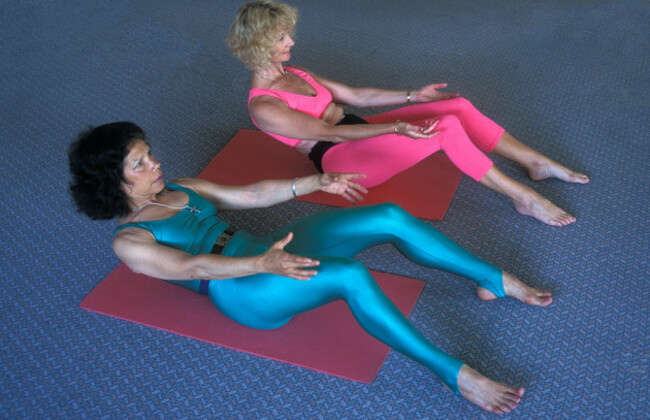
two-middle-aged-women-doing-stomach-crunches-in-gym Alamy Stock Photo Alamy Stock Photo

Studies show that resistance training two to three times per week can significantly improve bone mineral density, particularly in the hips and spine, the areas most vulnerable to fractures.

If you’re thinking: But I’ve never lifted weights before, that’s perfectly fine. You don’t need to start deadlifting heavy barbells. Bone responds to progressive load, meaning gradual increases in resistance over time can have a positive impact. Bodyweight squats, resistance bands, light dumbbells, brisk walking, dancing, skipping all count.

‘Move it or lose it’

Calcium and vitamin D are also vital in the fight to slow down the decline of bone health. Calcium is the main mineral that gives bone its strength.

Vitamin D’s main role is to allow our body to absorb calcium. Calcium is like the bricks, and vitamin D is like the brick layer. If you are concerned about your levels, a simple blood test can be ordered by your primary care doctor.

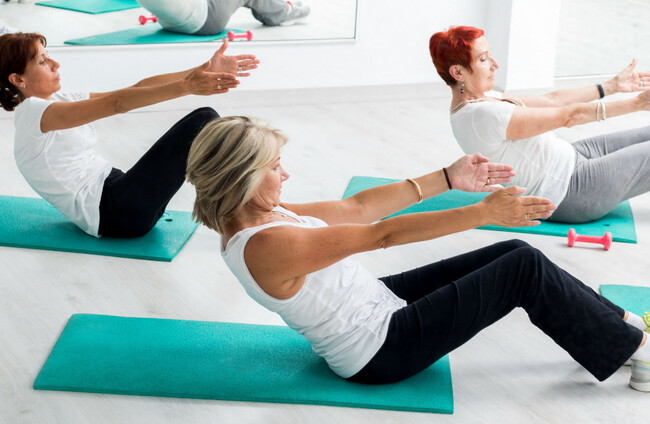
young-woman-exercising-with-middle-aged-woman-indoors Alamy Stock Photo Alamy Stock Photo

Muscle isn’t just about strength or aesthetics; it’s also our metabolic powerhouse. Lean muscle mass helps regulate blood sugar, supports insulin sensitivity and plays a critical role in maintaining a healthy weight. Physical inactivity has been shown to result in loss of muscle mass and strength.

‘Move it, or lose it’, holds real truth. As muscle declines, metabolism often slows, making midlife weight gain more common. However, the encouraging news is that muscle is highly trainable in your 40s.

Research involving adults in their 40s, 50s and even 70s shows significant improvements in muscle mass and strength after consistent resistance training programs lasting as little as 12 weeks.

exercise-muscles-and-man-with-weights-in-gym-for-strong-arms-strength-training-and-bodybuilder-routine-fitness-biceps-and-person-with-dumbbells Alamy Stock Photo Alamy Stock Photo

The benefits go beyond looking toned and feeling stronger. Stronger muscles mean better joint support, reduced back pain, greater balance and reduced risk of falls and everyday tasks become easy.

Playing sport, playing with kids, housework, carrying groceries, all become easier. Strength equals independence, and we all want to be as independent as long as we can well into our later years. Starting now sets you up for success.

Fighting off disease

Cardiovascular disease (heart disease) risk begins to climb in midlife, too. Blood pressure may creep up, cholesterol levels increase, and insulin resistance becomes more common.

The heart is a muscle, and like all muscles, it changes with age. Over time, the walls of the heart, along with the valves, arteries and veins, can gradually stiffen and thicken, which may affect how efficiently it functions.

While these changes are a normal part of ageing, when combined with risk factors such as smoking, chronic stress, physical inactivity, excess weight and poor sleep, the risk of heart disease, heart attack and stroke increases significantly.

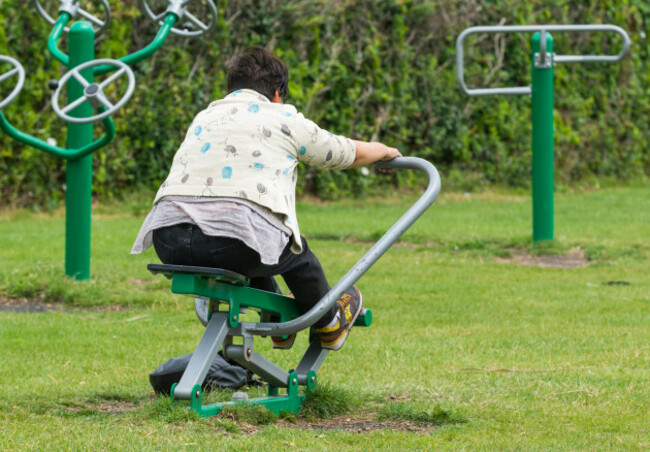
outdoor-gym-middle-aged-lady-using-apparatus-at-an-outside-gym-in-worthing-west-sussex-england-uk Alamy Stock Photo Alamy Stock Photo

You may have guessed it: regular aerobic exercise, such as brisk walking, cycling, swimming, or jogging, can significantly reduce these risks. Just 150 minutes per week of moderate-intensity activity (about 30 minutes, five times a week) is associated with lower rates of heart disease, stroke, and type 2 diabetes.

You don’t have to train for a marathon. A consistent walking routine can dramatically improve cardiovascular health. Think sustainable, think enjoyment, not extreme.

Brain health

One of the lesser-discussed benefits of midlife exercise is its impact on cognitive health. Physical activity increases blood flow to the brain, supports neuroplasticity, and is associated with a lower risk of dementia later in life.

Exercise also boosts mood-regulating neurotransmitters like serotonin and dopamine, which help manage anxiety and low mood.

Many people in their 40s juggle demanding careers, ageing parents, teenagers, financial pressure and hormonal shifts. Movement becomes not just a physical intervention, but a psychological one. Sleep quality improves, stress resilience increases, and in many cases exercises becomes the anchor that helps hold the ship steady.

For women, especially those navigating hormonal changes in their 40s, perimenopause often begins during this period. Fluctuating estrogen levels can affect sleep, mood, fat distribution and bone density. Therefore, strength training is particularly powerful at helping these symptoms during this phase. It helps preserve bone mass, maintain lean muscle, and improve metabolic health at a time when hormonal shifts can make weight management more challenging.

exercise-muscles-and-woman-with-weights-in-gym-for-training-bodybuilder-routine-and-arm-strength-fitness-athlete-and-person-with-dumbbells-for Alamy Stock Photo Alamy Stock Photo

Men don’t get off scot-free; gradual testosterone decline is estimated at 1% per year after age 40, and has a direct influence on muscle mass and energy levels. Low testosterone is associated with fatigue, hair loss and increased weight.

Resistance training remains one of the most effective natural strategies to support healthy testosterone levels, and research has shown that testosterone levels rise after exercise. For both men and women, movement most certainly is medicine.

senior-man-exercising-with-dumbbells-in-a-home-gym-during-a-morning-workout-session Alamy Stock Photo Alamy Stock Photo

If you’re reading this and thinking, Maybe I should start… well, that’s your cue to get moving.

Start small. Fail. Start again. Start walking more.

Start lifting weights in your living room.

Join a class. Rope your friends into yoga, pilates, zumba, aquafit, whatever piques your interest.

The science is very clear, it is never too late to improve your bone health, strengthen muscle, protect your heart and sharpen your mind. Midlife is not about decline, it is an opportunity to invest in a healthier future for both you and your body.

Stephen O’Rourke is a Clinical Specialist Musculoskeletal Physiotherapist at the Mater University Hospital, Dublin, with a specialist focus on spinal care and low back pain. He is also a guest lecturer at the Royal College of Surgeons in Ireland and a former health contributor to The Farmer’s Journal.

Readers like you are keeping these stories free for everyone...
A mix of advertising and supporting contributions helps keep paywalls away from valuable information like this article. Over 5,000 readers like you have already stepped up and support us with a monthly payment or a once-off donation.

Close
Comments
This is YOUR comments community. Stay civil, stay constructive, stay on topic. Please familiarise yourself with our comments policy here before taking part.
Leave a Comment
    Submit a report
    Please help us understand how this comment violates our community guidelines.
    Thank you for the feedback
    Your feedback has been sent to our team for review.

    Leave a commentcancel

     
    JournalTv
    News in 60 seconds