Sign in. It’s quick, free and it’s up to you.
An account is an optional way to support the work we do. Find out more.
Sign in. It’s quick, free and it’s up to you.
An account is an optional way to support the work we do. Find out more.
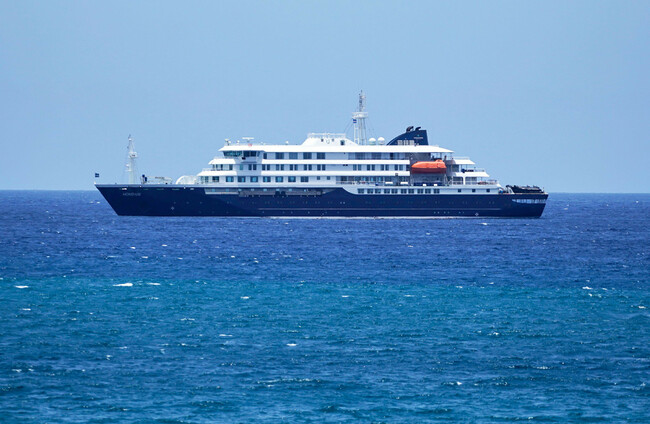

HANTAVIRUS – THE LITTLE-KNOWN virus spread by rodents that tragically caused the death of actor Gene Hackman’s wife last year is in the news again.
Two Irish people are confirmed to be on a cruise ship in the Atlantic after a suspected hantavirus outbreak on board.
The virus is suspected of killing three people, including a married couple from the Netherlands, and causing a 69-year-old British tourist to be admitted to intensive care in South Africa.
Two further crew members on board the ship are reported to be seriously ill. To date, the Irish passengers on board the ship are reportedly unaffected.
So, what is this virus, and what are the risks? Is it something we need to be concerned about in Ireland?
If, as has been reported by the World Health Organisation (WHO), hantavirus is rarely transmitted person-to-person, how have six people on board a cruise ship been suspected of having acquired hantavirus infection?
What is the fate of the remaining passengers and crew on board off the coast of Cape Verde, as the ship has been refused the right to dock in its port?

The official response from Cape Verde is that it is in contact with authorities in the Netherlands about the Dutch-flagged ship carrying 147 passengers and crew.
“This coordination has enabled a swift and technically appropriate response, ensuring the clinical monitoring of patients and the preparation of all necessary precautionary measures, including a possible medical evacuation by air ambulance for patients under observation,” Cape Verde authorities said.
The MV Hondius left Argentina around three weeks ago before making several stops as it crossed the Atlantic. It came to global attention on Sunday, 3 May, when the WHO said it was involved in a “public health event” on board.
The WHO said that to date, one case of hantavirus has been laboratory confirmed, with five additional suspect cases. “Of the six affected, three have died and one is in intensive care in South Africa, while efforts continue to have the remaining two symptomatic crew members on the ship medically evacuated.”
Hantavirus made headlines last year when actor Gene Hackman’s wife, Betsy Arakawa, tragically succumbed to pulmonary syndrome linked to hantavirus in New Mexico.
What is this virus, and what are the risks? Hantavirus is a family of viruses that cause three different types of illnesses. Two of them affect the kidneys – haemorrhagic fever with renal syndrome (HFRS), and nephropathia epidemica (NE); and one which affects the lungs.
Hantaviruses found in Europe and Asia usually affect the kidneys, while hantaviruses circulating in the Americas (as was the case in this outbreak) usually affect the lungs.

The time between being infected and developing symptoms is usually between one and five weeks, but can be longer. Symptoms include fever that can last up to a week and flu-like symptoms. Infection affecting the kidneys can last from three days to three months. Mortality from HFRS, the more severe form, is 1-15%.
Hantavirus that affects the lungs (HPS) causes severe disease with up to 40% mortality. Early symptoms include fever, headache or dizziness, muscle pains, nausea, vomiting, diarrhoea or stomach pain.
Later symptoms include cough and trouble breathing, due to the lungs filling with fluid.
In terms of this unusual outbreak onboard a cruise ship, identifying the source of infection will be a critical step.
The Health Protection Surveillance Centre (HPSC) reports that, commonly, people are infected with hantavirus when they breathe it in. This can happen when rodent urine or droppings of rodent nest materials are stirred up in the air.
Rodents that can be infected include mice, rats, shrews and voles. Different rodents are infected in different countries.
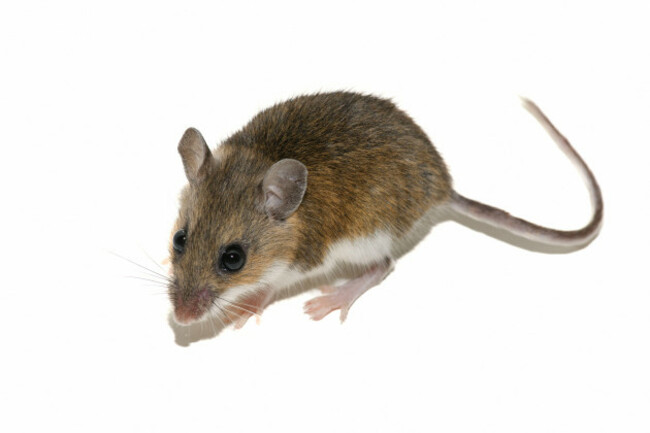
Infection in humans can also occur when people touch their eyes or mouth after touching rodent urine, droppings, saliva or nesting materials.
Most infections occur through outdoor activities such as camping, clearing out summer cabins or working in farm buildings.
So far, the only hantavirus that has been shown to spread from person-to-person is the Andean hantavirus, found in Argentina and Chile, and that has occurred only rarely from very close contact. One case of hantavirus passed from mother to baby has been reported.
The HPSC also reports that hantavirus is not spread by regular social contact, use of communal household utensils, caring for someone with hantavirus, from an infected partner during unprotected sex or from a blood transfusion.
Treatment consists of symptom relief and, for hospitalised patients, support of lung or kidney function. Ribavirin has been used in severe hantavirus infection in Europe. There is no vaccine available to date for hantavirus.
Diagnosis involves checking for hantavirus antibodies in the blood, performed by the National Virus Reference Laboratory, with supplementary testing performed by the Rare and Imported Pathogens Laboratory in the UK.

Hantavirus has rarely been reported in Ireland, in a few travellers returning from affected areas. As the virus rarely spreads person-to-person, these imported cases are unlikely to spread further.
Hantavirus is widespread across Europe except for Ireland, the UK, Mediterranean coastal regions and the northernmost areas. It is found in North America and Canada except in Alaska and Hawaii. It is also found in Central America, South America and Eastern Asia.
The European Centre for Disease Prevention (ECDC) reported in 2020 that countries with the highest incidence of hantavirus in Europe include Finland and Germany, accounting for 85% of all reported cases, with Finland alone accounting for 71% of cases.
Large outbreaks have also been reported in Croatia and the Belgian Ardennes. The Puumala virus is the most common cause of European hantavirus, leading to the milder form of renal condition nephropathia epidemica. One of the primary carriers in Europe is not rats or mice but the bank vole. Cases often peak every second year and peak in summer and late Autumn
All travellers going to an affected area where hantavirus is circulating should avoid any contact with rodents and their urine, droppings, saliva and nesting materials. If you become unwell and have been exposed to these materials, one to five weeks after returning from an affected area, contact your healthcare provider and mention your recent travel to an affected area.
This suspected outbreak of hantavirus on board the MV Hondius is no doubt a concern for the passengers on board. Currently, the source is unclear – whether there was direct exposure to rodent droppings, urine, saliva or nesting materials. Alternatively, the possibility of aerosolised rodent-contaminated dust within enclosed spaces will no doubt also be considered by the testing teams involved.
There is an outside chance that person-to-person transmission has occurred, given that the only known source of that person-to-person transmission, the Andean virus, is found in Argentina. However, this is an exceedingly rare event and must be considered unlikely.
The severity of symptoms and high mortality to date in this case is what is causing concern. Immediate steps include the controlled evacuation of symptomatic passengers for hospitalisation, isolation and system support. The remaining passengers will need to be tested for hantavirus (blood tests) to investigate if they are incubating any infection that has yet to become symptomatic.
The ship will require comprehensive environmental sampling, including all ventilation systems, to identify the source. Close collaboration across disciplines, sectors and countries will be necessary to ensure the rapid implementation of advanced supportive treatment, containment of the suspected outbreak and evaluation and prevention of further transmission.
Dr Catherine Conlon is a public health doctor in Cork.
To embed this post, copy the code below on your site















have your say