Sign in. It’s quick, free and it’s up to you.
An account is an optional way to support the work we do. Find out more.
Sign in. It’s quick, free and it’s up to you.
An account is an optional way to support the work we do. Find out more.
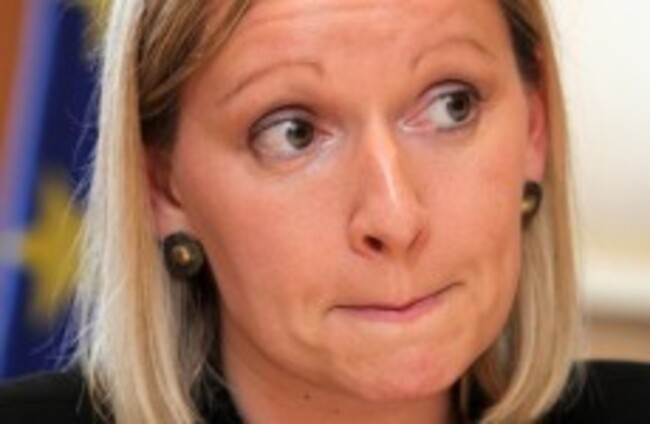

LAST FRIDAY’S CABINET reshuffle saw a number of changes to front benches of the Fine Gael/Labour coalition, including the departure of Phil Hogan as the new Minister of Environment, replaced by Alan Kelly.
Hogan will not be out of a job for long as he is destined to be Ireland’s nominee to the European Commission.
While Hogan is skilled in the political dark arts, his ministerial track record leaves a lot to be desired compared to other selected and/or rumoured Commission candidates.
By nominating Hogan, Kenny faces the prospect of Ireland’s candidate being appointed to one of the lesser portfolios such as Development or Education, Culture, Multilingualism and Youth. Receiving one of these portfolios would certainly be disappointing for Kenny, who is aiming for the position of Trade Commissioner.
The selection process does not favour Hogan’s appointment to one of the larger portfolios. He, along with 26 other individuals from each member state excluding Luxembourg, will be nominated by their respective national governments in August.
The president-elect of the Commission, former Luxembourg Prime Minister Jean-Claude Juncker, will then chose the nominated candidates’ portfolios.
A number of factors will be considered when allotting portfolios.
If Hogan manages to jump all these hurdles and is chosen by Junker for a senior position then his name, along with those of the other ‘Commissioners-designate’, will be submitted by the president-elect to the Council of Ministers and then to the EP.
The EP will then hold a three-hour public hearing in September where its committee(s) responsible for the portfolio of the ‘Commissioners-designate’ will grill the nominees. Hogan will have to be prepared for these hearings, as MEPs have already taken the scalps of a number of ‘Commissioners-designates’, most recently Bulgaria’s nominee to the second Barroso Commission, Rumiana Jeleva.
Jeleva was withdrawn by her national government, in part, after failing to demonstrate sufficient knowledge of the policy area that she was to be in charge of after questioning by MEPs.
It is now pretty clear that the majority of Irish MEPs intend to make these hearings as difficult as possible for Hogan by raising questions about his ministerial record, particularly the role he played in introducing Water and Household taxes, which will certainly gain traction among left-wing MEPs.
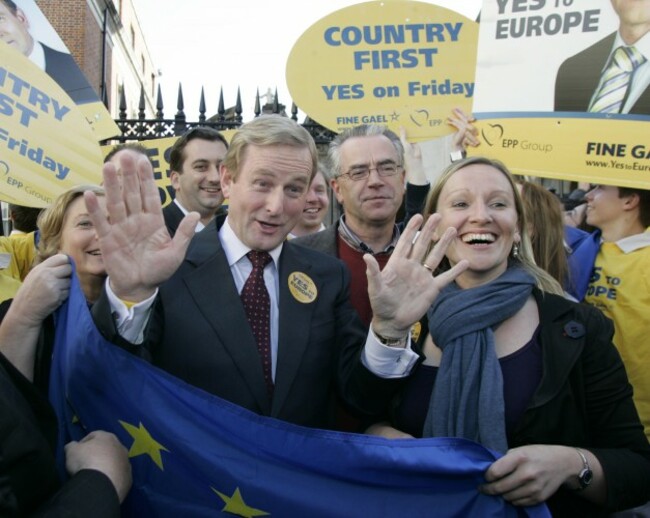
However, Kenny could avoid these pitfalls and secure a senior portfolio by nominating his political foe Lucinda Creighton. Creighton ticks all the right boxes; she is highly knowledgeable on European affairs, holds the position of Vice President of the European People’s Party – the same political group as Juncker – and is a woman.
Nominating Creighton would also have the added benefit of ensuring that Fine Gael would not risk losing a seat in any by-election while at the same time removing one of Kenny’s harshest critics off the Irish political scene.
As this may be the only opportunity for Kenny to nominate someone to the Commission, he may end up regretting his choice.
David Moloney is a PhD student at the University of Limerick after having been awarded a scholarship. His PhD will explore the role of MEPs, and officials from the Council of Ministers in shaping the EU’s response to the economic crisis in the Member States. David is a former employee of the European Parliament. Follow him on Twitter @Dav_Moloney
To embed this post, copy the code below on your site








have your say