We need your help now

Support from readers like you keeps The Journal open.

You are visiting us because we have something you value. Independent, unbiased news that tells the truth. Advertising revenue goes some way to support our mission, but this year it has not been enough.

If you've seen value in our reporting, please contribute what you can, so we can continue to produce accurate and meaningful journalism. For everyone who needs it.

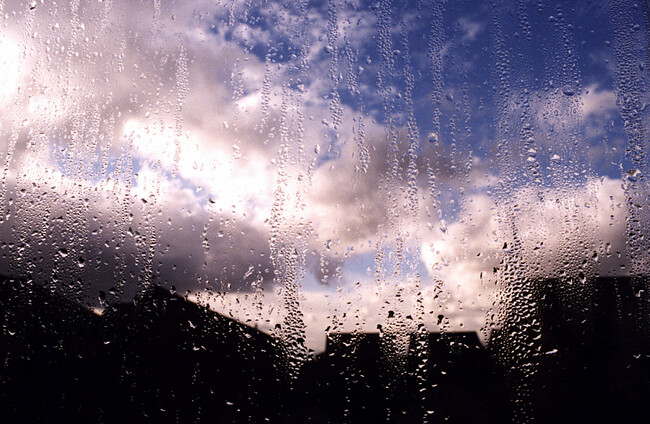
Rain on the window pane. Alamy Stock Photo

Stuck in the dark How not to get SAD this time of year

Dr Catherine Conlon looks at how the lack of light in winter affects our mental health, and the treatments that can help.

LAST UPDATE | 2 hrs ago

HOW I AM missing my walks to work this year. January and February have been particularly harsh with day after day of mist, biting temperatures and of course rain.

Instead of walking, I am driving through roads choked with traffic, irate drivers taking their frustrations out on everyone else by refusing to yield, while listening to endless doom and mindless chatter on the airwaves. Missing that early morning daylight, combined with exercise, is for me, a recipe for winter blues.

More than half the people living in places where there are four seasons report having the “winter blues” – a mild depression characterised by a lack of motivation and low energy.

In a minority (2-3%) of the population, these symptoms are very severe. They recur as an annual depression called seasonal affective disorder (SAD) that affects women more than men.

As the days shorten and winter approaches, many people struggle with mood changes, fatigue, sleep difficulties and low energy. Many celebrities have talked openly about their struggles, raising awareness about how pervasive the condition is.

Grammy award winner, Adele, suffers from SAD in the winter months with low energy and mood changes as the season shifts towards winter. The actor, Ryan Reynolds, has talked about his struggles with mental health, including SAD. The Canadian star has spoken about how the lack of sunlight in Vancouver, where he grew up, affected his mental state. He noticed a pattern of feeling lethargic and down during the autumn and winter seasons.

MixCollage-10-Feb-2026-05-12-PM-2652 Celebrities like Adele and Ryan Reynolds have described how dark days affect their mental health. Alamy Alamy

Acclaimed British actress Emma Thompson has also been open about her struggles with SAD, admitting to depressive symptoms when daylight hours are shorter.

What is SAD?

SAD is a form of depression that follows a particular pattern, predictably surfacing as daylight hours decrease in autumn and winter. The condition affects millions of people worldwide, causing a range of symptoms that include mood change, fatigue and low energy.

The condition is characterised by recurring episodes of depression that coincide with autumn, winter, and early spring – usually lasting about 4-5 months every year.

Common symptoms include persistent low mood, loss of interest in activities, difficulty concentrating, changes in sleep patterns, increased appetite — particularly for carbohydrates, weight gain and social withdrawal.

The disorder affects about 3% of the population and is more common in regions farther from the equator, where seasonal changes in daylight are more pronounced. SAD is four times more common in women than men, typically first appearing between ages 18 and 30.

Symptoms vary in intensity, with some people experiencing mild winter blues and others facing debilitating impairment in daily functioning.

Several biological mechanisms contribute to SAD. Reduced sunlight can disrupt the body’s internal clock, leading to mood and sleep disturbances. Serotonin levels may be lowered, a neurotransmitter that affects mood. Seasonal changes can also disrupt melatonin production, impacting sleep patterns and mood.

Reduced sunlight also leads to lowered vitamin D levels, potentially contributing to symptoms of depression.

Psychological and environmental factors can also play a role in SAD. These include seasonal changes in stress levels; reduced outdoor activity that contributes to both a lack of exercise and social interaction; and seasonal holiday stresses that can bring added emotional and financial pressures.

Family history of SAD may imply a genetic predisposition to increased risk.

How to manage it

If you have symptoms of SAD, seek professional help from your healthcare provider who will discuss treatment options. Light therapy, using a special lamp, can help treat SAD.

Cognitive behaviour therapy (CBT), a type of talk therapy, has been shown to effectively treat SAD. Sometimes, healthcare providers recommend medication for depression, either alone or with light therapy.

light-therapy Light boxes can be effective when used properly. Alamy Stock Photo Alamy Stock Photo

Spending time outdoors and physical exercise can be very beneficial for symptoms. Try to get out during the day, especially early in the morning, and increase the amount of sunlight that enters your home or workplace. A vitamin D supplement may also improve symptoms.

How does light therapy work?

To use light therapy, or phototherapy, you need to purchase a special lamp. It has white fluorescent light tubes covered with a plastic screen to block ultraviolet rays. The light is about 20 times brighter than regular indoor light. The intensity of the light should be about 10,000 lux and placed about two to three feet away while you read, eat, work or do other activities.

The evidence suggests that morning light therapy works best – many health professionals recommend 10,000 lux for 15 to 30 minutes every morning. Results can be seen within two to four days, but may take about two weeks to reach their full benefits. Healthcare providers often recommending use of light therapy throughout the winter season as SAD symptoms can quickly return after discontinuing light therapy.

Light therapy is typically safe and well-tolerated. You may need to avoid it if you have diabetes or retinopathies – there is a potential risk of damaging the retina, the back of the eye. Certain antibiotics and anti-inflammatories can make you more sensitive to sunlight, and light therapy should be avoided. Certain mental health conditions and antidepressants can cause bright light therapy to trigger uncontrolled boosts in mood and energy level.

Talk to your health professional if you have any of these conditions and are considering light therapy.

The experts advise that if you have seasonal affective disorder, the outlook is positive. There are treatments available. People who get the right diagnosis and combination of treatments can generally find relief from symptoms. Talk to your healthcare provider to find the treatment that will work best for you.

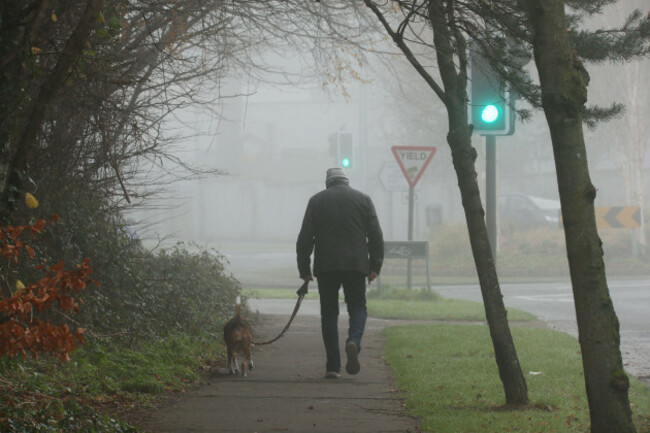
dublin-ireland-december-26th-2024-a-man-walks-his-dog-in-an-urban-street-scene-of-heavy-fog-over-south-dublin-ireland-heavy-fog-covers-dublin-o Alamy Stock Photo Alamy Stock Photo

People who are prone to SAD can also take steps to prevent the predictable symptoms from recurring every season. These include using a light box and getting outside every day, even if it’s cloudy.

Try to get 30 minutes of exercise at least three times a week. Exercise relieves stress and anxiety that can play a role in SAD symptoms.

Eat well. Even though your body may be craving starchy and sweet foods, healthy food with enough vitamins and minerals will give you the nutrition and energy you need.

Stay involved with your social circle and regular activities. Having a routine and sticking to it can provide support during the winter months, while being alone can make symptoms worse.

Consider medications. Talk to your healthcare provider about taking an antidepressant if symptoms persist. Take care when using alcohol or non-prescription drugs: they may make symptoms worse, and they can negatively interact with prescription drugs.

gp-asks-patient-about-condition-during-his-visit-at-clinic Alamy Stock Photo Alamy Stock Photo

If you are stuck indoors, fed up with the rain and cold this winter, ponder this famous quote from Emma Thompson.

“We’re all supposed to be happy all the time. What is that about? Why have we lost contact with the possibility of saying, ‘Do you know what? I can’t do that. Sorry I can’t manage that as well.”

It may feel like we’re living in an endless cycle of rain these last few weeks, but the winter comes, and then it goes. Don’t lose hope. The evenings are already beginning to lengthen, and the sun will come out again – eventually.

Dr Catherine Conlon is a public health doctor with the HSE in Cork.

Readers like you are keeping these stories free for everyone...
A mix of advertising and supporting contributions helps keep paywalls away from valuable information like this article. Over 5,000 readers like you have already stepped up and support us with a monthly payment or a once-off donation.

Close
10 Comments
This is YOUR comments community. Stay civil, stay constructive, stay on topic. Please familiarise yourself with our comments policy here before taking part.
Leave a Comment
    Submit a report
    Please help us understand how this comment violates our community guidelines.
    Thank you for the feedback
    Your feedback has been sent to our team for review.

    Leave a commentcancel

     
    JournalTv
    News in 60 seconds