Sign in. It’s quick, free and it’s up to you.
An account is an optional way to support the work we do. Find out more.
Sign in. It’s quick, free and it’s up to you.
An account is an optional way to support the work we do. Find out more.
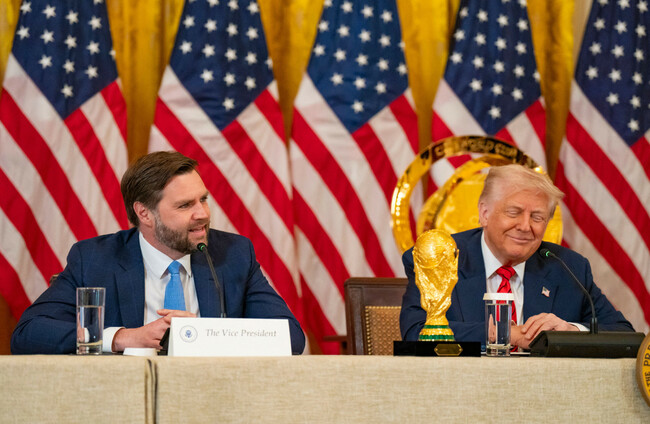

THIS WEEK, MILLIONS of football fans around the globe will welcome the start of the men’s Fifa World Cup. Stadiums across the United States, Canada and Mexico will fill with excited supporters, while in Ireland, despite our absence from the tournament, football fever will inevitably kick in.
Sport has an extraordinary power to bring people together. It creates shared moments of joy, pride and connection. It inspires young and old alike and gives us memories that last a lifetime.
Those of us a certain age still cherish the memories of Italia ’90, when an underdog Irish team captured the imagination of the nation and reached the World Cup quarter-finals. The country was swept away by a joyous and highly infectious soccer fever, creating moments that have become part of our national folklore.
But there is a darker reality that often accompanies major sporting events, one that receives far less attention than the action on the pitch. For thousands of women, they can bring fear and intimidation, rather than celebration.
Violence against women is a global pandemic. One in three women worldwide has experienced gender-based violence, with every single country affected. It remains one of the world’s most widespread human rights violations, often hidden behind closed doors. And ignored by society.
Research indicates increases in domestic abuse during major football tournaments. Football itself is not the cause, and most supporters celebrate responsibly and peacefully. However, large sporting events can intensify existing patterns of abusive behaviour, often fuelled by alcohol, heightened emotions, and deeply entrenched attitudes towards women.
Alcohol Action Ireland’s 2025 report on the links between alcohol consumption and domestic, sexual and gender-based violence highlighted concerning patterns around sporting events. It drew on national and international research. The report included an analysis of almost 800 Manchester United and Manchester City matches over an eight-year period, which found that domestic abuse incidents decreased during games themselves, but rose sharply afterwards, peaking between 10 and 12 hours later.
The report found that these increases were largely driven by alcohol-related abuse incidents, particularly following early kick-off matches.
A study by researchers at Lancaster University found that reports of domestic abuse to police in England increased by 26% when the national team won or drew during World Cup matches. When England lost, incidents increased by 38%.
Research in Brazil found a significant rise in domestic violence reports following football matches, particularly after unexpected defeats, with police reports increasing by 7.6% immediately after games.
The World Cup, while a source of joy for many, is also a risk factor for women. While hugely different in scale and scope, it is similar to how climate change, conflict, even peace processes and humanitarian crises increase the risk for women of gender-based violence. There is a spike when an event occurs, both major and minor.
Violence against women does not occur in a vacuum. It is rooted in inequality and thrives where discrimination is tolerated, where harmful stereotypes persist, and where women are denied equal opportunity.
Too often, violence against women is treated behind closed doors. Major sporting events such as the World Cup provide an opportunity to have wider conversations about the kind of society we want to build.
Do we recognise gender-based violence as a fundamental violation of human rights requiring sustained action? Or do we accept that millions of women and girls continue to live with violence as part of everyday life?
All governments have a responsibility to act. That means investing in prevention programmes and challenging harmful attitudes and behaviours that feed violence. No better time than the World Cup to have a public information campaign about gender-based violence, signs to watch out for and how it can be prevented.
Action means ensuring survivors have access to safe shelters, healthcare, counselling and legal support. It means strengthening the justice system, so perpetrators are held accountable. And it means properly funding women’s organisations, often on the front line of supporting survivors, but receiving only a fraction of the resources they need.
ActionAid works with women and girls in our global and domestic work. Gender-based violence is consistently one of the greatest barriers they face. We support women’s organisations and work alongside survivors rebuilding their lives after violence. We have seen what is possible when governments, communities and women’s organisations work together. Survivor-led groups transform lives, communities challenge harmful social norms and create safer environments for women and girls.
As football fever builds over the coming days and weeks, most households will enjoy the tournament without incident. But we should all remain alert to signs that someone we know may be struggling.
A friend who suddenly becomes withdrawn. Unexplained injuries. Increased anxiety. A neighbour who seems fearful. These signs should never be ignored.
Survivors need support; they need domestic violence services like shelters and they need confidential assistance. Sports organisations, clubs and governing bodies also have a role to play. Education, awareness raising, and challenging harmful behaviours must be part of their work. Also, as a society, we need to question the relationship between alcohol and sport.
Win or lose, everyone deserves to feel safe in their own home. The World Cup will end, and the winner’s trophy will be lifted. It will be over for another four years. But it won’t be over for millions of women.
Women and girls have the right to live safely and to lead their lives with dignity. But the challenge of ending violence against women and girls remains.
The question is, are we willing to confront it with the same energy we bring to the world’s biggest sporting events? Are we willing to give the red card to gender-based violence and to ensure a safe playing field for all?
Karol Balfe is CEO of ActionAid Ireland.
To embed this post, copy the code below on your site












have your say