We need your help now

Support from readers like you keeps The Journal open.

You are visiting us because we have something you value. Independent, unbiased news that tells the truth. Advertising revenue goes some way to support our mission, but this year it has not been enough.

If you've seen value in our reporting, please contribute what you can, so we can continue to produce accurate and meaningful journalism. For everyone who needs it.

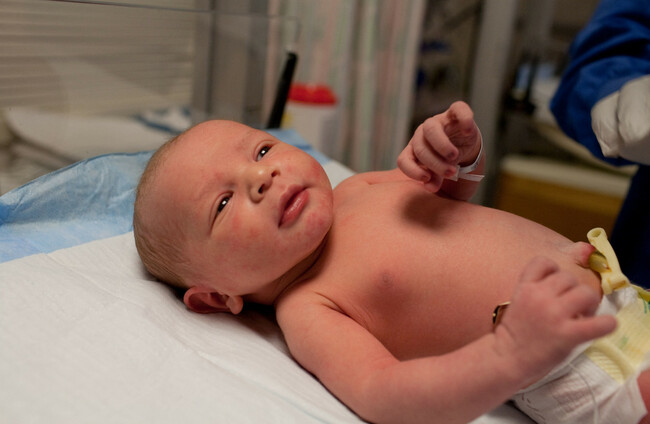
RSV can cause serious illness in infants under 6 months old. Alamy Stock Photo

'It's gone under the radar': Senior doctor warns against cutting RSV immunisation for babies

A paediatrician who works in a neonatal intensive care unit said that pulling the programme would have a massive impact on children’s hospitals in the future.

A SENIOR PAEDIATRICIAN has warned against any potential move by the Department of Health to cut the new RSV immunisation programme for infants after it was found to not be cost effective. 

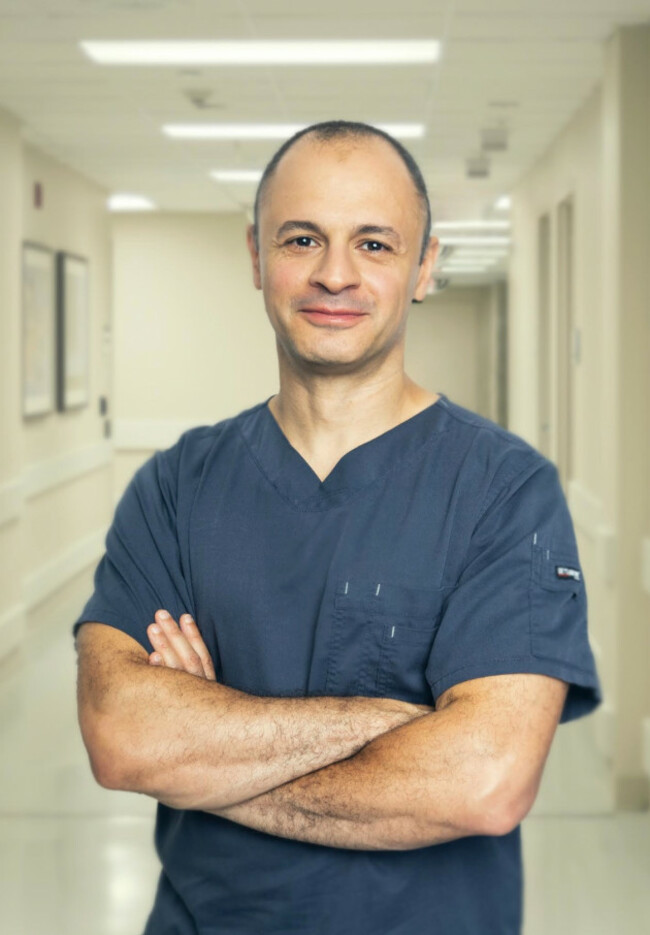
Professor Dr Afif El-Khuffash, who works in a neonatal intensive care unit, said that shutting down the programme now would put children’s hospitals under serious pressure next winter, and would mean that different birth cohorts were not getting the same level of health care. 

“There are ethical concerns here. If you stop the protection, you are creating an inequality between birth cohorts. Why do babies that are born last year and this year get the injection, and then potentially babies born after that won’t?” he said. 

El-Khuffash further said that the Health Information and Quality Authority (HIQA) has used a “narrow” framework to evaluate the cost effectiveness of the programme, without considering the “caregiver burden” when babies become very ill with RSV, and the impact on hospital systems when beds are full with babies who have RSV. 

Respiratory Syncytial Virus (RSV) is a highly contagious virus that typically causes mild cold and flu-like symptoms, but can sometimes lead to serious illness, especially in infants under 6 months, premature babies, and older adults over 80. 

In Ireland there are outbreaks every winter, and it creates an annual pressure on the health system – the impact of the virus is regularly mentioned when hospitals put out advice to patients to avoid A and Es except in completely necessary circumstances, when overcrowding is at its peak. 

In order to alleviate that pressure, the HSE rolled out a temporary immunisation programme that offered an antibody injection to babies born between September 2024 and February 2025. 

The jab was offered again for the 2025 to 2026 RSV season, and now the Department of Health is due to make a decision on whether to extend it further. 

In an initial assessment in December, HIQA found that the programme has been effective in lowering RSV-linked hospitalisations. 

“Immunisation would reduce the number of people that require medical care and hospital care. However, it would also cost a lot of money, even after considering savings because fewer people have to go to their GP or are admitted to hospital,” the body said. 

It estimates that at current drug prices, a full rollout for infants and older adults over 80 would cost €60 million for the former category for the first five years, and around €70 million for the latter. 

HIQA ultimately said that unless the HSE can get a much better price, offering immunisation to infants or older adults on a long-term basis “would not be an efficient use of resources”. 

El-Khuffash argues that cutting the programme would be a mistake that would contribute to children’s hospitals being overwhelmed in the winter months, and could create long-term health issues for babies that become very ill with RSV. 

Image 23-01-2026 at 17.09 Prof Afif El-Khuffash.

“As a person who works in the neonatal intensive care unit, I see the knock on effects. When RSV fills hospital and ICU beds, it delays the transfer of my babies who need surgery, it postpones care. As a result, babies spend longer in neonatal wards than they need to,” he said. 

Speaking from personal experience, El Khuffash said that his own son, who is now 15, became “very ill” at 5 weeks old with RSV, to the point where he was almost admitted to an intensive care unit. 

“My son has asthma now. He had to stop feeding at the time for a while, and these things have an impact.

“It’s important to stress that for most children, the symptoms are relatively mild and they pass, but for around 400 babies in Ireland each year, the virus leads to hospitalisation, and we just don’t have the beds to accommodate that without disrupting services,” he said. 

A public consultation on the RSV immunisation programme was launched in December and closed last week. 

“It’s gone under the radar and very few clinicians knew about it either, so those of us who know how important this is are speaking about it now,” El-Khuffash said. 

The Journal has asked the Department of Health and the HSE for comment. 

Readers like you are keeping these stories free for everyone...
A mix of advertising and supporting contributions helps keep paywalls away from valuable information like this article. Over 5,000 readers like you have already stepped up and support us with a monthly payment or a once-off donation.

Close
5 Comments
This is YOUR comments community. Stay civil, stay constructive, stay on topic. Please familiarise yourself with our comments policy here before taking part.
Leave a Comment
    Submit a report
    Please help us understand how this comment violates our community guidelines.
    Thank you for the feedback
    Your feedback has been sent to our team for review.

    Leave a commentcancel

     
    JournalTv
    News in 60 seconds