Sign in. It’s quick, free and it’s up to you.
An account is an optional way to support the work we do. Find out more.
Sign in. It’s quick, free and it’s up to you.
An account is an optional way to support the work we do. Find out more.

COMPANIES TODAY ARE very cautious about their advertising and their brands – especially in the US where the public comes down hard when there is even a slight whiff of racism from promotional efforts.
(See recently Abercrombie’s models’ antics in Asia and Nivea‘s completely inappropriate and offensive ‘re-civilise yourself’ ad.)
Across the water, the advertising industry has a long, lousy history of racism. But ads have also been used to change people’s minds about race, and to make racism unacceptable in the media. Here’s the story of race in America, as told through its ads.
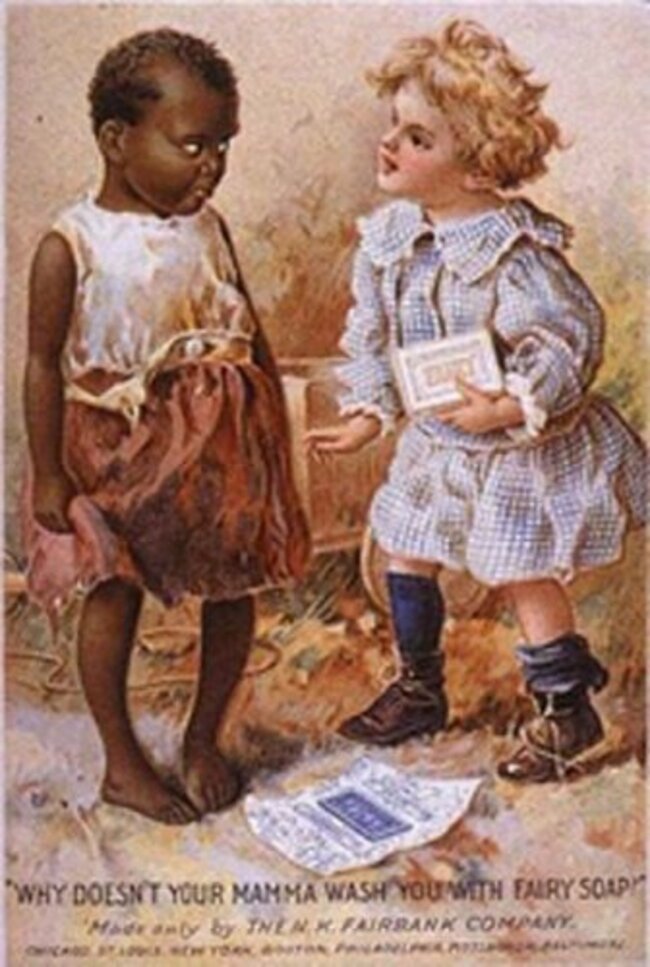
This ad for NK Fairbank Company’s Fairy soap presents a black child as dirty and devoid of any positive qualities. It also admonishes the black mother and praises the young, white girl.
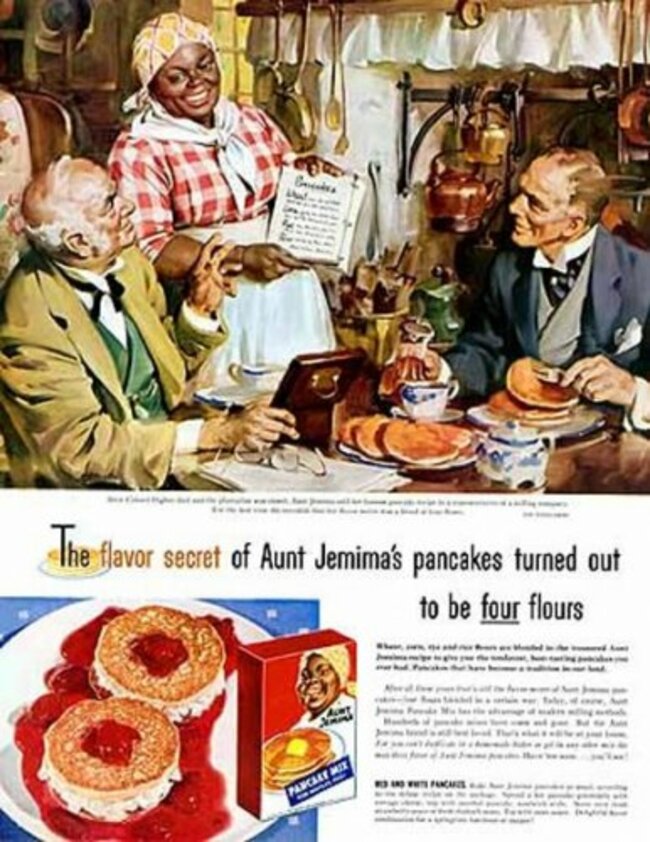
The Aunt Jemima brand was founded 26 years after the emancipation proclamation. Years later, their ads were still laced with racist iconography. Although Jemima had a positive quality – her food was always good – the tone was antebellum (black people are domestic servants).
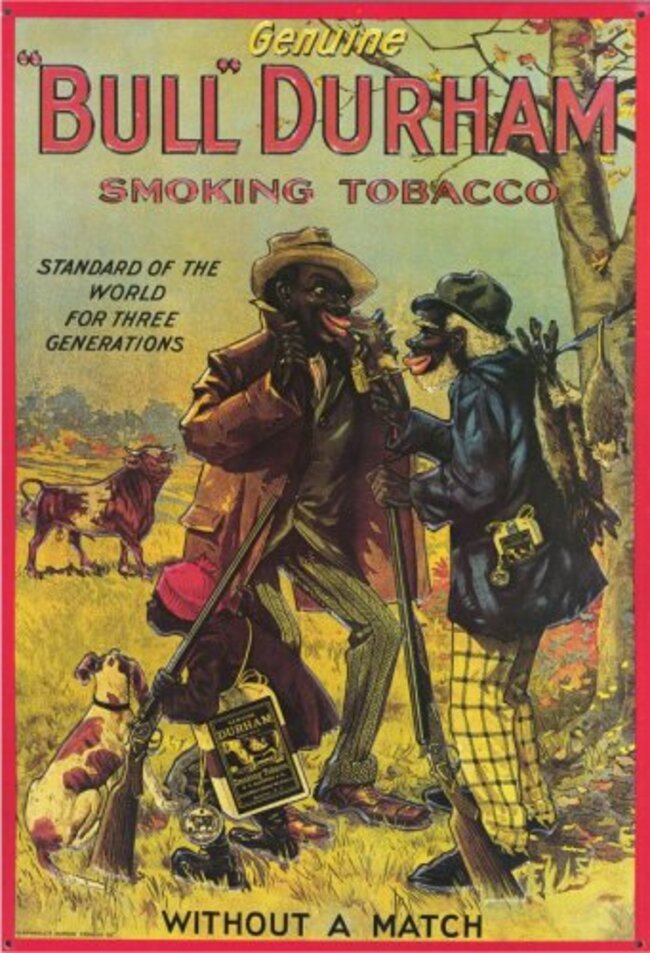
At the turn of the century, Bull Durham tobacco still portrayed black Americans with exaggerated features.
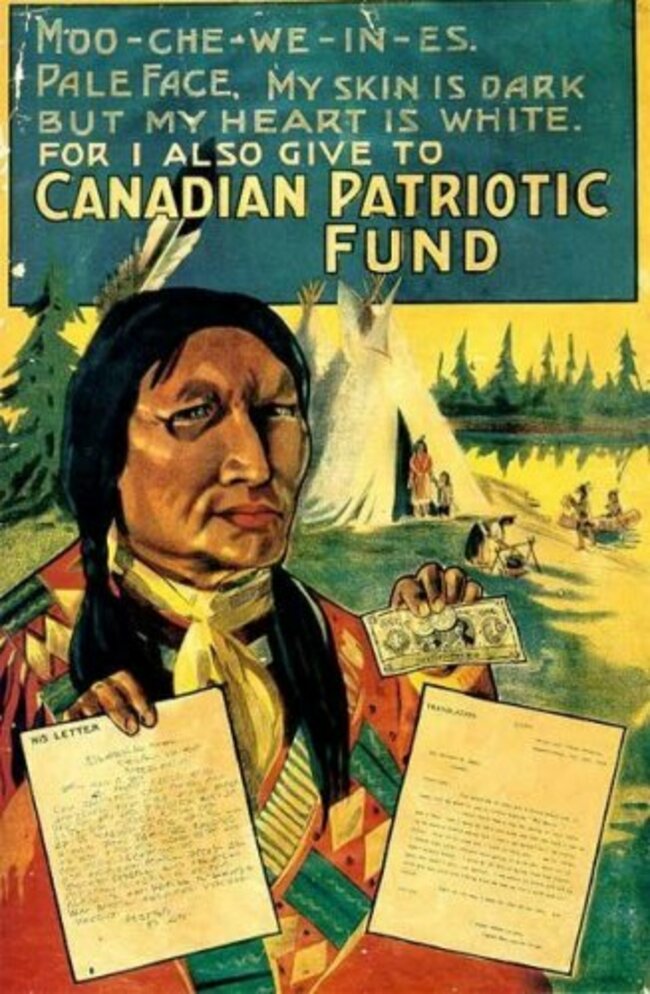
The Canadian Patriotic Fund raised money for soldiers’ families. The use of the stoic, noble native America (or Indian back then) would persist in advertising for decades.
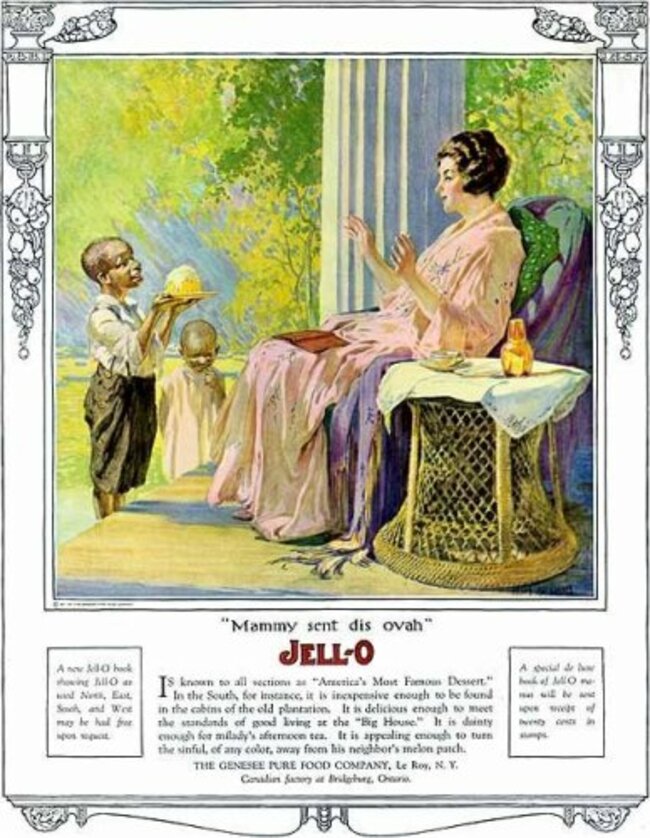
“Mammy sent dis ovah,” is the text given to the young black boy in the image. The last line of text reads, “It is appealing enough to turn the sinful, of any colour, away from this neigbour’s melon patch.” The ad also references plantations and the Big House.
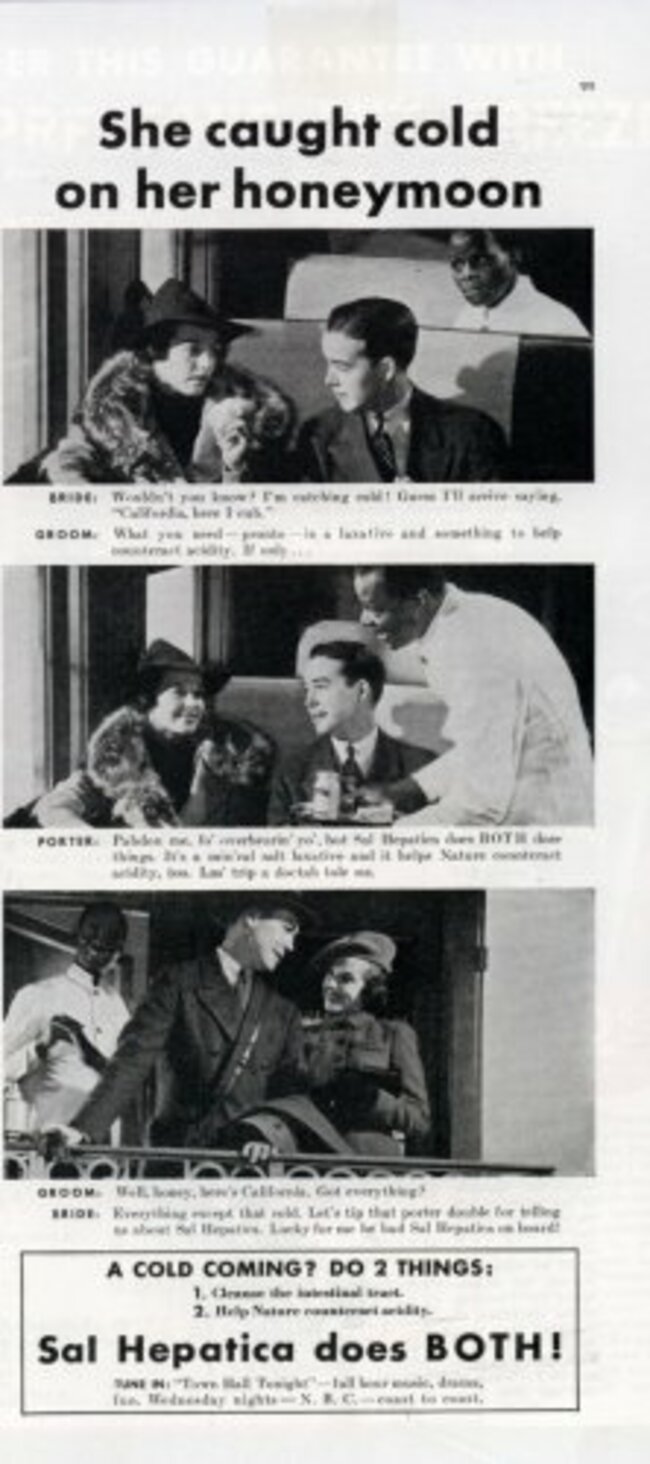
During the 1930s, the black servant stereotype was still prevalent but here he is serving medicine and has a paid job – this was actually progress.
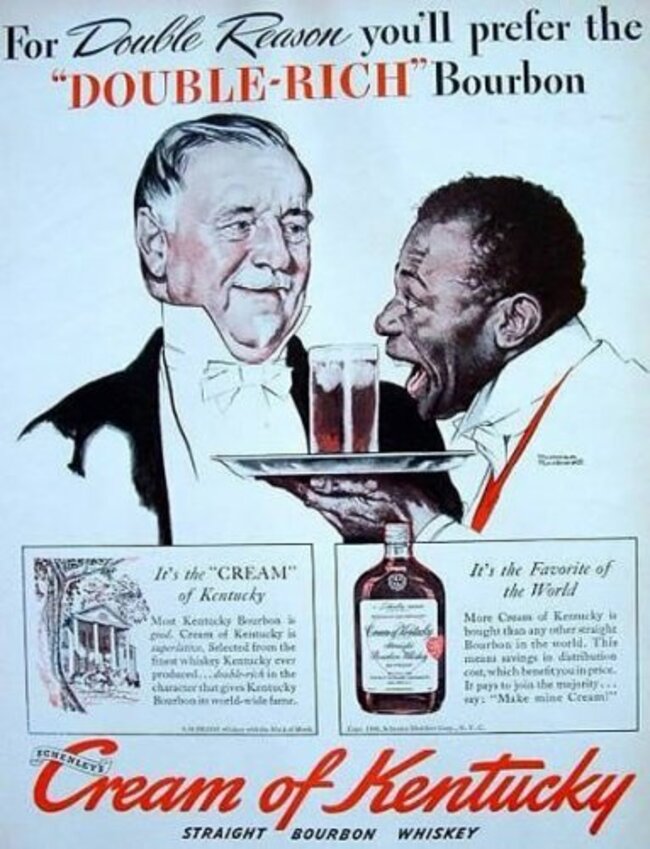
However, some brands tried to use nostalgia for the black domestic servant, particularly for brands with southern heritage.
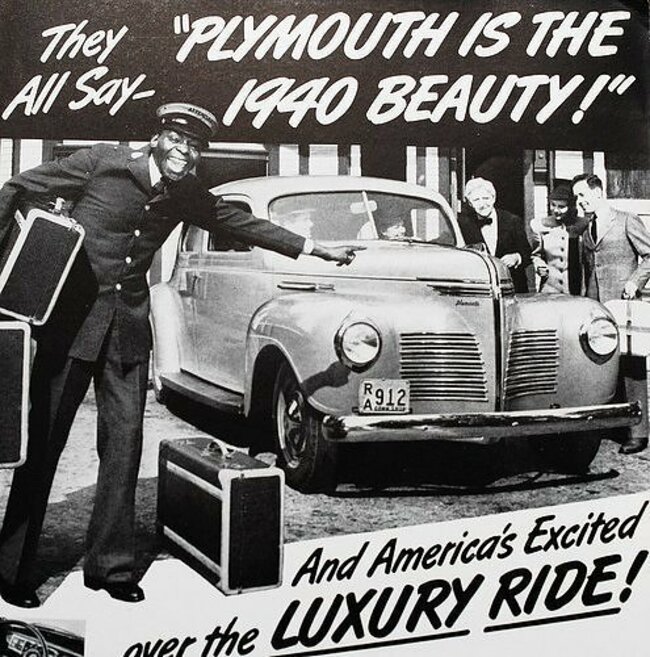
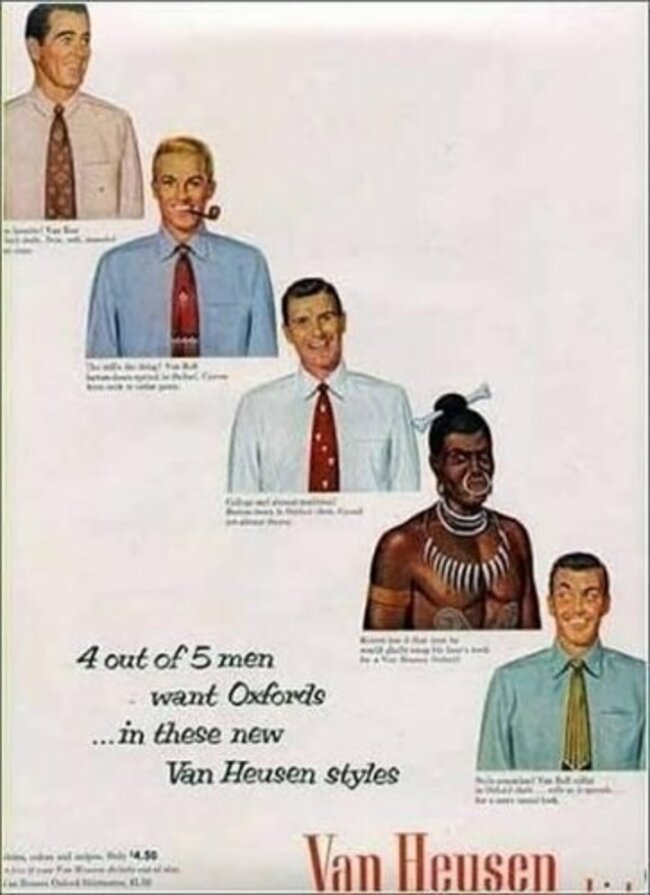
During the 1940s, black Americans were depicted as workers more and servants less. The ads were still pretty awful.
1952, Van Heusen
Foreigners were still fair game on Madison Avenue though.
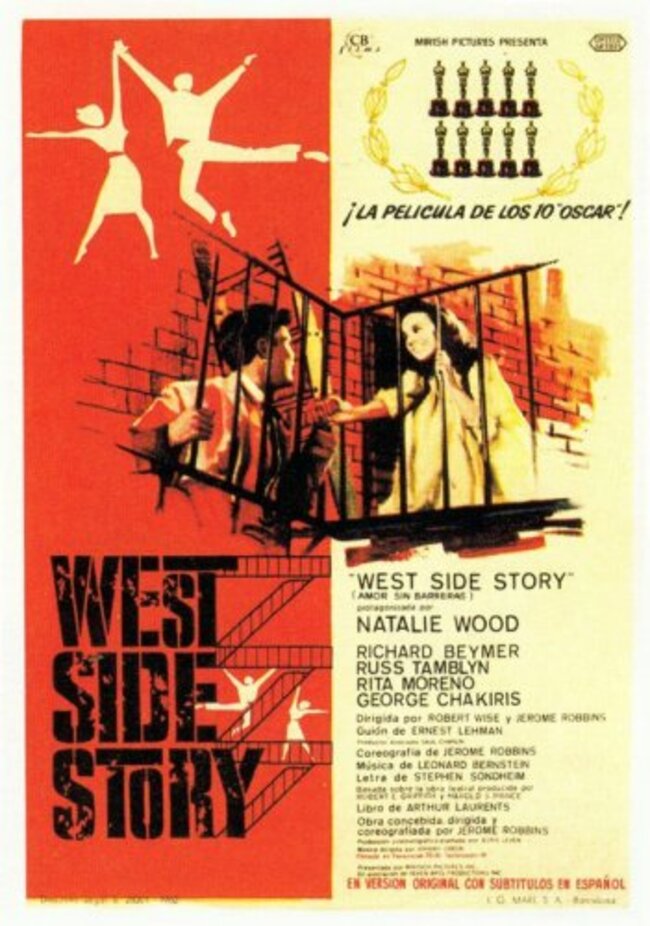
During the early-1960s, Hispanic immigration made its mark on commercial imagery. West Side Story had been a Broadway hit the previous decade and the movie poster brought it to the masses – along with the idea that Puerto Ricans were knife-wielding urban romantics who hang their laundry on the fire escape.
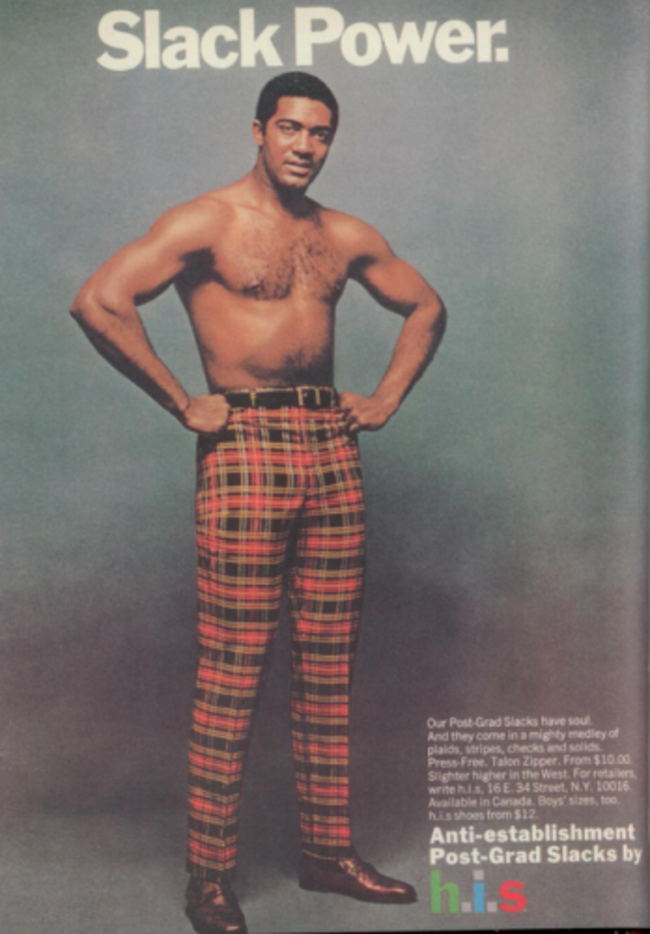
A black man is presented as an ideal sex object – a positive change for American advertising. However, the ‘Mandingo’ (a 1970s film) stereotype of a super-virile black male, naked from the waist up, will now emerge as a recurring theme in US commercials.
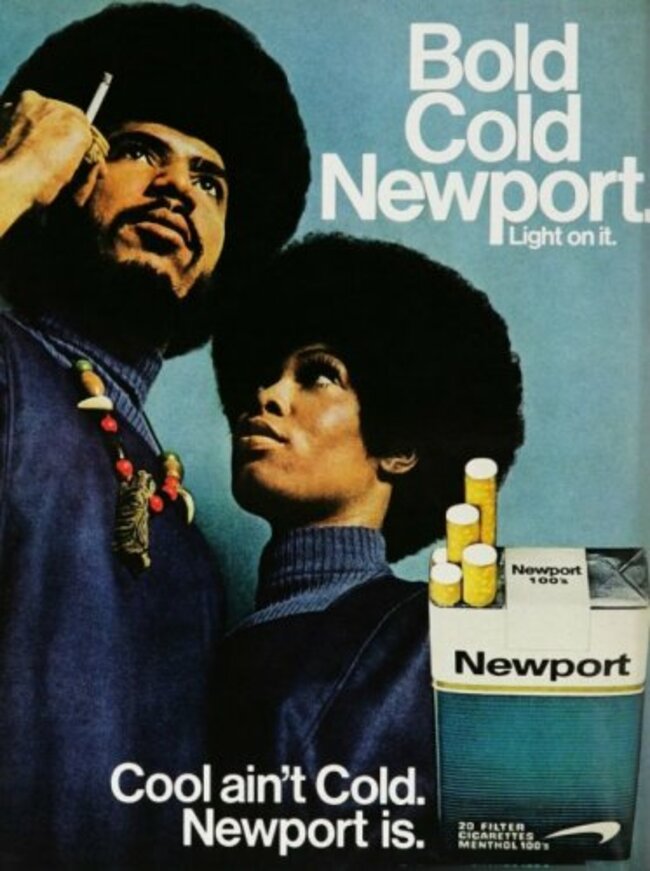
This famous and iconic ad is often laughed at because of its so-called ‘blaxploitation’. But it does borrow Black Power themes and portrays black Americans as strong, sexy characters – a direct result of the civil rights struggle that defined the US in the previous decade.
(YouTube Credit: coffeekid99)
This was a mixed bag in terms of the race story. Although ‘The Crying Indian’ relies on the noble Indian stereotype, it is also notable because it represents an American minority as a superior ideal to the polluting white majority.
(YouTube Credit: Mike Stevens)
This ad was produced by Godfather’s Pizza while Herman Cain was CEO. In its defence, you could argue that you can only get the joke if you realise it is poking fun at racial stereotypes.
(YouTube Credit: pholly1)
President George H.W. Bush’s infamous ‘Willie Horton’ ad (attacking Democratic candidate Michael Dukakis) became the very definition of a negative election ad. It relied on a scary tale about a black prison inmate — and defined the debate about race and political attack ads for a generation. Tellingly, it made race a dangerous issue for candidates to address in ads.
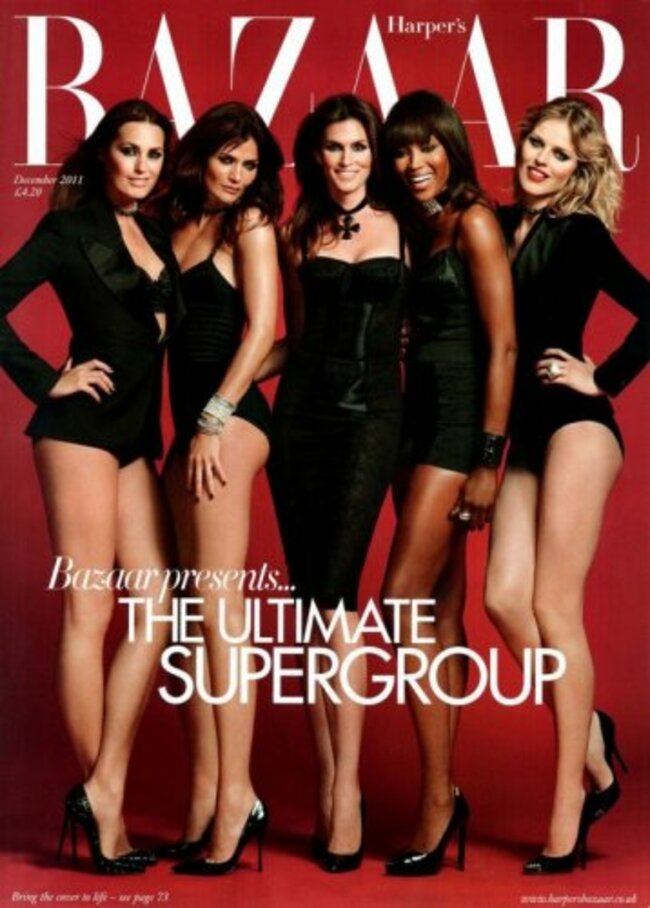
This recent cover of 1990s super models looks unremarkable today. But back in 1991, when Naomi Campbell first began making ads for Gianni Versace, the notion that a black woman could front an international fashion brand was revolutionary.
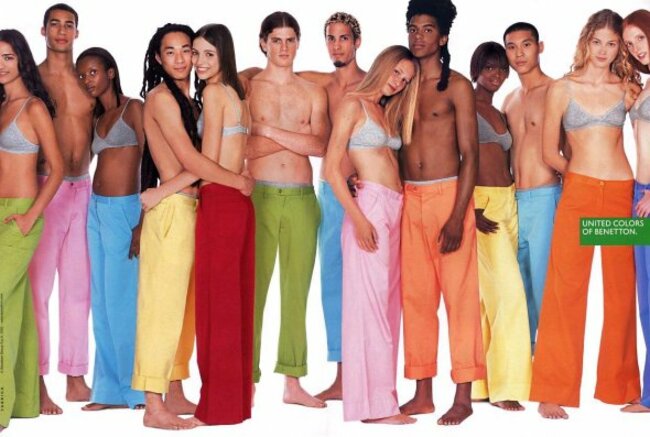
Benetton’s multi-racial advertising became a politically correct cliché during the 1990s — and the de facto standard for racial representation in ads. Today, it is unusual if a major brands does not use Asian, Hispanic and black models in its ads.
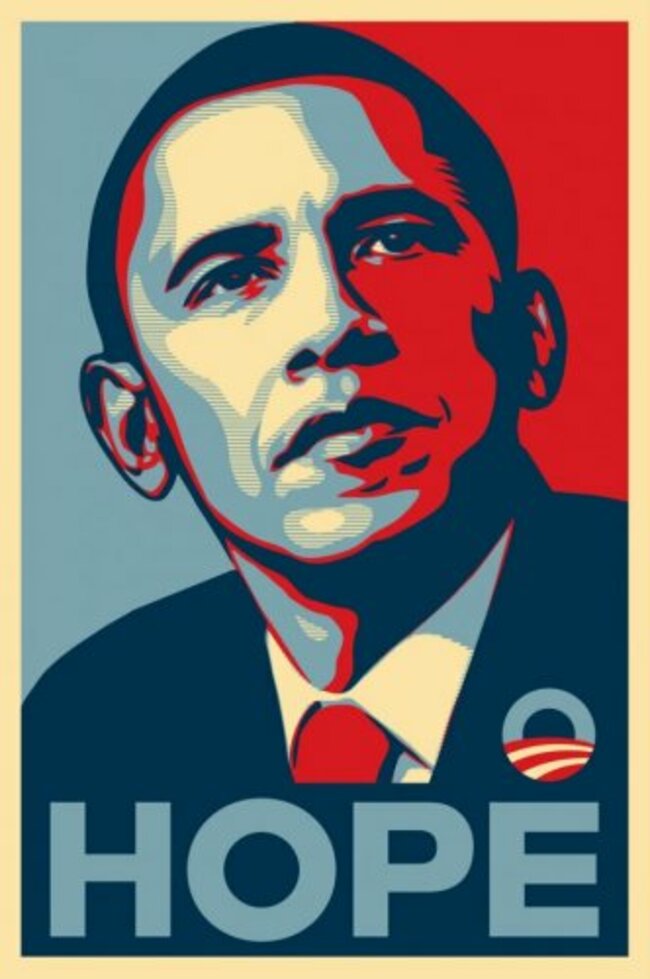
Shepard Fairey created this image (based on an AP photo) of Barack Obama to support the candidate’s bid for the Democratic nomination for president. At the time, many people believed America was ‘not ready’ for a black president. The poster was part of the campaign that proved those people wrong — and it remains one of the most powerful political images of the early 21st century.
(YouTube Credit: OldSpice)
Old Spice Guy is the ne plus ultra of the post-racial American ad campaign. Everyone loves him. No one cares about his race. But…a cynic might point out that he appears the same way as 1969′s ‘Slack Power’ guy. Hmm.

To embed this post, copy the code below on your site















have your say