Sign in. It’s quick, free and it’s up to you.
An account is an optional way to support the work we do. Find out more.
Sign in. It’s quick, free and it’s up to you.
An account is an optional way to support the work we do. Find out more.
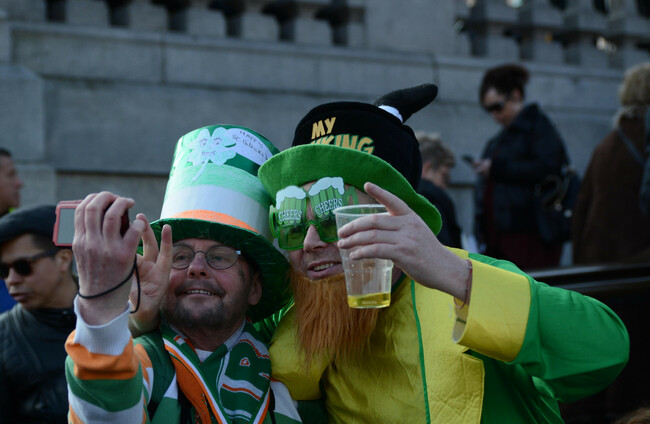
THE WORLD HEALTH Organisation (WHO) has said that they did not mean to “single out Ireland” after facing backlash to an alcohol awareness post shared to social media on St Patrick’s Day.
In the post on X, shared by WHO Europe on Monday, an Irish-themed matcha was described as “a fun alternative to the St Patrick’s Day beer”.
WHO Europe said that the drink was “an opportunity to reflect on the role of alcohol in our lives”.
“Alcohol can seem like part of the adventure, but what if the real adventure begins with less?” they added.
A link was also shared to a video made by WHO Europe featuring two Irish men, Johnny Coyne and Daniel Pryce Williams, describing how they overcame problems with alcohol.
A fun alternative to the St Patrick's Day beer!
— WHO/Europe (@WHO_Europe) March 17, 2025
And an opportunity to reflect on the role of alcohol in our lives.
Alcohol can seem like part of the adventure.
But what if the real adventure begins with less?
Watch Johnny and Daniel's 🇮🇪 story: https://t.co/O0ABq1W4j1 https://t.co/CKaUAS9dnx
A number of replies on X described the statement as “patronising”, stating that the post implied a link between Ireland and alcohol.
David McRedmond, CEO of An Post, said in a reply on X that the post was “racist” and that an “apology is in order” from the WHO.
In a statement today, WHO Europe said that the content was shared to remind people that alcohol is not an obligatory part of cultural celebrations, but one of many choices to mark important occasions.
“It was not meant to single out Ireland nor link the country to problems with alcohol,” a WHO Europe spokesperson said.
The spokesperson explained that the WHO European Region (in which Ireland is a Member State) has the highest rates of alcohol consumption of all six WHO regions globally, with adults consuming an average of 9 litres of pure alcohol per year.
“Ireland recognizes this fact, and is leading the way in alcohol-related harm reduction by becoming the first EU country to introduce comprehensive health labelling on alcohol products from 2026 onwards,” the WHO spokesperson added.
Ireland ranks sixth in total alcohol consumption by adults in Europe, with the average Irish person drinking 12.7 litres annually.
The spokesperson explained that their social media post used the occasion of St Patrick’s Day to “share Johnny and Daniel’s story as an inspiring example of how young Irish people are leading the way” in changing attitudes towards alcohol across Europe.
“It takes courage to overcome the peer pressure associated with alcohol use regardless of one’s national identity,” they said.

To embed this post, copy the code below on your site















have your say