Sign in. It’s quick, free and it’s up to you.
An account is an optional way to support the work we do. Find out more.
Sign in. It’s quick, free and it’s up to you.
An account is an optional way to support the work we do. Find out more.
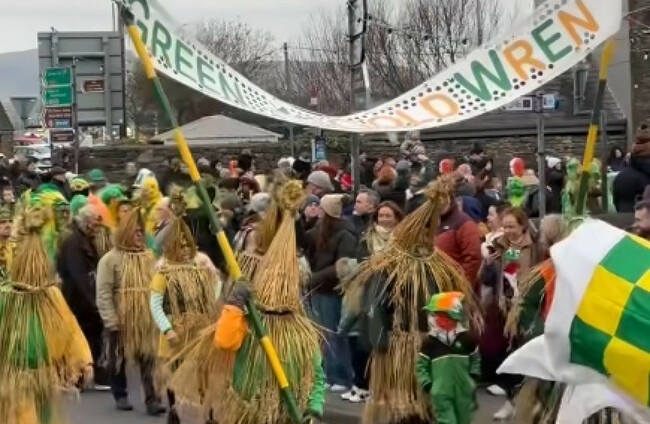
THE ANNUAL TRADITION of Wren Day has continued in towns and villages around Ireland today.
Every St Stephen’s Day, people don colourful costumes for Wren Day – or Lá an Dreolín – in certain parts of Ireland, notably in Kerry and the southwest, but also in parts of Dublin.
In Athea, Co Limerick, the local Wren Boys posted about their exploits: “Over 40years on the Wren. The batch keeps getting bigger.”
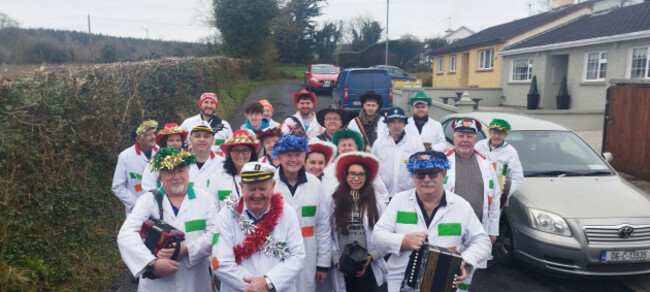
Wren Day has its origins in pre-Christian pagan times and the story of the wren has since been mixed in with that of St Stephen.
Tradition holds that it was the treacherous wren that betrayed St Stephen’s hiding place when he was evading death by stoning, that the wren betrayed Irish warriors to the Vikings, and even awoke Cromwell’s men just as the Irish were about to attack while they lay sleeping.
Groups of boys known as ‘wren boys’ would hunt for the wren on 26 December.
They would dress up in disguise, play music and go from door to door asking for donations to bury the wren.
The practice continues today, particularly in Dingle, where the wren boys continue to dress up and parade through the town, performing as they go and collecting money for charity.

To embed this post, copy the code below on your site















have your say