Sign in. It’s quick, free and it’s up to you.
An account is an optional way to support the work we do. Find out more.
Sign in. It’s quick, free and it’s up to you.
An account is an optional way to support the work we do. Find out more.
Updated 9.15pm
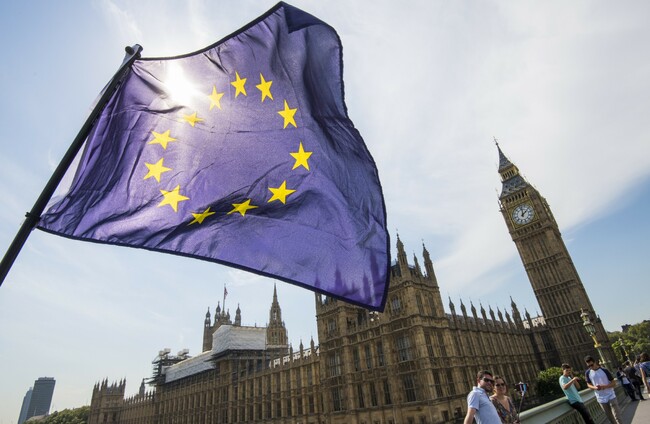
BRITISH PRIME MINISTER Theresa May today summoned her senior ministers for their first talks on leaving the European Union since the summer break amid reports of major divisions over how to proceed.
Following the meeting, Downing Street announced Britain will seek a “unique” deal on leaving the European Union.
The government wants to control immigration from the EU while retaining strong trading ties, despite warnings from other nations that single market access is incompatible with limits on the free movement of people.
“Several Cabinet members made it clear that we are leaving the EU but not leaving Europe, with a decisive view that the model we are seeking is one unique to the United Kingdom and not an off the shelf solution,” a Downing Street statement said after the cabinet meeting at Chequers, the premier’s country house northwest of London.
“This must mean controls on the numbers of people who come to Britain from Europe but also a positive outcome for those who wish to trade goods and services,” the statement added.
Finance minister Philip Hammond reportedly wants Britain to negotiate a deal that would allow Britain to stay in the EU single market, while other ministers who campaigned for Brexit favour leaving.
There is also confusion over the responsibilities of different government departments in any negotiations with Brussels, particularly between the foreign, international trade and Brexit ministries.
The cabinet meeting at Chequers, the premier’s country retreat northwest of London, is set to feature a brainstorming session on negotiating tactics with Brussels and key objectives.
Britain voted to leave the EU in a June referendum, prompting the resignation of May’s predecessor David Cameron, who led the campaign to remain in the 28-nation bloc.
While May herself also favoured staying in, she has since insisted that “Brexit means Brexit”.
Groundwork
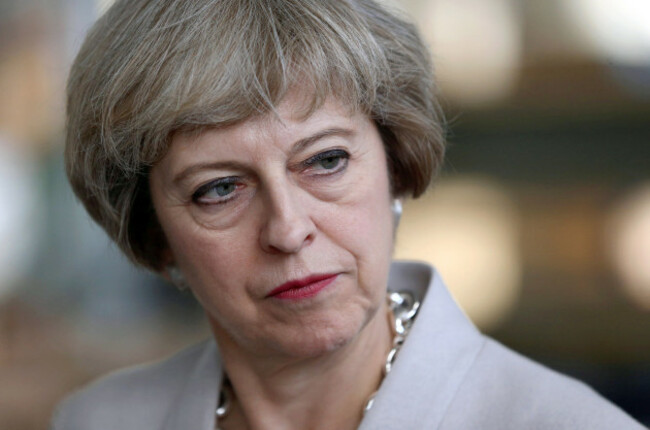
The new premier has appointed a trio of anti-EU ministers to the most important Brexit departments, including Boris Johnson as foreign minister.
However, she will not trigger Article 50 — the formal process for leaving the EU — before the start of next year, despite pressure from other European nations to move faster.
Speaking yesterday, May’s spokesman confirmed there would be no second referendum or snap general election, despite the hopes of some “Remain” campaigners that the process of leaving the EU could be stalled.

To embed this post, copy the code below on your site










have your say