Sign in. It’s quick, free and it’s up to you.
An account is an optional way to support the work we do. Find out more.
Sign in. It’s quick, free and it’s up to you.
An account is an optional way to support the work we do. Find out more.

MIGRANT WORKERS THAT are depended on in the home-care sector are subject to extremely challenging working conditions, the Migrant Rights Centre Ireland (MRCI) has said.
Ireland’s rapidly growing elderly population and the unregulated nature of the industry are placing unreasonable demands on workers.
The new review has shown that migrant women from outside the EU are over-represented in the home-care sector and are frequently subject to harassment, racism and discrimination.
Being made to work too many hours and being underpaid have also been identified as issues.
What is being said now?
Collating figures from the Central Statistics Office, the MRCI has said that someone turns 80 years old every 30 minutes in Ireland.
In 2011, 549,300 people in Ireland were aged over 65, a number expected to rise to 1.4 million by 2046.
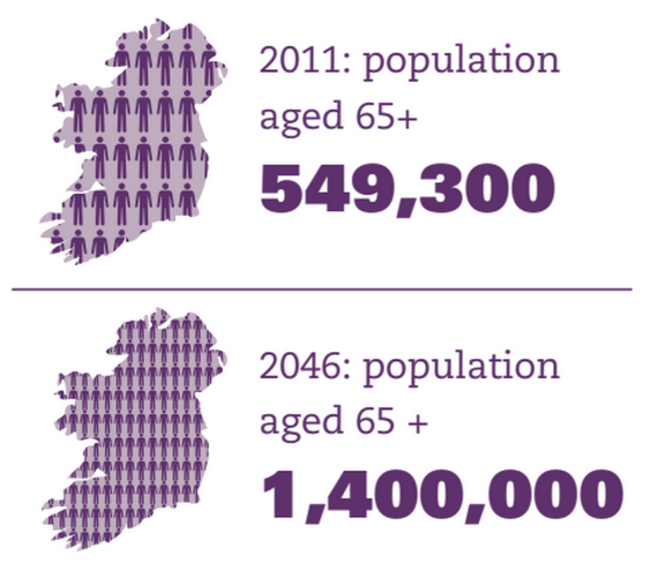
This makes Ireland the fastest ageing population in Europe.
Around 95% of Ireland’s 549,300 people aged over 65, many of who require home care, currently live in their own homes.
Migrant labour
Currently workers from outside of the EU can work if they are granted a permit to do so.
In 2009, the State stopped issuing permits for the domestic work sector as it was an area that was deemed to have been fulfilled.
New permits for domestic workers have since been granted but not in a large enough number to ensure a sufficient supply of labour.
As such a large number of “informal and irregular workers” are present in the sector.
Some of the issues that the MRCI’s consultations with home careworkers in 2015 highlighted were a lack of value placed in care workers; tight work schedules with multiple locations; no budget being allocated for travel, transport expenses or time in transit; and discrimination and racism in the workplace not being addressed.
Case studies
Mercy
Mercy, a 52-year-old live-in carer from the Philippines, is an undocumented worker.
She works for a family in south Dublin caring for their elderly mother with dementia. Mercy works 17-hour days, six days a week, starting at 6 o’clock each morning to help the woman use the bathroom.
Mercy is a single mother and is unable to visit her children in the Philippines due to not having immigration papers.
“It’s a big sacrifice to make to leave my children, but I am the only one who can help give them a better life,” she said.
Esther
Esther, a 42-year-old home carer from Malawi is currently employed through a private company, although some of her clients are HSE patients.
She was paid €90 per day to work from 8am in the morning until 10pm in the evening caring for an older couple in their nineties.
The male patient she dealt with was required to wear a catheter and urinary sheath, something Esther was required to assist with even though she had not formal training and felt uncomfortable doing so.
Speaking about the work, she said, “They contacted me when live-in work came up because they knew they can’t get anyone else to do it. I was the easy target. I never raised a complaint about my conditions.”
After an Irish co-worker complained about the lack of an hourly rate the situation improved and Esther began to work 12-hour shifts

To embed this post, copy the code below on your site















have your say