Sign in. It’s quick, free and it’s up to you.
An account is an optional way to support the work we do. Find out more.
Sign in. It’s quick, free and it’s up to you.
An account is an optional way to support the work we do. Find out more.
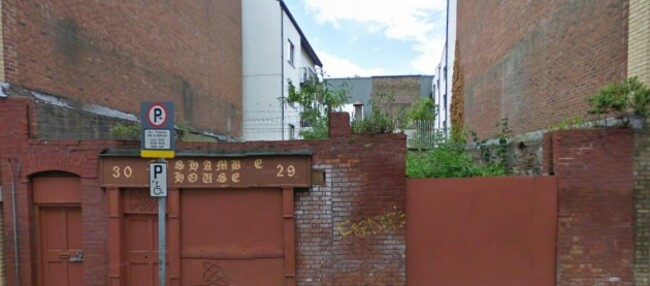
DUBLIN CITY COUNCIL is selling the site above for €150k to families interested in setting up their own ‘co-op’ housing development.
It’s part of their Dublin House initiative, which is run by DCC’s Housing Department through the City Architects Division.
The council wants to promote the potential of small scale residential development in the inner city and inner suburban areas of Dublin.
It believes three homes for three families could fit together on the site at 29 -30 Fishamble Street – and the co-op members would get to design their own homes.
A lottery system will be used to select the group who will get to buy the site.
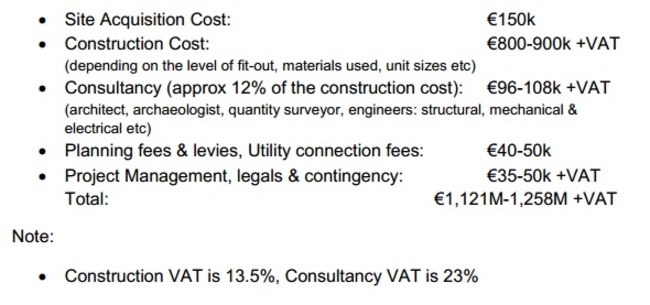
The cost to acquire the site? €150k.
Here’s more on the breakdown of costs:
How will it work?
The groups applying for the site must be able to prove they have the money for it – or that they can secure the mortgage.
The co-op residents should live in the apartments for at least 10 years, although they could go for a claw-back option if they sell before then.
People who are interested can contact Dublin House; they then form a legal entity (a co-op) and the site is transferred to the co-op by DCC. The co-op sources funding as a group.
The co-op then engages a design team via Dublin City Architects, and gets planning permission for an agreed design.
Then the building starts – the co-op pays the contractor in stages as the property is built.
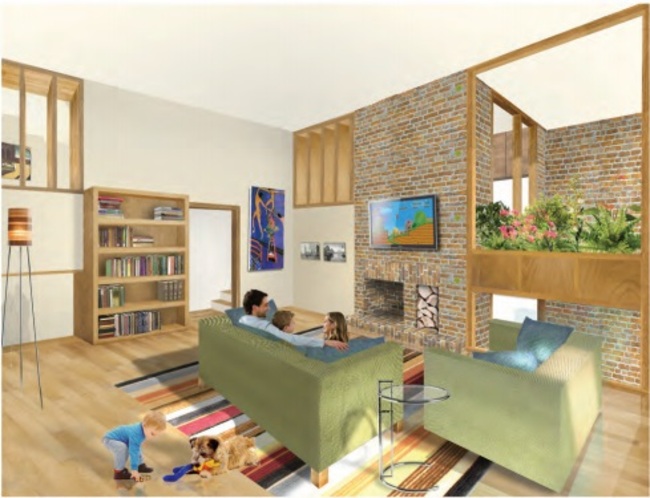
[image alt="pic 2 coop" src="http://cdn.thejournal.ie/media/2014/07/pic-2-coop-358x500.jpg" width="358" height="500" title="" class="alignnone" /end]
Dublin House says that the plan offers the opportunity to live in the city centre, have the freedom to decide what sort of home you want, and build it within your budget. It also says that the idea “is economical and sustainable”.
The site is approximately 127m2 and the building dates from the 18th century. Because it’s in such a historic area (early Viking settlement was here, and Dublin’s oldest house is also on the street), an archaeologist will have to come on board during the design, planning, and construction stages.
People who are interested in this site can find more information, and the contact details, here.
All images from the Dublin House brochure.

To embed this post, copy the code below on your site













have your say