Sign in. It’s quick, free and it’s up to you.
An account is an optional way to support the work we do. Find out more.
Sign in. It’s quick, free and it’s up to you.
An account is an optional way to support the work we do. Find out more.
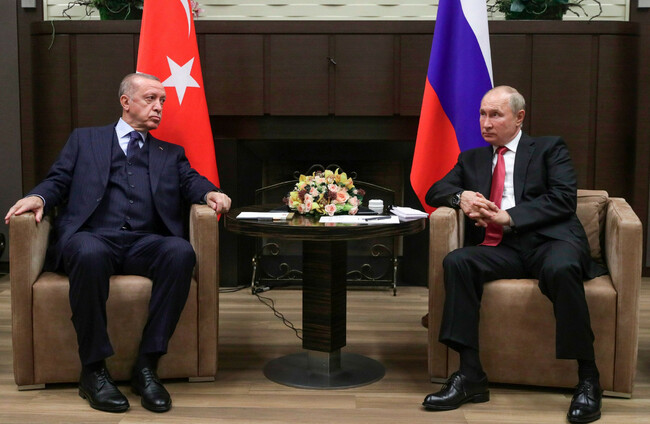
RUSSIAN PRESIDENT VLADIMIR Putin has said a deal that allowed Ukraine to export grain safely through the Black Sea will not be restored until the West meets its obligations to facilitate Russian agricultural exports.
Putin made the statement after talks with Turkish President Recep Tayyip Erdogan, who helped broker the deal seen as vital for global food supplies, especially in Africa, the Middle East and Asia.
Ukraine and Russia are major suppliers of wheat, barley, sunflower oil and other goods that developing nations rely on.
But Russia refused to extend the deal in July, complaining that an agreement promising to remove obstacles to Russian exports of food and fertiliser had not been honoured.
It said restrictions on shipping and insurance hampered its agricultural trade even though it has shipped record amounts of wheat since last year.
Putin said that if those commitments were honoured, Russia could return to the deal “within the nearest days”.
He also said that Russia is close to finalising an agreement to provide free grain to six African countries.
The Russian leader added that Russia will ship one million metric tons of cheap grain to Turkey for processing and delivery to poorer countries.
The two leaders met in Russia’s Black Sea resort of Sochi today, where the Russian President has a residence.
The meeting takes place against a backdrop of more than 18 months of war and Ukraine’s recent counter-offensive.
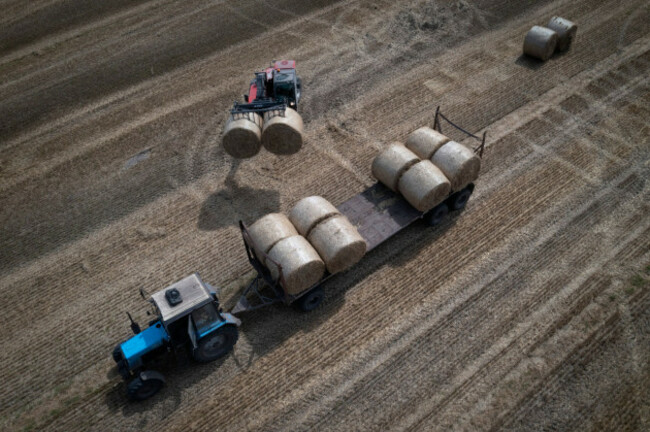
Data from the Joint Coordination Centre in Istanbul, which organised the Ukraine shipments, shows that 57% of the grain from Ukraine went to developing nations, with the top destination being China, which received nearly a quarter of the food.
Erdogan angered Moscow in July when he allowed five Ukrainian commanders to return home. The soldiers had been captured by Russia and handed over to Turkey on condition they remain there for the duration of the war.
Putin and Erdogan – authoritarian leaders who have both been in power for more than two decades – are said to have a close rapport, fostered in the wake of a failed coup against Erdogan in 2016 when Putin was the first major leader to offer his support.
Erdogan has indicated sympathy over Putin’s position. In July, he said Putin had “certain expectations from Western countries” over the Black Sea deal and that it was “crucial for these countries to take action in this regard”.
UN Secretary-General Antonio Guterres recently sent Russian foreign minister Sergey Lavrov “concrete proposals” aimed at getting Russian exports to global markets and allowing the resumption of the Black Sea initiative.
But Lavrov said Moscow wasn’t satisfied with the letter.
Describing Turkey’s “intense” efforts to revive the agreement, Turkish foreign minister Hakan Fidan said it was a “process that tries to better understand Russia’s position and requests, and to meet them”.

To embed this post, copy the code below on your site











have your say