Sign in. It’s quick, free and it’s up to you.
An account is an optional way to support the work we do. Find out more.
Sign in. It’s quick, free and it’s up to you.
An account is an optional way to support the work we do. Find out more.
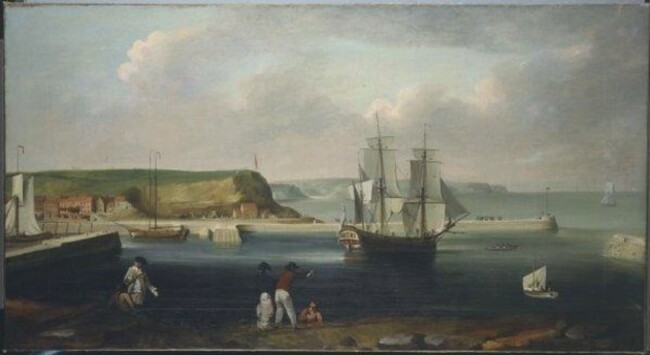
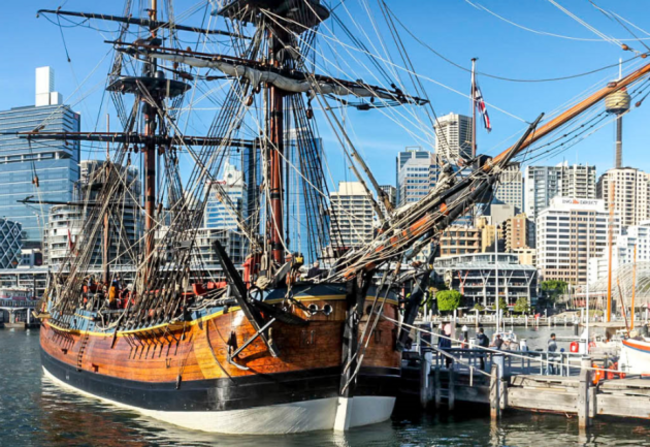
OCEAN SCIENTISTS HAVE positively identified a shipwreck located off the American coast as the legendary HMS Endeavour.
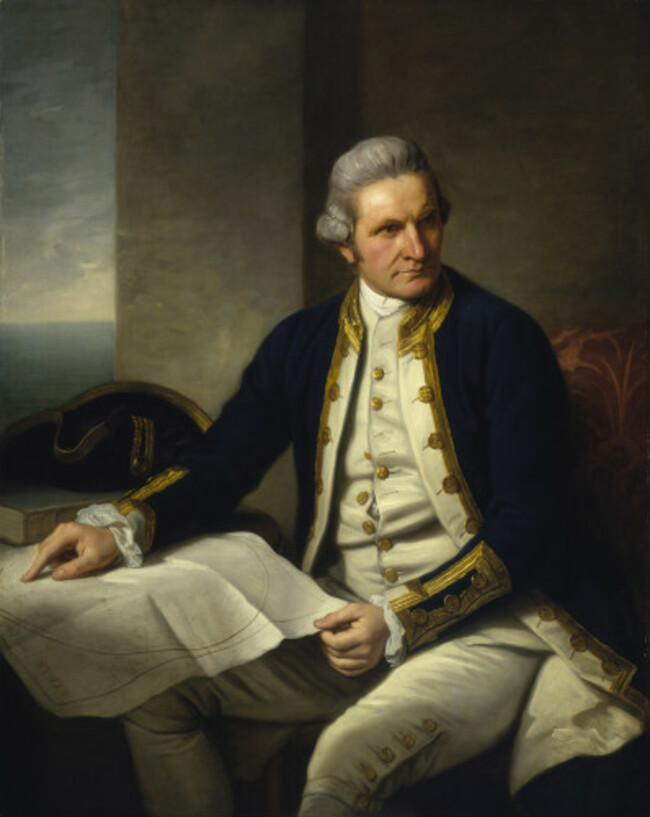
The Endeavour was the world-famous ship captained by legendary British explorer James Cook as he charted the unknown south Pacific Ocean in the late 18th century.
The famous ship was subsequently renamed the Lord Sandwich and saw action in the American revolutionary war before being scuttled by the British admiralty in 1778.
In three voyages Cook sailed thousands of miles across the globe in the Endeavour. The explorer died in Hawaii on Valentine’s Day 1779. He was the first explorer to make landfall on the east coast of Australia, and is commonly perceived to have shaped the world’s map to a greater extent than any other explorer.
For years the last whereabouts of the Endeavour have been a mystery. Until now. The Rhode Island Marine Archaeology Project (RIMP) says it has identified the shipwreck in Newport Harbour, off the coast of north-eastern state Rhode Island.
“Lord Sandwich was the first lord of the admiralty at the time so the name makes sense,” Dr Kathy Abbass of RIMP told CNN.
We know from its size, dimension and these records that the Sandwich was the Endeavour.
The RIMP say that the Endeavour’s wreckage lies among that of 12 other vessels at the entrance of the harbour, scuttled in an attempt to block access to the mainland during the Battle of Rhode Island in 1778.
“The American army was assembled on the mainland and the French sent a fleet to help,” says Abbass.
The British knew they were at great risk so they ordered 13 ships out to be scuttled in a line to blockade the city. They were sunk in fairly shallow waters.
The RIMP says the Endeavour lies among a group of five ships at the bottom of the harbour, with the other seven ships spread across a further eight sites.
The group is now planning a more in-depth exploration of the area and “a more intense study of each vessel’s structure and its related artifacts”.

To embed this post, copy the code below on your site













have your say