TheJournal.ie uses cookies. By continuing to browse this site you are agreeing to our use of cookies. Click here to find out more »
Dublin: 10 °C Thursday 23 May, 2013

In numbers: Ireland’s growing recycling trend

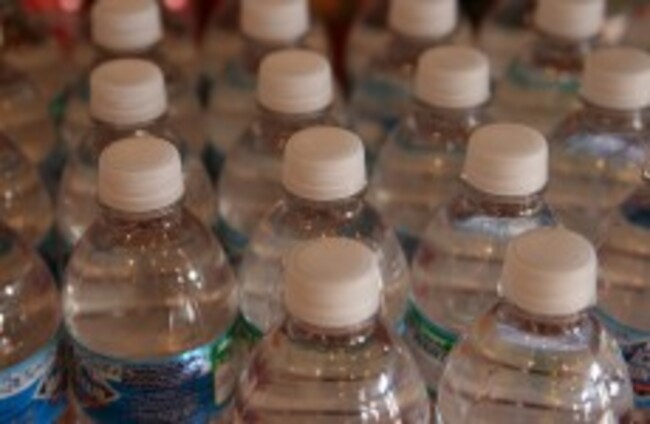
Some 208,000 tonnes of household packaged was recovered last year.

Image: quinn.anya via Creative Commons

ALMOST 10 PER CENT more packaging waste was recovered from Irish households last year than in 2010, according to the latest figures from Repak.

Repak funded the recovery 4.1 per cent more used packaging last year, or 652,000 tonnes in total – the equivalent of 3.37 billion 750ml cereal boxes or 1.2 billion plastic refuse sacks. Repak says that in carbon saving terms, the figure is equivalent to taking 250,000 cars off Irish roads for a year.

Ireland is currently ranked seventh out of the 27 EU member states for packaging recycling, according to Eurostat figures.

Here are the key figures for Irish recycling in 2011:

  • 208,000 – tonnes of household packaging recovered last year
  • 652,000 – tonnes of used packaging in total whose recovery Repak funded
  • 20.9 – percentage increase in tonnes of plastic recovered/recycled in 2011
  • 19.6 – percentage increase in tonnes of aluminium recovered/recycled in 2011
  • 14 – percentage increase in tonnes of glass recovered/recycled in 2011
  • 20 – percentage decrease in tonnes of wood recovered/recycled in 2011
  • 56,000 – tonnes of Refuse Derived Fuel funded by Repack from contaminated paper and plastic
  • 65 – percentage increase in Refuse Derived Fuel since 2010
  • 26.1 million – euros spent by Repak in total on supporting packaging recovery last year
  • 253 million – euros invested by Repak members to support packaging recovery and recycling since its founding in 1997

Repak said that the increase in plastic packaging recovered reflects strong growth in Refuse Derived Fuel; the contaminated paper and plastic used to produce the fuel would have traditionally gone to landfill.

The recovery of used packaging in Ireland was the third-highest per head of population in the EU in 2009.

Repak CEO Andrew Hetherington said that the organisation welcomes changes to landfill charges introdued by the Minister for the Environment Phil Hogan for giving “greater clarity on waste strategy” and better support the economics of recycling.

However, he said that Repak’s funding support is under threat:

While we are confident Repak funding has helped again grow overall packaging recovery and recycling rates, 2011 was a challenging year for Repak.  Our scheme is being impacted by decreasing fee income, increasing recovery/recycling costs and the possibility of higher targets exacerbated by lack of enforcement.

Furthermore, the current PRI [Producer Responsibility Initiative] review, while welcome, adds further uncertainty around issues such as the introduction of a potential government imposed packaging tax and the possible introduction of a Deposit and Refund scheme for certain packaging waste types.

Read next:

Comments (8 Comments)

  • What it does not say how many tonnes were exported to Third world countries for recycling

    Reply
  • What’s the craic with the less wood? People using it as firewood?

    Reply
  • Great to see people recycling, but what people don’t realise is that most of the worlds recycled material goes to china.. (because their labour rates are amongst the lowest) Take a plastic bottle for example only the hard plastic cap is recycled, over all about 10% of material china received is recycled, the rest is dumped on the side of the road, read the award winning book called “when a billion chinese jump” if u don’t believe me:(

    Reply
    • Even worse than this statistic is the amount of monies raised by Repak from so called Members or manufacturers and no evidence whatsoever as to how their annual statistics are calculated or derived. If Manufacturer A who makes a perfume is a member they must display a Repak label on the carton in which the product is sold and on the peak inside which can Repak then accepts responsibility for recycling it.In other words the Manufacturer is off the hook and Repak rakes in the money. They then gather data from Members every year with respect to imports or sales and magically these figures are trended and published every year. The Government is happy and the EU is happy and everyone remains in complete ignorance. Even worse I am sure that the Government hands over money annually to this crowd as wee.
      Our roadsides and ditches and homes are still full of this material and we are now trending better than other EU countries!

      Reply
    • How much of *Ireland’s* recyclates go to China?

      My understanding is we don’t have the same problem with this as the US and other countries do.

      Reply
    • Interesting to see how much of our waste goes to china. If plastic was valued at 100 a tonne, they could ship it of to china and process it there less than what it would cost to process here.In reality the Chinese and places like Vietnam have no regulations in place and it’s ideal for rogue traders to make a killing at the expense of the environment over there. The only way for us to processes the stuff here is of we put a higher value on it and make it economical…that means taxing it per tonne. Waste companies here and any other western societies don’t care what happens to it once it leaves our shores. Google “great pacific garbage patch”

      Reply
  • Anybody know what’s meant by the two figures;
    56,000 – tonnes of Refuse Derived Fuel funded by Repack from contaminated paper and plastic
    65 – percentage increase in Refuse Derived Fuel since 2010
    As far as I know Irish waste veggie oil goes (thanks to stupid government tariffs and Larry Goodman’s greed) to the UK to be turned into bio-diesel. He gets paid for to do so then we buy it back. If YOU make bio-diesel you MUST pay 20ct duty for your efforts – per litre.
    I know (personally) some of the people making diesel-oil from waste plastic and they are nowhere near getting into production. The only other in the field sells the technology to Saudi Arabia (that speaks volumes).

    Reply

Add New Comment