Sign in. It’s quick, free and it’s up to you.
An account is an optional way to support the work we do. Find out more.
Sign in. It’s quick, free and it’s up to you.
An account is an optional way to support the work we do. Find out more.
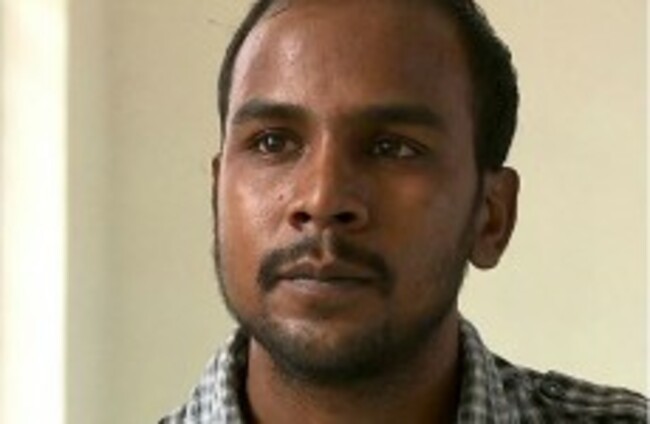
INDIA HAS BANNED the broadcast of a documentary in which one of the men who raped a woman on an Indian bus blamed the victim.
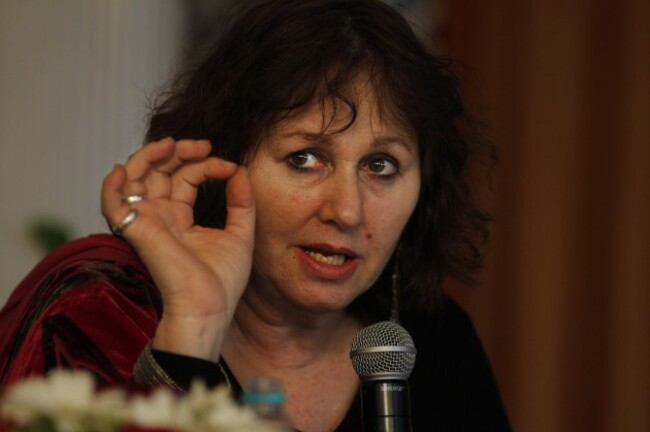
Leslee Udwin, the award-winning film maker behind the BBC/NDTV project, has called the banning of the film ”arbitrary censorship”.
Indian Home Minister Rajnath Singh told parliament the comments of Mukesh Singh, one of five men convicted over the 2012 attack in New Delhi, were “highly derogatory and an affront to the dignity of women”.
“The government condemns it,” he said of the documentary that was granted rare access to interview the prisoner on death row. ”It will not allow any organisation to leverage such an incident and use it for commercial purpose.”
Singh’s comments came after a New Delhi court late Tuesday issued an order banning media from showing the film, “India’s Daughter”.
The reasons for the court ban were not immediately clear, but some in India have expressed concern that a convicted rapist was being given a platform for his views.
Jyoti Singh died from her injuries 13 days after she was savagely attacked on a bus while on her way home from the cinema. The incident triggered violent protests in India.
The documentary shows Mukesh Singh claiming that the victim was beaten because she fought back during the rape.
Government spokesman Rajan Bhagat said the New Delhi police had petitioned the court for a ban on the grounds that the film’s “objectionable content” could cause public disorder.
The attack highlighted the frightening level of violence against women in the world’s second most populous country and led to a major reform of India’s rape laws, speeding up trials and increasing penalties.
‘Arbitrary censorship’
India’s NDTV network was due to have shown the documentary to mark International Women’s Day on Sunday, when it will also be broadcast in six other countries including the UK and Ireland.
Udwin said she was heart-broken by the ban on the documentary.
“I am sure, positive, that NDTV will fight this arbitrary censorship all the way, because it is an organisation that stands up for values, for public welfare and for the greater good,” she said.
“India is a country that values its rights and one of the most important of them is the freedom of speech, expression and that needs to be upheld.”
Udwin said earlier she had permission from both prison authorities and the home ministry to film inside the vast Tihar jail in Delhi for her documentary.
But Home Minister Singh said she had violated the terms of the agreement.
The documentary divided lawmakers, with many applauding the ban but others saying India must confront views such as the rapist’s — however abhorrent.
“Banning this movie is not the answer,” said Anu Agha, an independent MP.
“We have to confront the issue that men in India do not respect women and any time there is a rape, blame is put on the woman.”
Udwin says she believes the move would only serve to increase interest in her film.
“The more they try to stop the film, the more they are going to pique people’s interest,” she said. ”Now, everyone is going to want to see it.”

To embed this post, copy the code below on your site











have your say