Sign in. It’s quick, free and it’s up to you.
An account is an optional way to support the work we do. Find out more.
Sign in. It’s quick, free and it’s up to you.
An account is an optional way to support the work we do. Find out more.
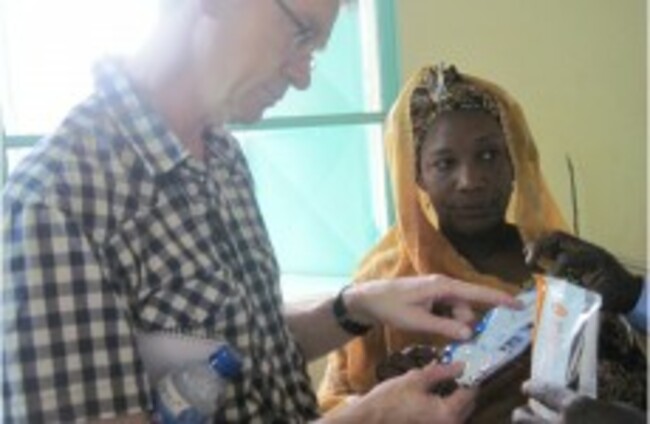
UP TO 13 million people in West Africa are at risk from a food crisis according to Plan Ireland CEO David Dalton, who is visiting the region.
Irregular rainfall and attacks from locusts have decimated crops across the region, he said, leaving families with nothing to eat.
“The rains are effectively two months late,” he wrote on his blog from Niger, “which exacerbates the food gap between the harvests.”
Six million people in Niger alone are at risk from hunger. Prices for all cereals in the country are well above the seasonal average for the past five years, according to the United Nations World Food Programme (WFP), with the country now short of 500,000 tonnes of cereal.
Elsewhere in the region, cereal production has fallen by 62 per cent and 50 per cent in Gambia and Chad respectively, according to this WFP explainer. In Mauritania, crop yields are 34 per cent below their 5-year average.
In this video, Dalton speaks from Tillaberi refugee camp, where 4000 Tuareg people are now dependant on handouts after the rains failed.
(via PlanIreland/Youtube)
“Seeing young children and babies suffering from severe malnourishment, de-pigmentation and swollen limbs from lack of food was, as always, absolutely shocking,” said Dalton.
“It leaves an indelible mark whenever you experience this and see young children suffering from starvation and hunger. When you see the fear etched on the faces of parents. Severely malnourished children lose the ability to express themselves and so a great emptiness replaces the smiles and inquisitive looks that should be on their face.”

To embed this post, copy the code below on your site















have your say