Sign in. It’s quick, free and it’s up to you.
An account is an optional way to support the work we do. Find out more.
Sign in. It’s quick, free and it’s up to you.
An account is an optional way to support the work we do. Find out more.
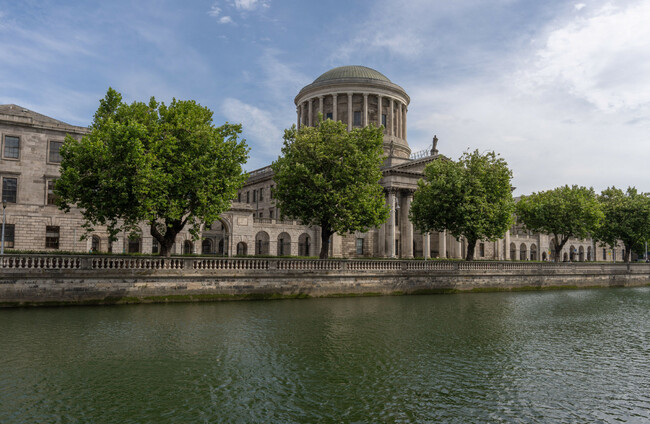
HIGH COURT JUDGE Ms Justice Denise Brett today opened Article 40 inquiries into the alleged unlawful detention of seven men who had been refused bail or allegedly had not received fair hearings in the District Court while unrepresented by solicitors.
Two of the applications granted for habeas corpus, which allows a higher court to inquire into the legality of a person’s detention, included two fresh cases in which Judge Brett’s colleague, Mr Justice Michael Twomey, had only three days ago had refused Article 40 relief.
In granting inquiries into the seven cases, which she will hear on Monday next, Judge Brett told barristers Michael O’Higgins SC and Coleman Fitzgerald SC she would do so only on the basis that the State authorities were informed in order to allow them put their views on the legal issues before the court.
Detailed written evidence and legal submissions had been put forward by both counsel in a marathon nine-hour sitting by Judge Brett. Although Judge Twomey had already denied two applicants in particular Article 40 applications the law allows fresh applications to be made before another fellow judge of the High Court.
Judge Brett was told that the applications were directly on a collision course with judgments handed down this week by Judge Twomey despite an existing competing judgment by Ms Justice Rose Gearty delivered within the last fortnight.
Judge Twomey had thrown out several applications earlier this week, one by Dublin man Stephen Ennis of Cashel Road, Crumlin, accused of having possessed an automatic pistol and ammunition, who claimed he had been unrepresented because of a dispute with the Department of Justice regarding legal fees.
He said there could be no criticism of solicitors choosing not to act for accused in the District Court where fees were low and then opting to act for them the following day in the High Court where fees could run into thousands of euros.
Mr O’Higgins argued before Judge Brett today that not all Article 40 applications attracted large fees as in order to get paid solicitors and counsel had to succeed. Lack of success often meant no fees.
Judge Twomey said the solicitor’s refusal to act for Mr Ennis for financial reasons was the very reason why Mr Ennis had not been represented in the District Court.
In her earlier judgment Ms Justice Hearty had heard 10 applications for Article 40 inquiries and had granted all of them on the basis the accused had not been given a fair hearing in the absence of legal representation.
After hearing all of the Article 40 applications Judge Brett said she would return them to Monday next at 11 o’clock when counsel on behalf of the State authorities involved could present their clients case.
She made orders for the production of Digital Audio Recordings of all of the case she had heard today, adding that if the cases could not be dealt with on Monday they would be heard with the shortest possible delay.
To embed this post, copy the code below on your site














have your say