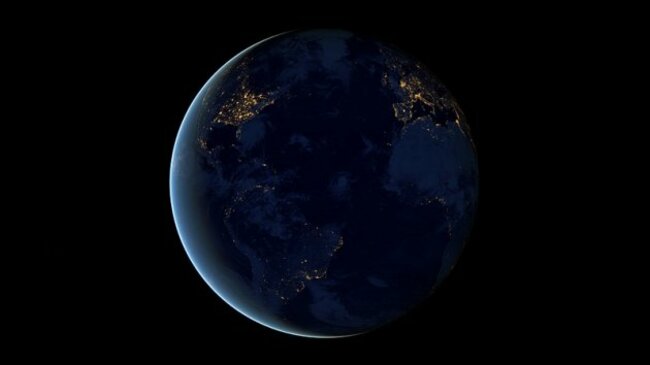
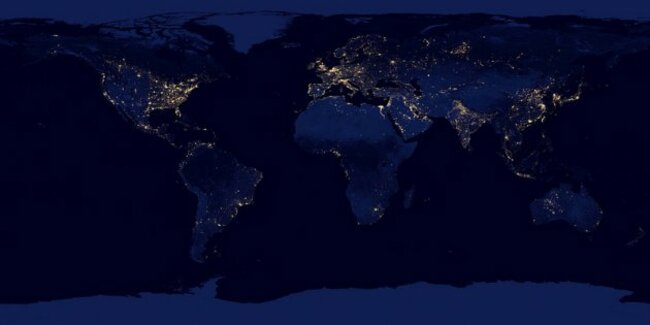
IN 1972, NASA astronauts took the now-famous image of Earth called Blue Marble, showing the planet as seen from the window of the Apollo 17 spacecraft.
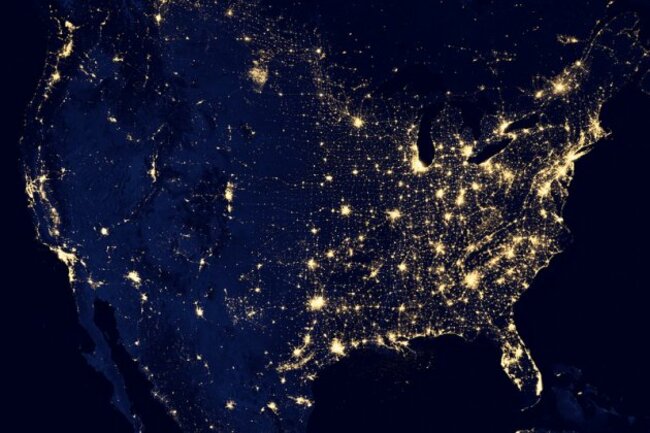
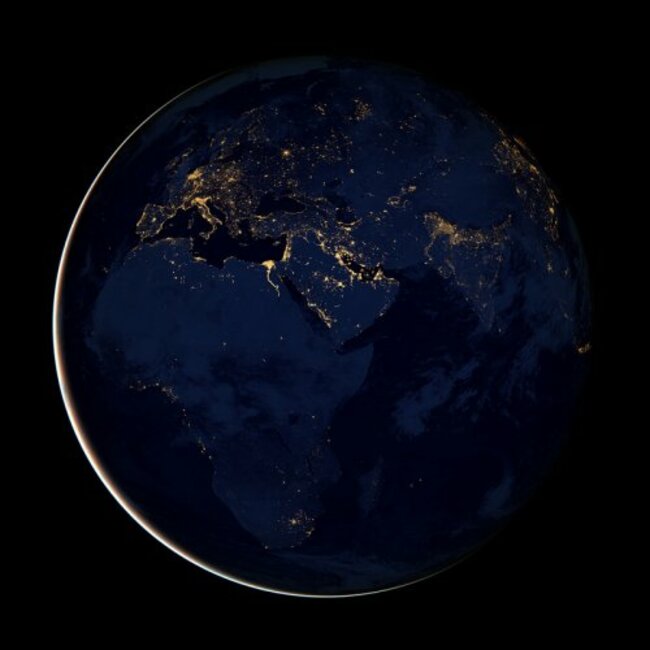
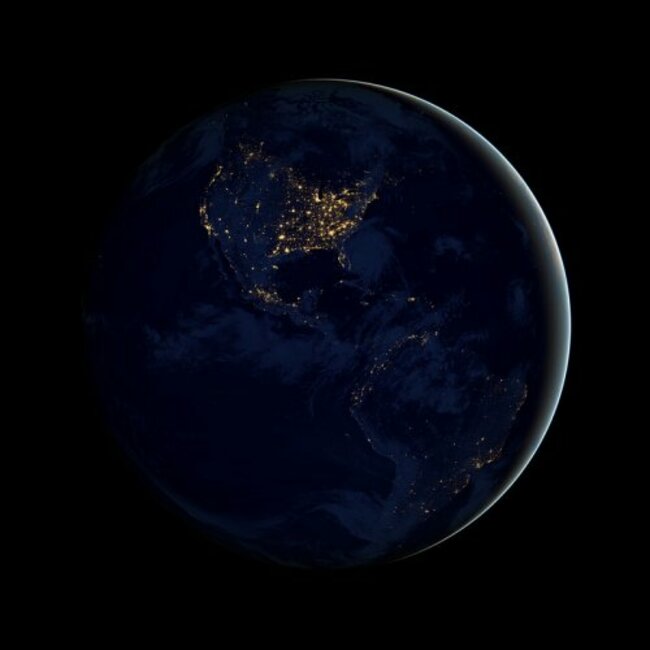
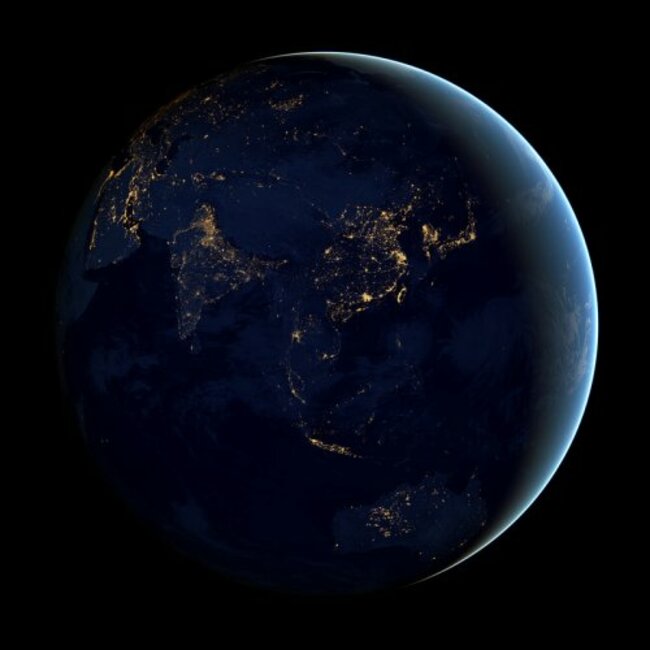
Forty years later, NASA have replicated the feat – except this time the images show the Earth at night-time.
The images, which have already been nicknamed ‘Black Marble’, are a composite of data acquired by an orbiting satellite which used newly-designed equipment to collect the detailed view of the earth at night. The images were taken over a period of months to provide a realistic view of the planet.
The lights that can be seen aren’t just electric: the satellite also picked up the light from wildfires across western Australia, brightly-lit boats along the Nile, and flares from oil rigs drilling in the Middle East.
Here’s how it looks:


(All images: NASA Goddard Photo and Video/Flickr)
And here’s a video showing the view of the earth:
(Video: NASA explorer/YouTube)
Read: Life on Mars? Maybe not. NASA rows back on findings >
Read: NASA: Closest planet to sun, Mercury harbours ice >
Read: You might help crowdfund an album – but what about some scientific research? >


Comments (19 Comments)