Sign in. It’s quick, free and it’s up to you.
An account is an optional way to support the work we do. Find out more.
Sign in. It’s quick, free and it’s up to you.
An account is an optional way to support the work we do. Find out more.
IN 1972, NASA astronauts took the now-famous image of Earth called Blue Marble, showing the planet as seen from the window of the Apollo 17 spacecraft.
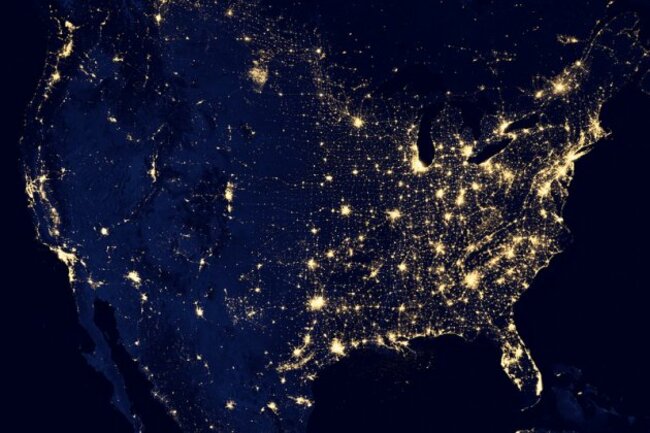
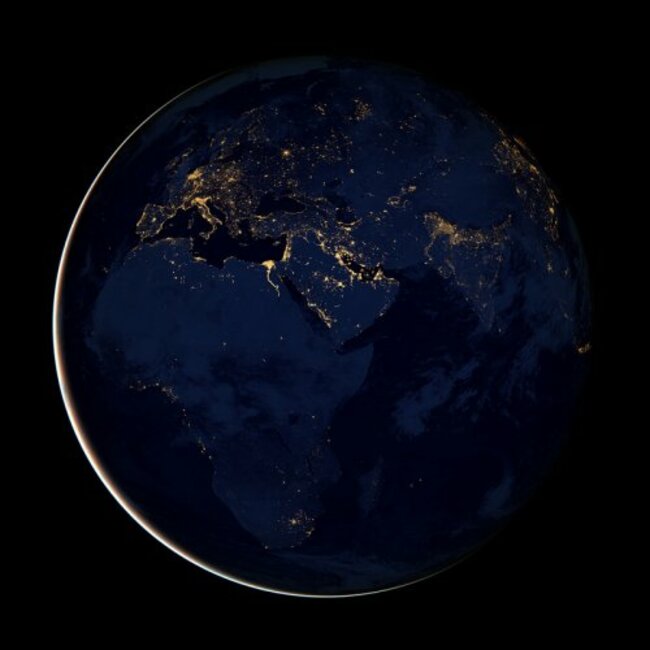
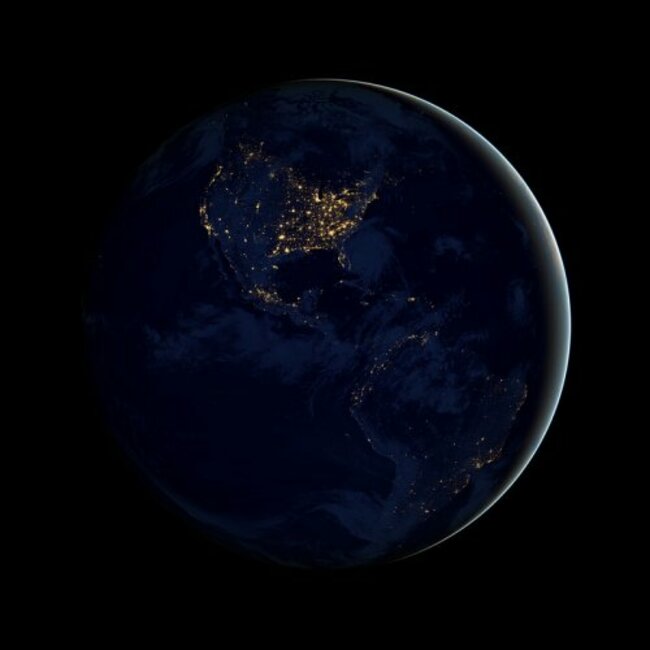
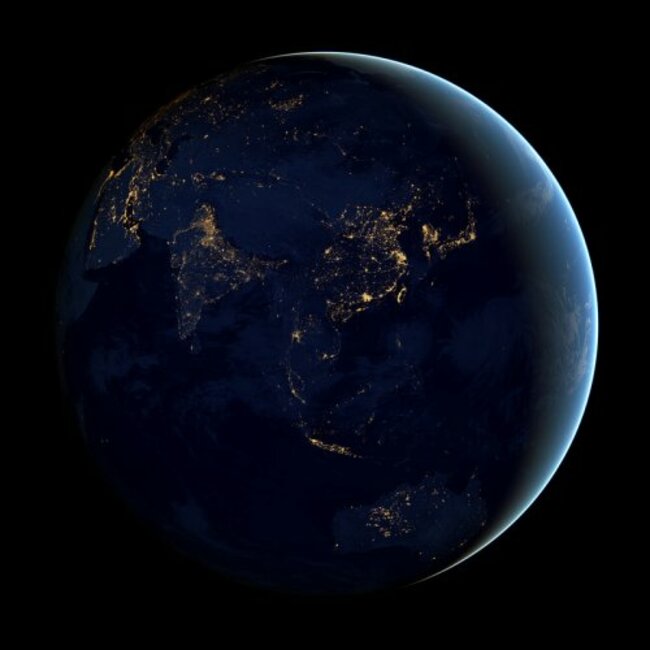
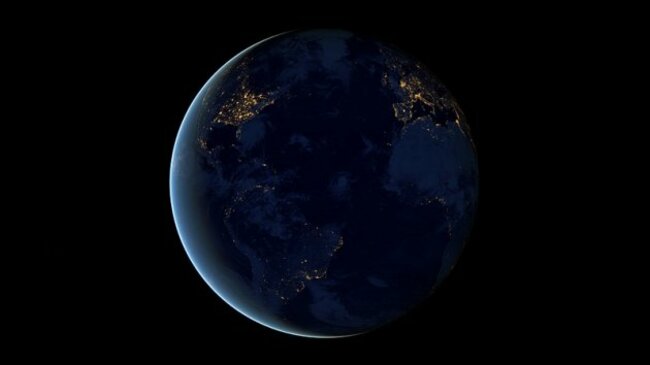
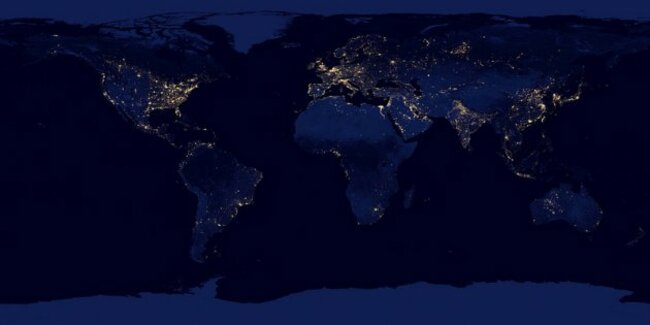
Forty years later, NASA have replicated the feat – except this time the images show the Earth at night-time.
The images, which have already been nicknamed ‘Black Marble’, are a composite of data acquired by an orbiting satellite which used newly-designed equipment to collect the detailed view of the earth at night. The images were taken over a period of months to provide a realistic view of the planet.
The lights that can be seen aren’t just electric: the satellite also picked up the light from wildfires across western Australia, brightly-lit boats along the Nile, and flares from oil rigs drilling in the Middle East.
Here’s how it looks:
(All images: NASA Goddard Photo and Video/Flickr)
And here’s a video showing the view of the earth:
(Video: NASA explorer/YouTube)

To embed this post, copy the code below on your site













have your say