Sign in. It’s quick, free and it’s up to you.
An account is an optional way to support the work we do. Find out more.
Sign in. It’s quick, free and it’s up to you.
An account is an optional way to support the work we do. Find out more.
LAST UPDATE | 12 Aug
THE PEAK OF one of the most significant astrological events in decades has now passed, and millions of people got to witness it.
At 7.10pm in Ireland, the Moon covered the Sun almost completely, blocking its light and casting darkness over the country. It remained visible until around 8pm.
Thousands gathered to watch it happen, including in Dublin’s Phoenix Park, Queen’s University Belfast and Armagh Observatory.
Up to 98% obscuration of the Sun was predicted in the southwest of the country. It was expected to be about 94% in Dublin.
Elsewhere, Spain and Iceland experienced a full solar eclipse, where the Sun was completely obscured by the Moon.
Hello and welcome to our coverage of this evening’s solar eclipse.
It will be visible just after 6pm in Irish skies with maximum coverage of the sun occurring shortly after 7pm.
Ahead of the rare celestial event, we’ll be bringing you everything you need to know about how to see it safety, where you can view it and how people in other European countries are gearing up to witness it.
In case you’re wondering, what actually is a solar eclipse, we’ve got you covered.
A solar eclipse occurs because sunlight shining on the Moon creates a shadow that falls on the Earth.
It’s linked to the alignment of the Sun, Moon and the Earth in the solar system. The position they align in determines the type of eclipse.
Solar eclipses happen only during a new moon and require the moon and sun to be aligned on the same side of Earth.
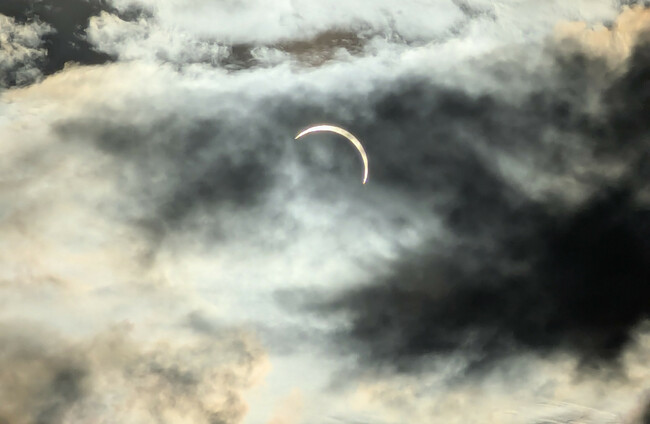
At the peak, there will be a very thin solar crescent as more than 90% of the Sun will be obscured. It will get visibly darker during the peak of the eclipse. From the ground, you will see the sky turn dark and a bright ring of the Sun’s atmosphere appear in the sky.
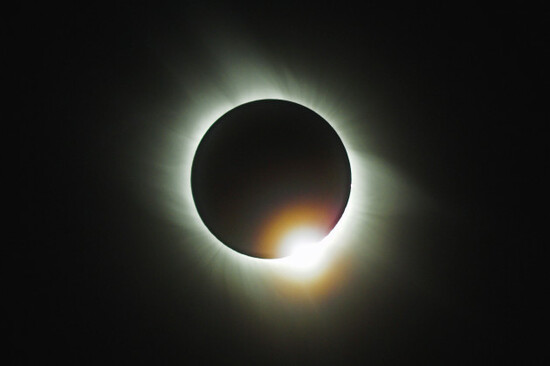
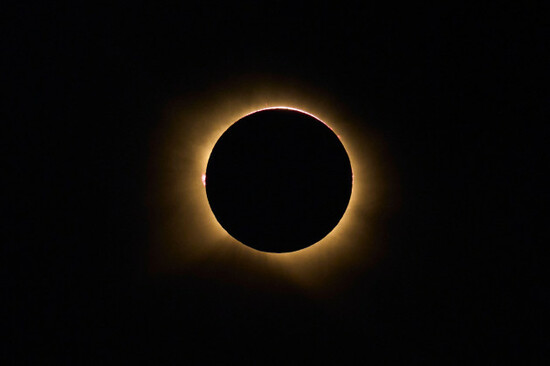
The photo above shows a total solar eclipse, where the Moon fully blocks the Sun. People in Ireland won’t get to witness this, but those in a small number of areas – including Spain, the Balearic Islands and Iceland – will.
Niall Smith of Blackrock Observatory told The Journal that “one of the things that is remarkable about eclipses is that the moon is in the sky almost exactly the same size as the sun, and this is just a complete chance event”.
“We just happen to have a moon that is just the right size,” Smith added.

It is very important that you do not look directly at the Sun during the solar eclipse.
Doing so without adequate eye protection can burn the light-sensitive cells in your retina within seconds. This is called solar retinopathy. It is painless, but it leads to blurry vision, headaches and a central blind spot.
It can cause permanent damage.
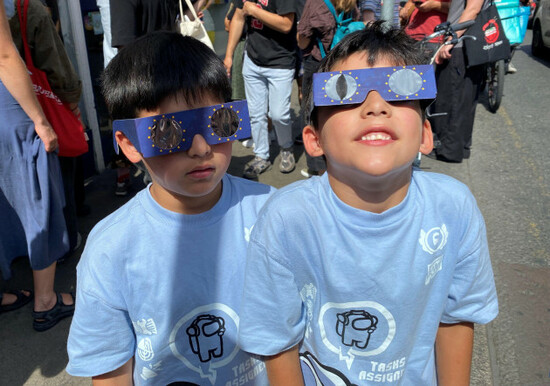
You will need special glasses – specifically, certified ISO 12312-2 eclipse glasses – if you want to look at the Sun in the moment, as ordinary sunglasses don’t offer adequate protection.
For anyone thinking of watching the eclipse through their phone screen or camera while trying to capture the scene, don’t: this is not safe and can also damage your eyes.
The eclipse can also ruin your phone’s digital camera sensor. If you want to take a picture of the eclipse, you’ll need a certified solar filter to protect your camera lens.
Liz Grennan, president of Optometry Ireland, said people should never look directly or point a camera, phone or telescope at the Sun.
“Do not attempt a selfie with the eclipse,” she warned.
If you haven’t already got your hands on a pair of eclipse glasses, I’m sorry to say that you’re probably out of luck.
Astronomy Ireland and others offered glasses for sale in Ireland, but these have totally sold out.
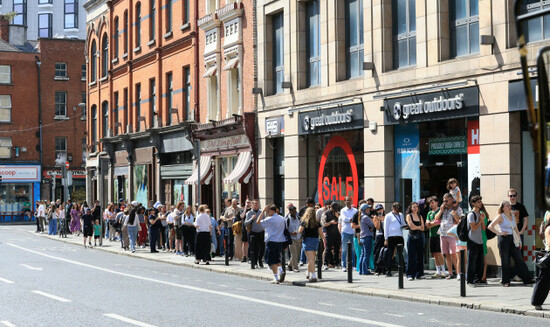
Earlier today, hundreds of people queued outside gift shop Designist on Dublin’s George’s Street to try and get their hands on a pair of the special specs.
The shop had sold out of them, but managed to get an order of around 2,400 of them in today.
The Journal spoke to some of the people queuing. “The glasses are sold out everywhere, so I’m here queuing for nearly two hours. I’m very excited,” one woman said.
While the rare phenomenon can be observed from anywhere in Ireland (safely, of course), a number of viewing events are taking place across the country.
In Cork, free public viewing events are taking place at MTU Blackrock Castle Observatory, Tramore Valley Park and Bell’s Field from 6pm to 8.30pm.
In Kerry, the Dingle peninsula is expected to offer the best view in the country, although there is no official event organised for the area.
In the east, the Irish Astronomical Society is hosting a free public viewing event at the visitor centre in Phoenix Park in Dublin.
In Galway, the Galway Astronomy Club is also having a free public viewing event between 6pm and 8pm on Mutton Island Causeway, which is just out of the city centre, by Salthill.
Queen’s University Belfast is welcoming people to the lawn at the Lanyon Building from 6pm to view the eclipse.
You can find out more about events that require a booking here (but be warned, they may already be sold out).
If you’re planning to watch the eclipse, why not share it with us?
Send your photos (along with your location and any other thoughts or observations) to pictures@thejournal.ie, and we’ll try and include as many as possible in our liveblog.
Dublin wasn’t the only place people were rushing to bag a pair of eclipse glasses today…
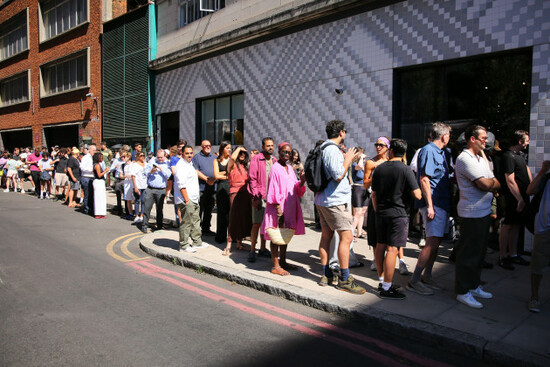
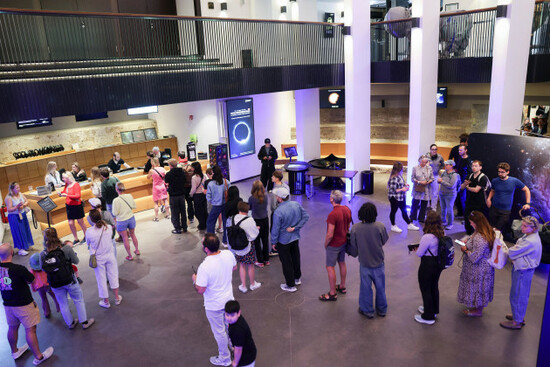
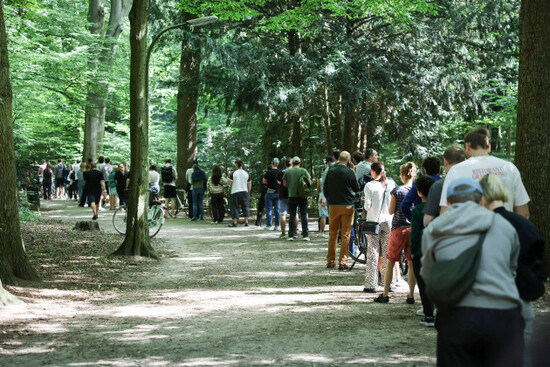
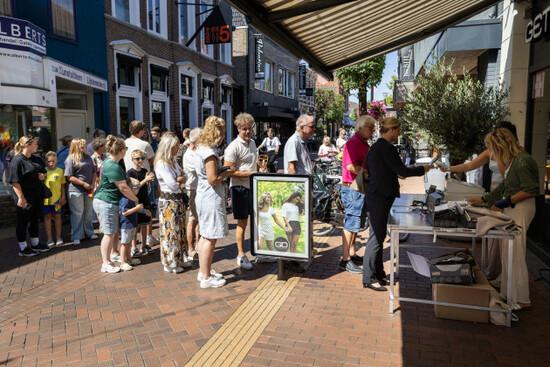
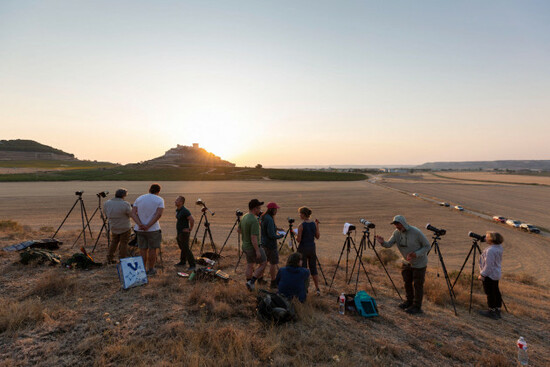
People from all over the world have flocked to northern Spain to witness a total solar eclipse – where the Moon completely blocks out the Sun.
“People do get addicted to it because it is such a moving experience,” said Lucie Green, one of four self-described “eclipse chasers” who spoke to AFP before the event.
Eclipse chaser Elizabeth Warning, a 51-year-old TV researcher in Australia, said seeing a total eclipse “feels like it’s the end of the world… you’re changed forever.”
Ryan Milligan, a solar physicist at Queen’s University Belfast in Northern Ireland, has travelled for 12 different eclipses, to places as far-ranging as Siberia, Chile and the Faroe Islands.
On Tuesday, Milligan was in the Spanish city of San Sebastian, where 99.7% of the Sun will be obscured.
“Not close enough!” said Milligan, who was headed for the Spanish city of Burgos, where totality will last one minute and 43 seconds.
“A total eclipse is not something you see, it’s something you experience,” he said.
“The temperature drops, the light and the shadows are all in the wrong place, the colours are muted, there’s a 360 degree sunset, the animals go to sleep – these things you cannot convey to people through a picture or a video or a news article.
It’s that adrenaline rush of trying to experience all that within a few minutes that pushes us literally to go to the ends of the Earth.
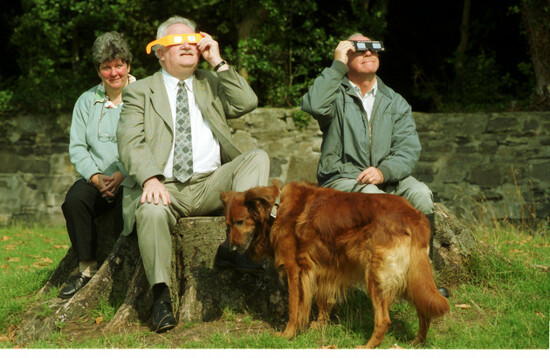
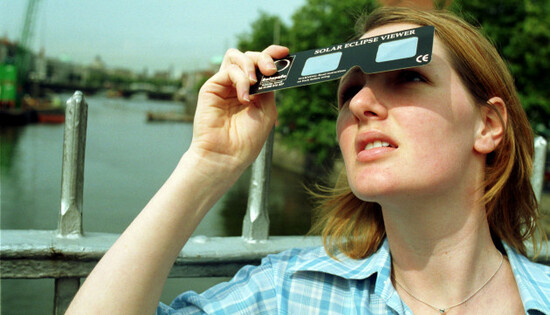
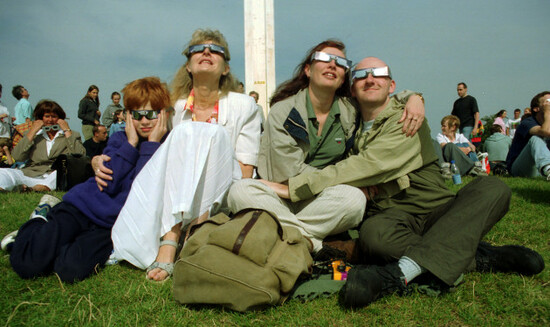
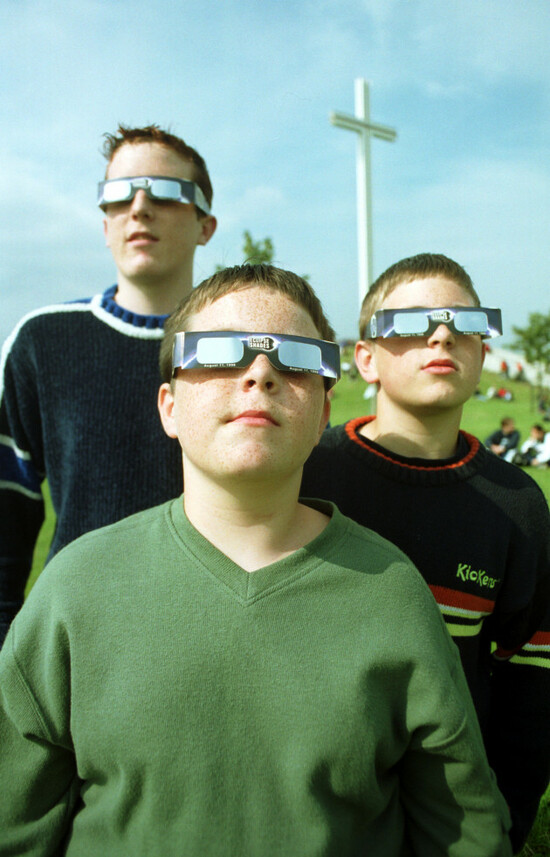
An eclipse on this scale hasn’t occurred in Ireland since August 1999.
I was a year old when it happened, so I’m pretty sure I didn’t see it, but here are some people who did.
Remember this? 👀🌒
— RTÉ One (@RTEOne) August 12, 2026
A throwback to when Ireland went eclipse-mad in 1999, with thousands taking to the streets to catch a glimpse of the sun disappearing behind the moon.
And now, 27 years later… it’s happening again. ☀️🌑 #rtearchives pic.twitter.com/8drzWbthKV
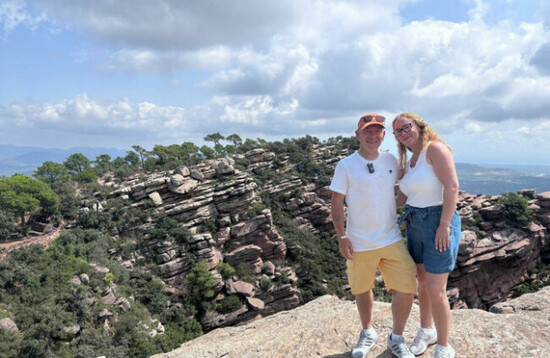
While hundreds of people were queuing to get last-minute eclipse glasses to take part in the major skywatching event from Dublin tonight, a number of Irish people have gone to Spain and further afield in the hopes of seeing a total eclipse.
The Journal spoke to some of them.
For 49-year-old Anthony Lynch, an industrial painter from Stoneybatter, this is the second time he’s travelled abroad in pursuit of a total eclipse.
Previously he travelled to Texas, and wound up travelling out into “the middle of nowhere” to escape tornado warnings to get the perfect view.
There were three of us on the trip, and we had lightning striking around us on the trip back, but we got the most amazing pictures, and I’ve been planning this trip since I got back from that one.
As we reported earlier, Iceland is preparing to witness a total solar eclipse.
To mark the occasion, Björk is hosting a one-day festival called Echolalia to coincide with the phenomenon at a park in Hafnarfjörður, around 10km southwest of Reykjavík.
The eclipse itself is in the set list between DJ sets by the Icelandic artist and Venezuelan musician Arca.
echolalia settime announce ::::::::
— björk (@bjork) August 7, 2026
1200 doors
1230 workshops [tba]
1430 kaitlyn aurelia smith
1515 gummi arnalds
1600 ronja
1647 arca / eclipse begins
1748 t o t a l i t y
1750 björk
1847 33EMYBW / eclipse ends
1930 knackered
2015 sideproject
2100 loscaballos
2200 curfew
l o o… pic.twitter.com/Rag0VtC3bu
I wonder how many people still think of this Jaffa Cakes ad when they hear the word ‘eclipse’…
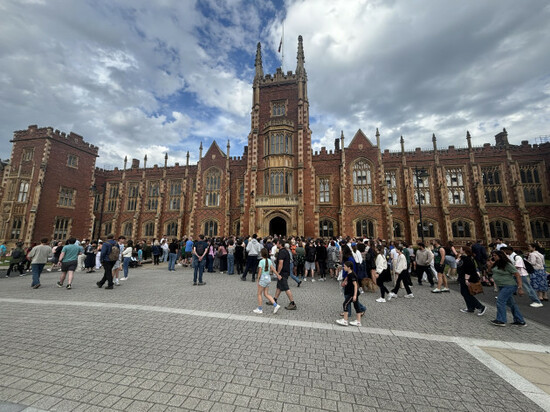
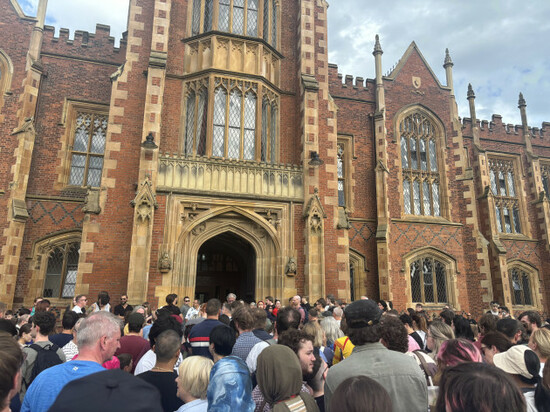
A crowd is gathering at Queen’s University Belfast ahead of its viewing event on the lawn at the Lanyon Building from 6pm.
They’re currently handing out free eclipse glasses.
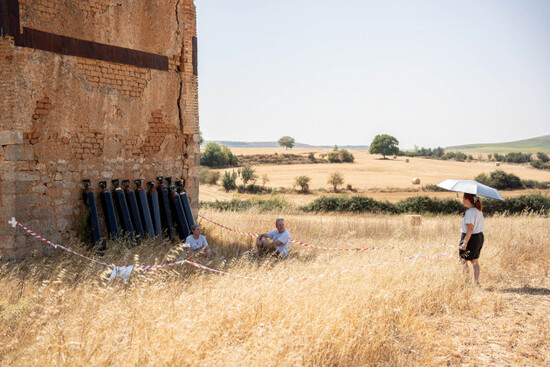
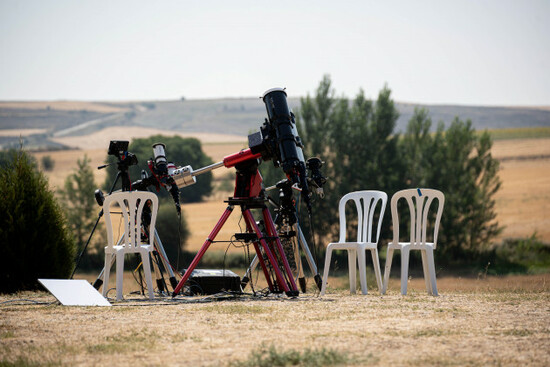
Nasa have been setting up telescopes ahead of the total solar eclipse in Villalibado, Burgos, Castile and León, in Spain.
The US space agency, in collaboration with the Exploratorium science centre in San Francisco, has selected Villalibado, a village in Burgos that for years was at risk of being abandoned, as its main base of operations to bring the live broadcast of the historic total solar eclipse to millions of viewers across the globe.
This graphic shows the path of totality for the August 12 eclipse. Totality will begin around 8:30pm in Spain & 5:45pm in Iceland (local times).
— NASA Earth (@NASAEarth) August 12, 2026
Learn how to safely view the eclipse: https://t.co/rzmOJgZdtn pic.twitter.com/fDcdPXYHXO
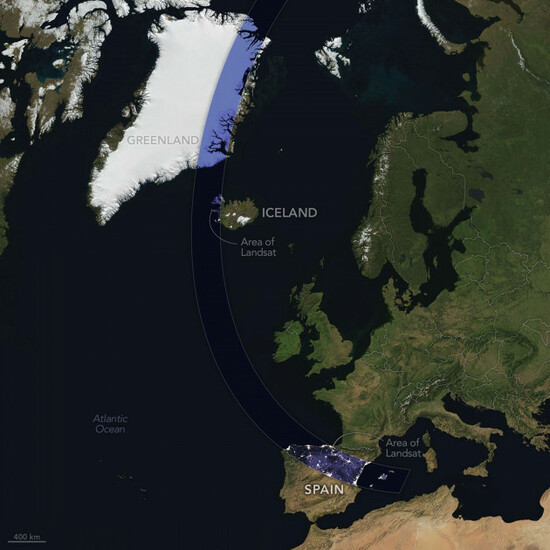
Let’s look at the path of totality. That is, the area of Earth where the Moon’s shadow will block out the Sun.
The eclipse’s path will begin in the Russian Arctic at around 5.58pm before moving over the Arctic Ocean and going on to reach the east of Greenland.
It will then sweep around to Iceland at 6.48pm before reaching northern Europe, skimming north Portugal before moving to northern Spain, then finally the Balearic Islands at about 7.30pm.
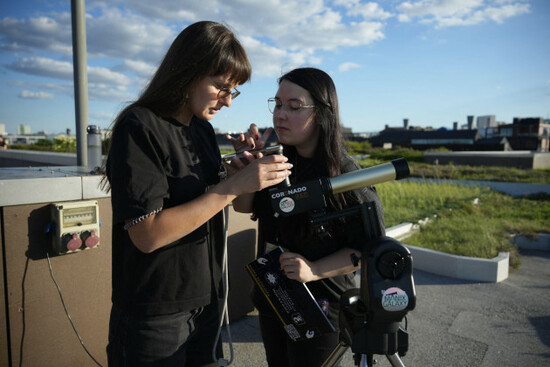
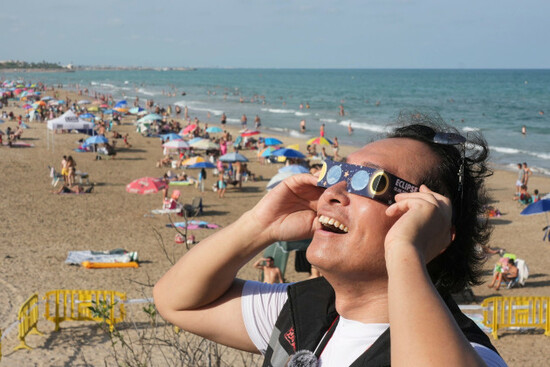
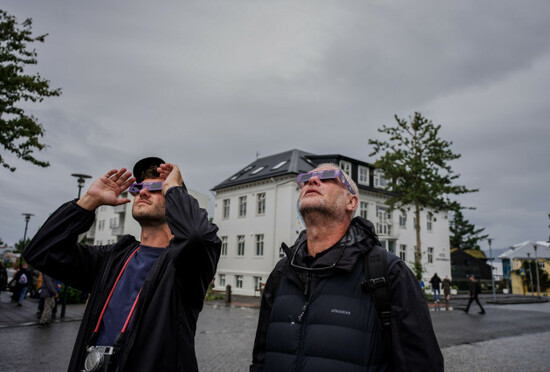
Our reporter Diarmuid Pepper is at Queen’s University Belfast, where people are still trying to get their hands on some eclipse glasses that they are handing out.
“This is like a nightmare,” says one person, and sure enough it is confusing trying to get the glasses Queen’s University Belfast are handing out @thejournal_ie pic.twitter.com/VUHsnMqc5D
— Diarmuid Pepper (@Diarmuid_9) August 12, 2026
Passengers on board the Ambassador cruise ship Ambition can be seen here watching the start of the total solar eclipse off the coast of Greenland.
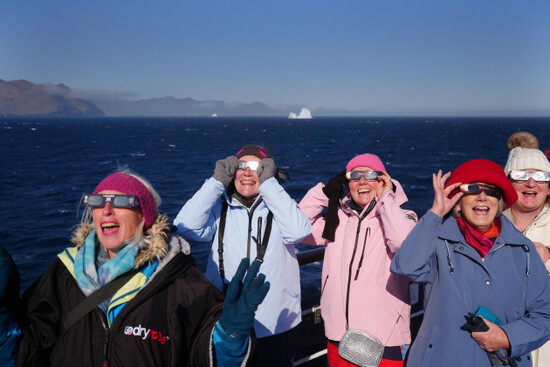
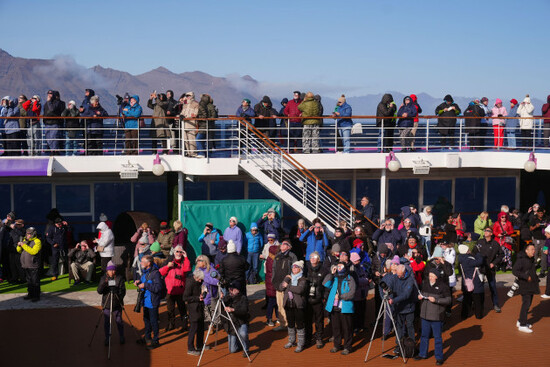
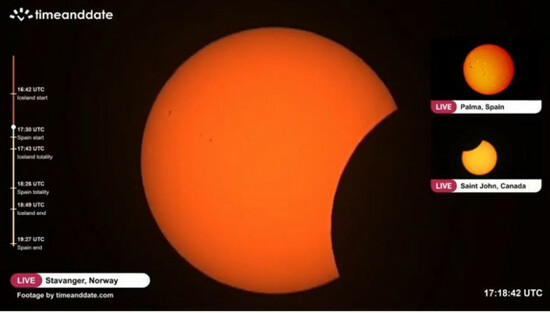
This stream from timeanddate is showing images of the eclipse from Stavanger in Norway.
Crowds of people have gathered in the Phoenix Park in Dublin to witness the eclipse.
The Irish Astronomical Society is hosting a free public viewing event at the visitor centre there.
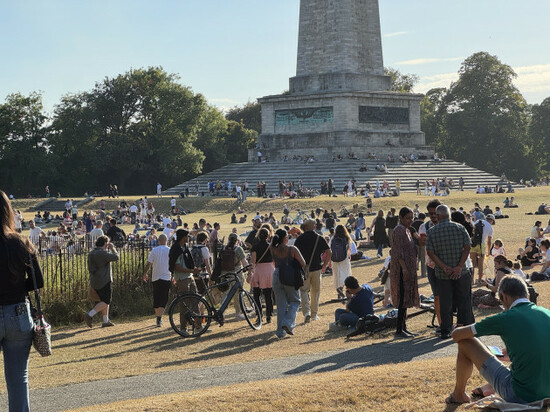
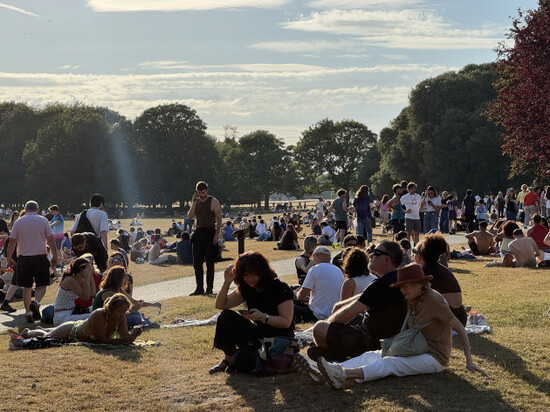
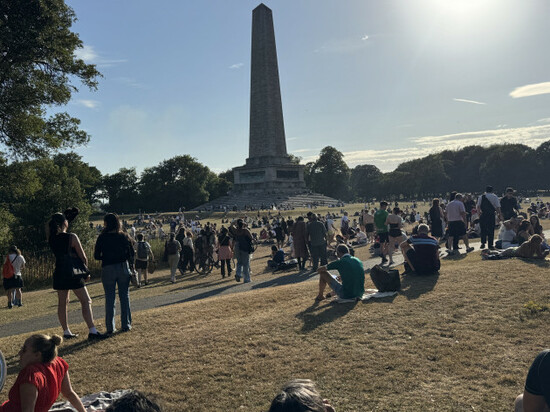
People have come out in droves in Goring-on-Sea, West Sussex in England, where free glasses are being distributed.
Telescopes with solar filters attached will also be available for members of the public to use.
Crazy scenes in #Goring #westsussex #eclipse pic.twitter.com/x1uVx79wke
— eddie mitchell (@brightonsnapper) August 12, 2026
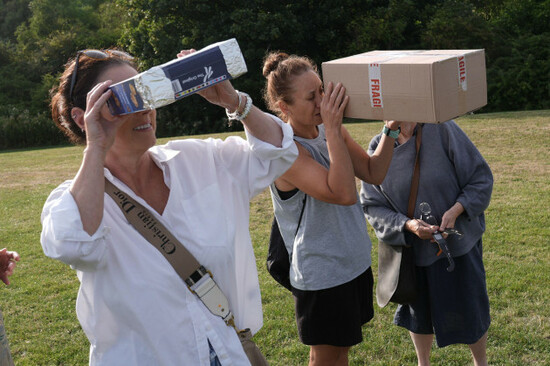
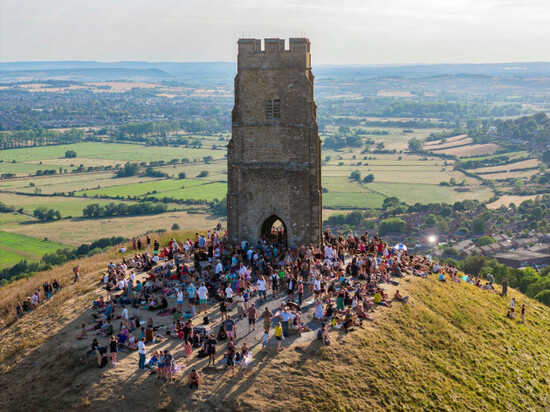
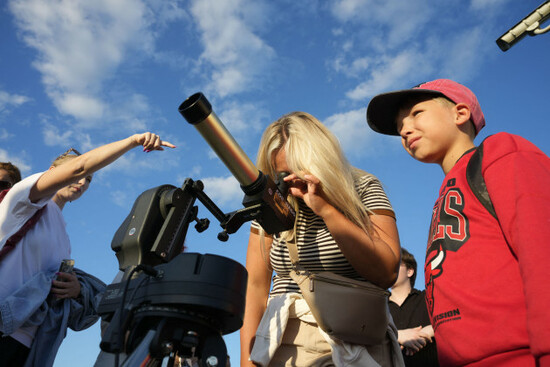
A full solar eclipse has just happened over Iceland, with the Moon completely blocking the Sun.
Here’s the view of the partial solar eclipse above Dublin’s Phoenix Park.
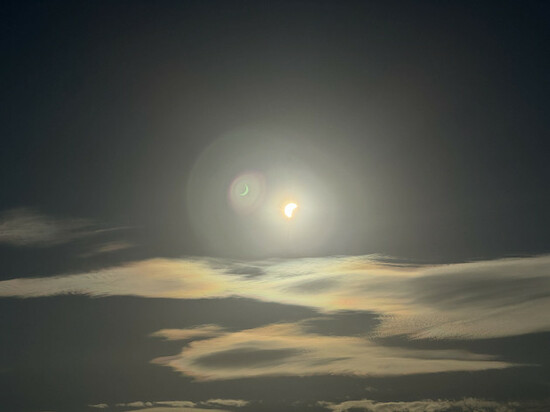
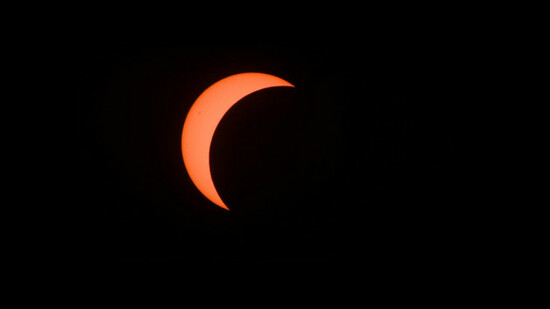
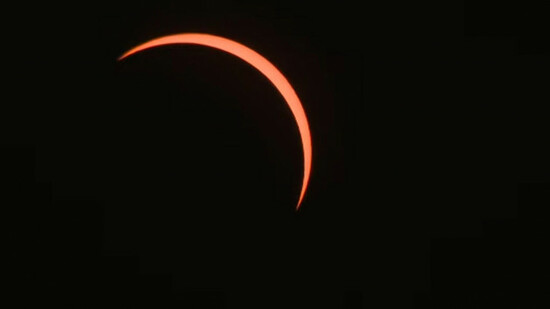
The solar eclipse has reached its peak in Ireland, darkening the skies over the country.
Up to 98% obscuration of the Sun is being observed in the southwest, with those in Dublin seeing about 94% of the Sun covered.
The peak of the eclipse will last until 7.45pm.
The Sun is now a very thin slice behind the Moon, with over 90% of it being covered – and it is an incredible sight.
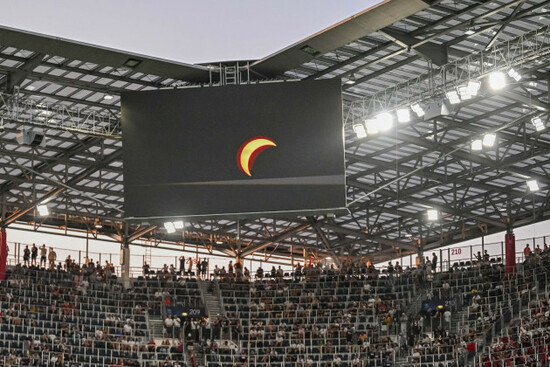
The solar eclipse was broadcast in the Stadion Salzburg in Austria, where Paris Saint-Germain are taking on Aston Villa in the Uefa Super Cup final.
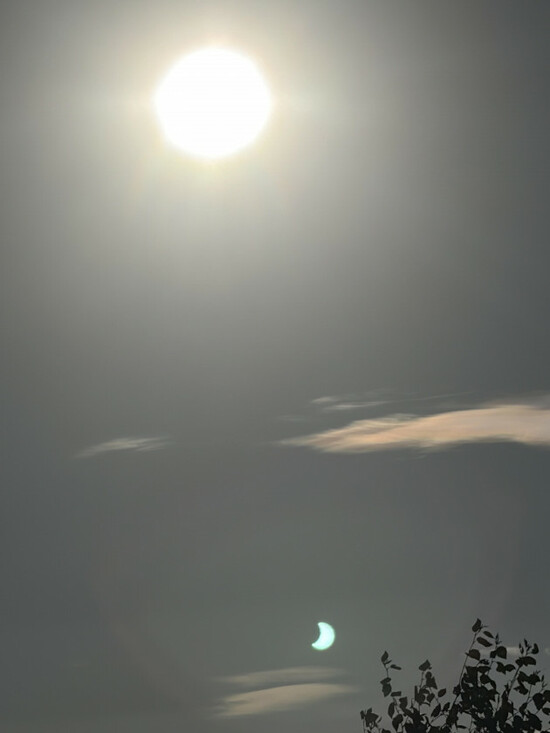
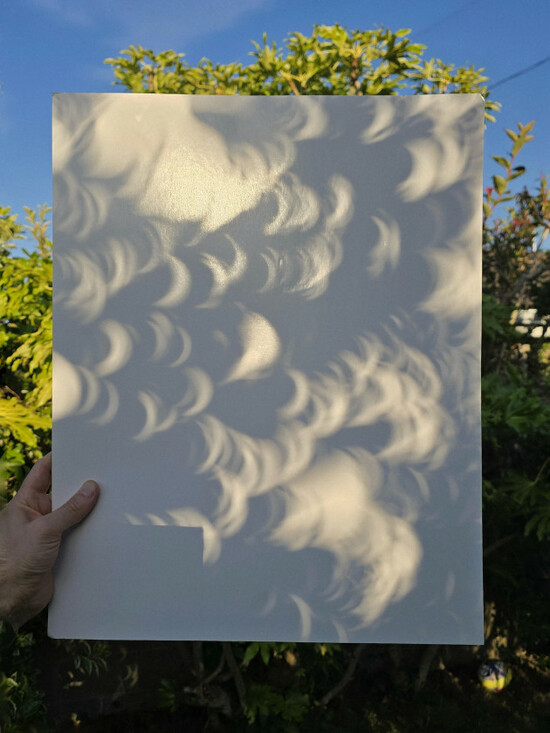
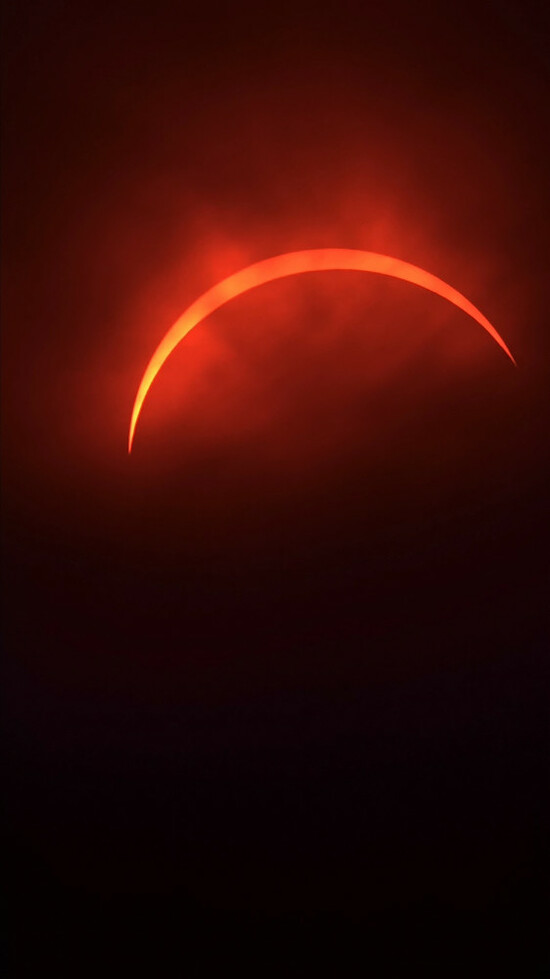
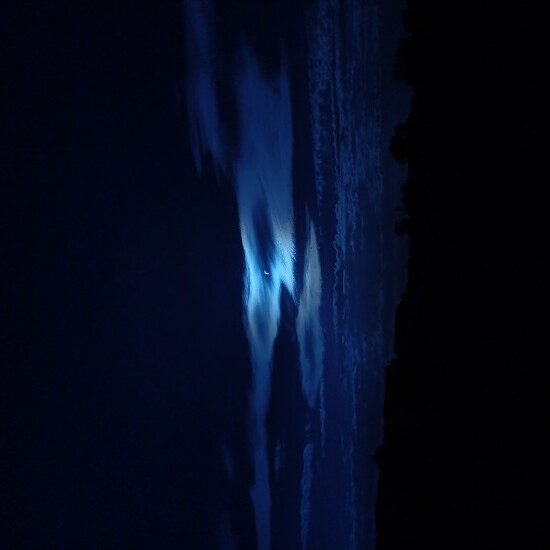
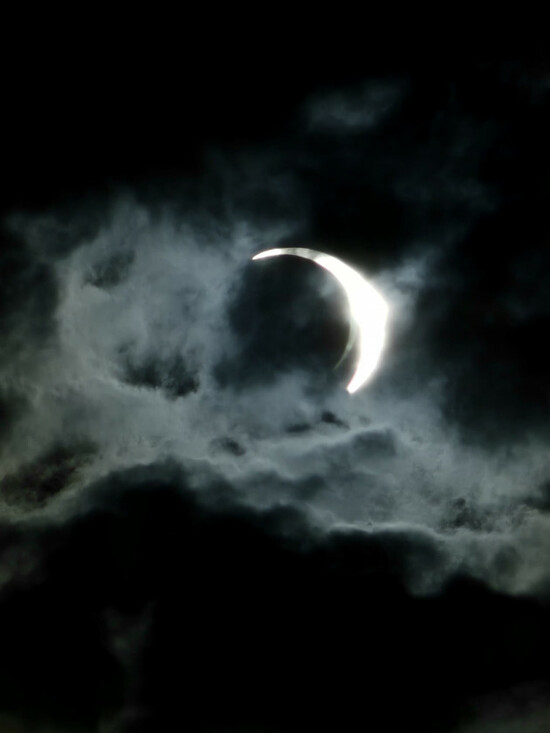
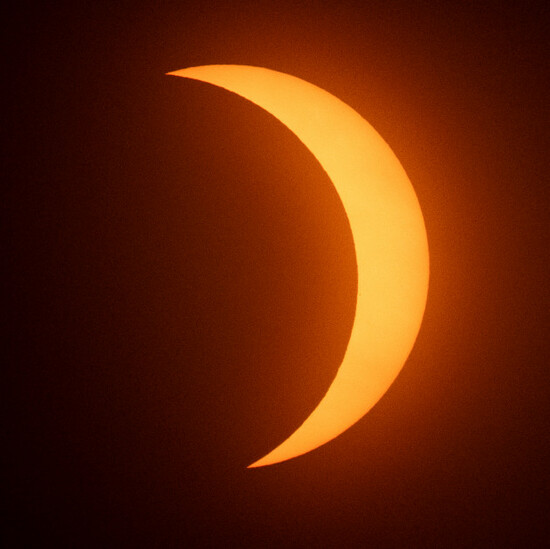
Readers have been sending us their photos of the eclipse in the last while.
Pat Doyle took this one from his back garden in Celbridge, Co Kildare.
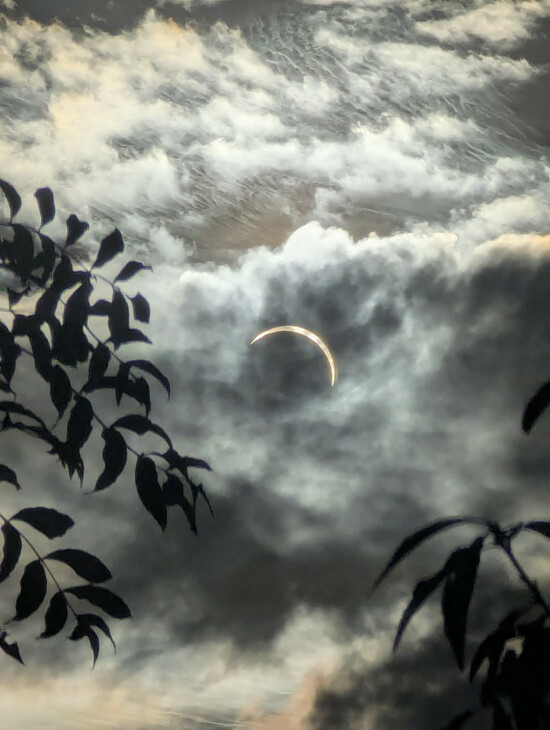
Anthony Page snapped this from his attic in Rathfarnham, Dublin.
Adomas Mockus took this great shot in Dublin. “You don’t need eclipse glasses if you have trees around you,” he said.
Did you take a photo of the eclipse? Send it (along with your location and any other thoughts or observations) to pictures@thejournal.ie and we’ll try to include it in our liveblog.
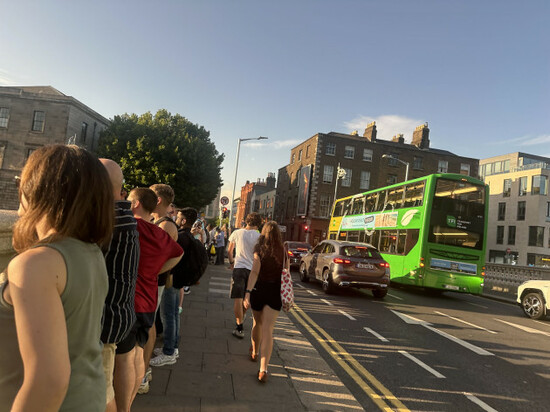
Richmond Bridge in Dublin was packed with people wanting to see the phenomenon this evening.
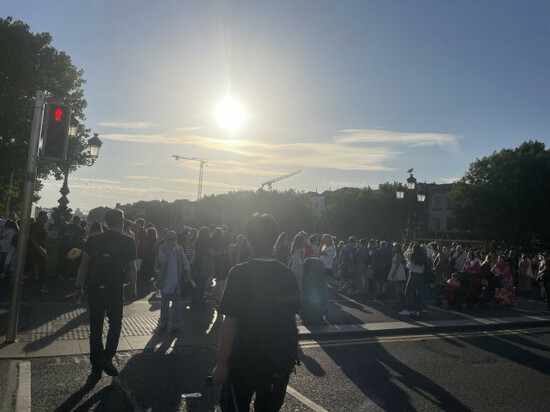
And O’Connell Bridge in the capital was the same.
Footage of the eclipse at its peak near the Shannon, courtesy of reader Murray Mitchell.
Those in Spain have just witnessed totality – when the Moon completely covers the Sun.
The total eclipse lasted less than two minutes in Lodoso, near Burgos, to the delight of thousands of people observing the phenomenon using special spectacles for safety.
Here’s the spectacular sight from Bilbao.
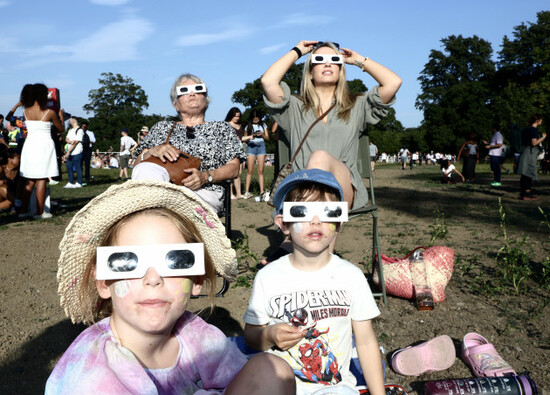
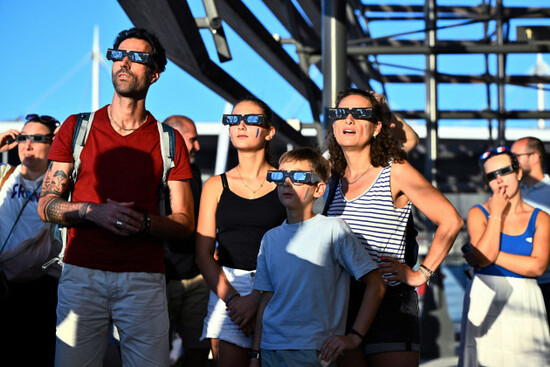
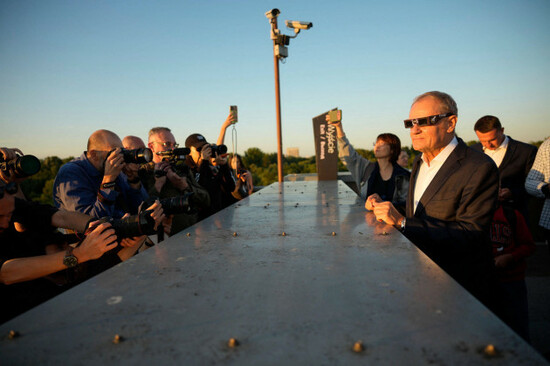
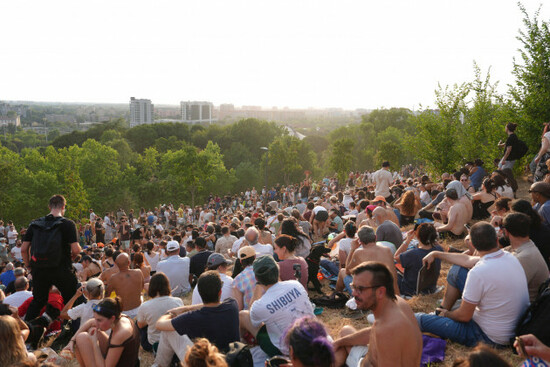
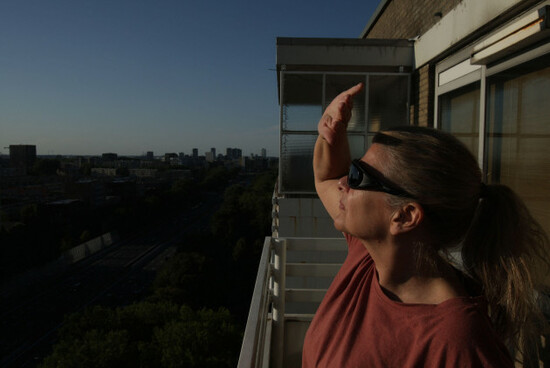
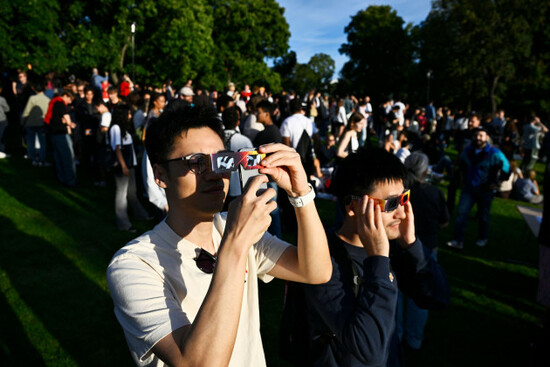
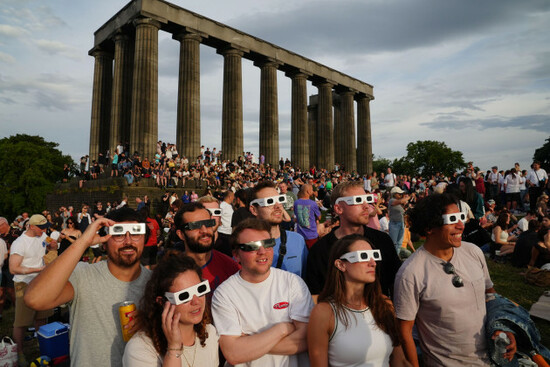
Here’s how Europe watched the once-in-a-lifetime solar eclipse:
TOTALITY.
— Nahel Belgherze (@WxNB_) August 12, 2026
Castrojeriz, Burgos, Spain minutes ago. pic.twitter.com/KOZBmwQKuw
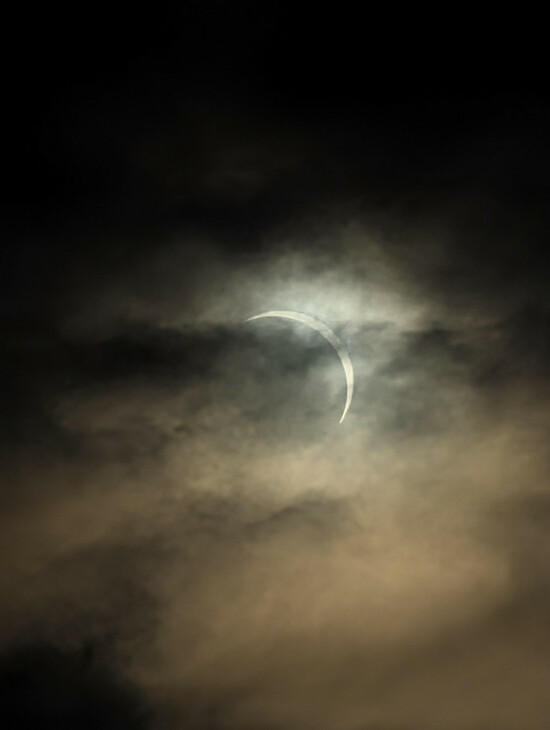
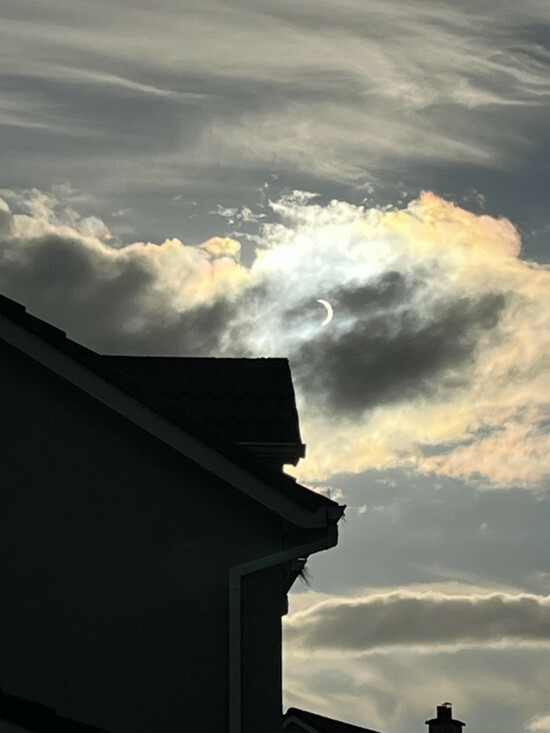
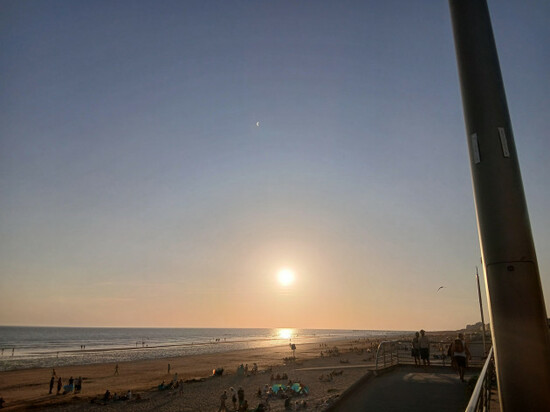
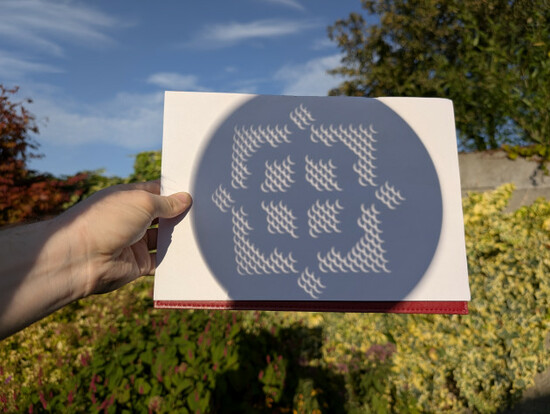
Thank you to everyone who has taken the time to send in your eclipse photos.
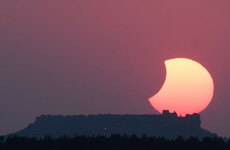
We can’t include all of them, unfortunately, but here’s a sample of your great shots.

To embed this post, copy the code below on your site









have your say