Sign in. It’s quick, free and it’s up to you.
An account is an optional way to support the work we do. Find out more.
Sign in. It’s quick, free and it’s up to you.
An account is an optional way to support the work we do. Find out more.
LAST UPDATE | 3 Jan 2025
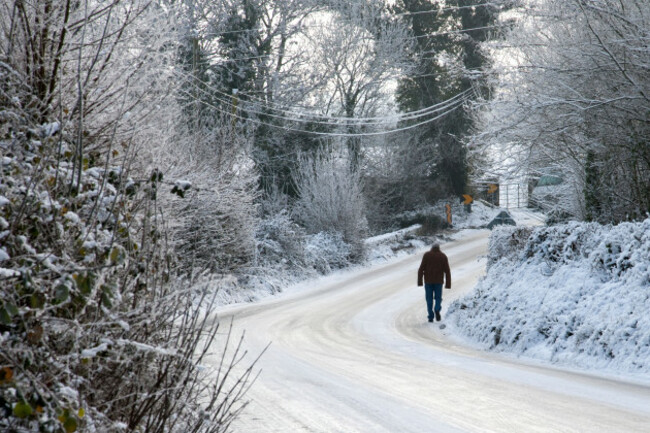
IRELAND IS NOW heading into a severe cold snap.
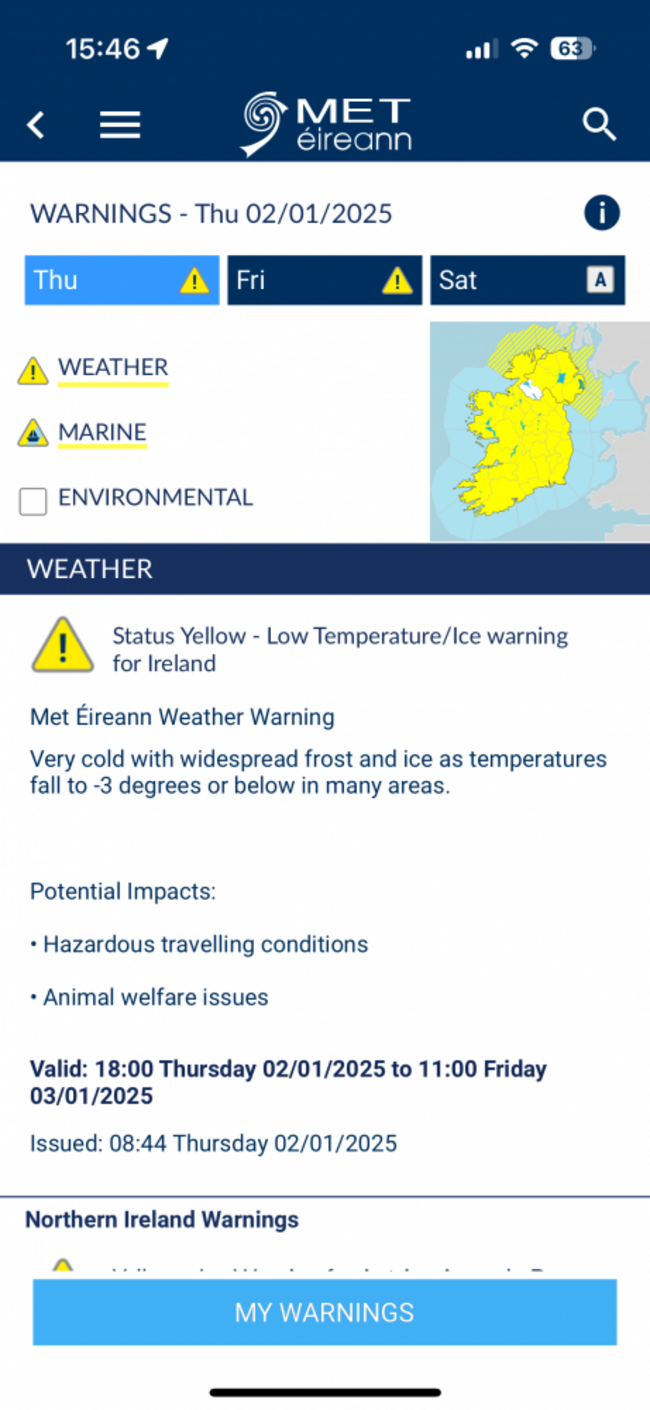
It has been described by Met Éireann as a “multi-hazard weather event”.
Warnings have been issued for all 26 counties across Saturday and Sunday, including a Status Orange snow-ice warning for Carlow, Kilkenny, Wicklow, Clare, Limerick, and Tipperary.
The weather system set to hit Ireland is still evolving, so the warnings could be updated further. Cold temperatures are likely to continue into next week.
Here’s how to prepare yourself for the next few days:
Make sure you know the weather forecast in your area and act accordingly.
Met Éireann offers an app with customisable alerts on both iOS and Android, in addition to their website and regular appearances on RTÉ.
While it’s clear that it will be cold and that it will rain, snow is often quite difficult to forecast. You can read why in more detail here from the UK’s Met Office.
That is the million-euro question.
The decision to schools and Early Learning and Childcare (ELC) settings is multifaceted and ultimately lies with managing authority. A Status Red warning will — generally speaking — result in a temporary closure, but Status Orange is less clear-cut.
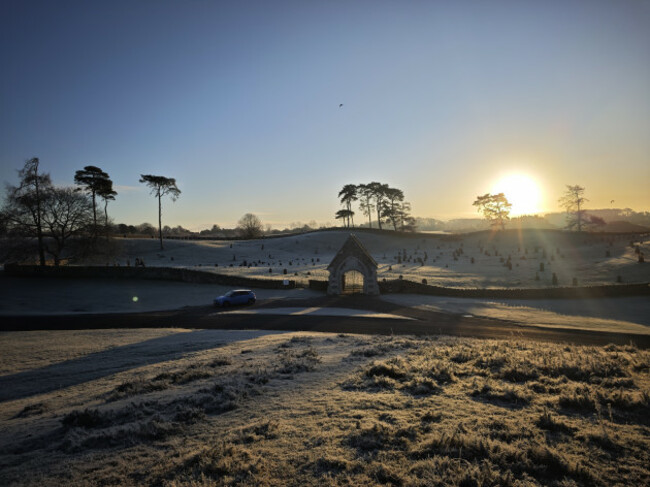
Another factor here is the somewhat unpredictable nature of this type of weather event.
Met Éireann has been clear that it is likely that some schools will be unable to reopen on Monday. However, it will depend on how the weekend progresses and is something which would be communicated to parents by the school itself.
You can read all the fine print underpinning this decision here https://www.gov.ie/en/publication/e1d49a-schools-and-severe-weather-be-winter-ready/
Now, listen. We are painfully aware that you have likely be dressing yourself for many years at this stage. We are not doubting your ability to dress yourself, but the last thing we would want is for you to end up caught outside in the cold.
If you are out and about during the cold weather for anything longer than nipping into the shops from the car, make sure you dress accordingly.
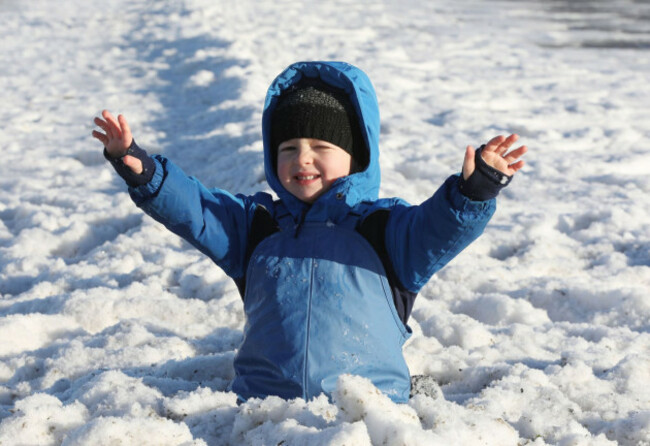
The easiest way of looking at this is by splitting your clothing into three layers: your base layer should be a form-fitting synthetic thermal or wool top; your middle layer should be the insulating layer, so a jumper, fleece, or hoodie that will keep you warm; your outer layer is your ‘shell’, so a decent jacket that will protect you from the elements.
That’s in addition to having thermal long-johns or leggings on underneath your trousers, boots, gloves, and a hat. This is a very simplistic explanation, so if you will be outdoors for a long period of time, do your research.
This is not your signal to head to the bunker you’ve been stocking with non-perishable goods and iodine tablets for the past few years.
This is highly dependent on your own individual situation, but if there is heavy snow, it could impact your ability to get out of the house for essentials.
Authorities advise keeping a small supply of easy-to-prepare non-perishable food in your home — think tins, rice, pasta, that sort of thing. You can also make sure your freezer is stocked up with a few bits.
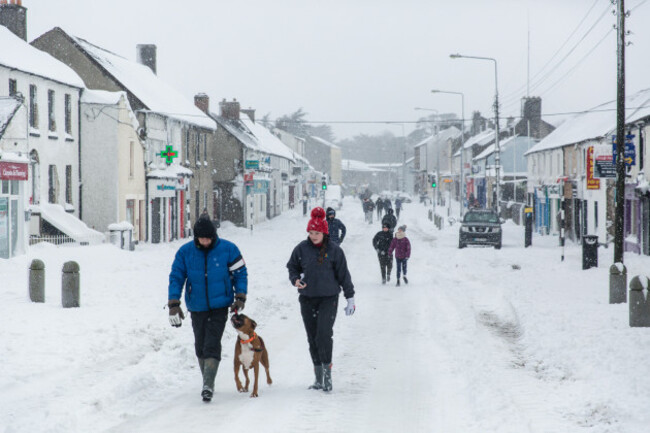
Keep a supply of water in case your supply gets cut-off or frozen. The official advice is to that leaving a tap running will not prevent your taps from freezing. Some experts even call it a ‘myth’, although you won’t be short of people saying the opposite.
If you rely on fuel for heating your home, make sure you’re not running low.
If you have pets, you’ll find some essential advice here.
Contact your pharmacist if you are concerned about your supply of essential medicines, and be aware that cold weather can exacerbate existing health conditions.
At the time of writing, this is not due to be a storm event that could lead to widespread loss of power, but heavy snow can still cause power cuts in some situations. Make sure that your electrics are charged, in particular any power banks you can use to charge your phone. Find that torch you bought yonks ago for use in this exact situation.
Now is also a good time to contact the ESB to be put on the vulnerable customer list. This is for not only people who require electrically powered equipment for health reasons or for independent living, but it is also for anyone “particularly vulnerable to disconnection during winter months for reasons of advanced age or physical, sensory, intellectual or mental health”.
If there is severe snow or icy conditions in your area, check on your vulnerable or older neighbours — maybe even check in on them now to share your mobile number for them to call if they have any problems. This type of weather can be quite isolating and potentially dangerous.
We’re not good in Ireland at handling what other countries might consider normal winter weather as it happens so infrequently.
This means that a lot of us don’t have a massive amount of experience driving in such icy conditions.
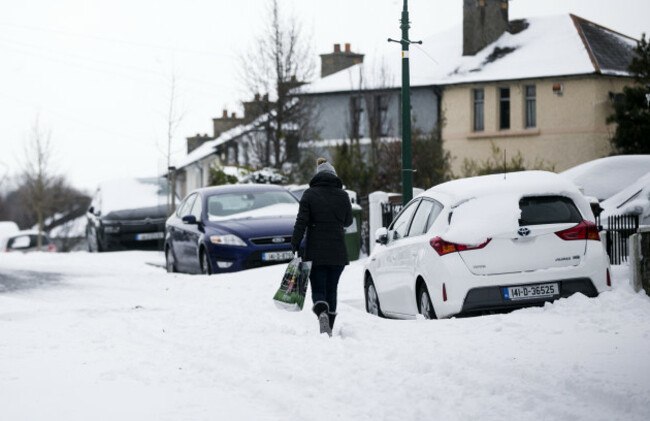
Be extra safe on the roads. The RSA has a list of 10 essential tips here, ranging from making sure your tyres are pumped up, keeping some vital supplies in your boot, and understanding how to control your car in a skid.
As one traffic infrastructure expert put it, just because you have a 4×4, don’t get out on the roads thinking you’re ‘all that and a bag of chips’.
Well, you’re probably not. It’s likely we have some polar explorers among our readership.
Cold, snowy weather can be dangerous. If you find yourself lost or stranded somewhere, you will be at risk of hypothermia before you even realise. Paths are slippery. Clearing snow is a lot harder than you would expect.
Heading up a mountain to take in the stunning views sounds great — but rescue teams would much prefer if you didn’t take the risk and instead took in the views from a safer vista.
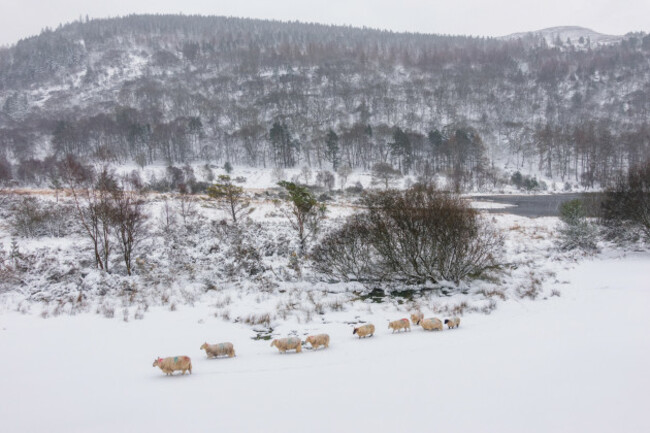
“Always check the weather forecast first. If it says ice, consider doing it another day if you’re a novice. Winter conditions are three times as tough to navigate,” Gerry Christie from Kerry Mountain Rescue told The Journal earlier this year.
If you do have to go out, make sure you’re wearing appropriate clothing, and walk like a penguin (yes, you heard us).

To embed this post, copy the code below on your site












have your say