Sign in. It’s quick, free and it’s up to you.
An account is an optional way to support the work we do. Find out more.
Sign in. It’s quick, free and it’s up to you.
An account is an optional way to support the work we do. Find out more.
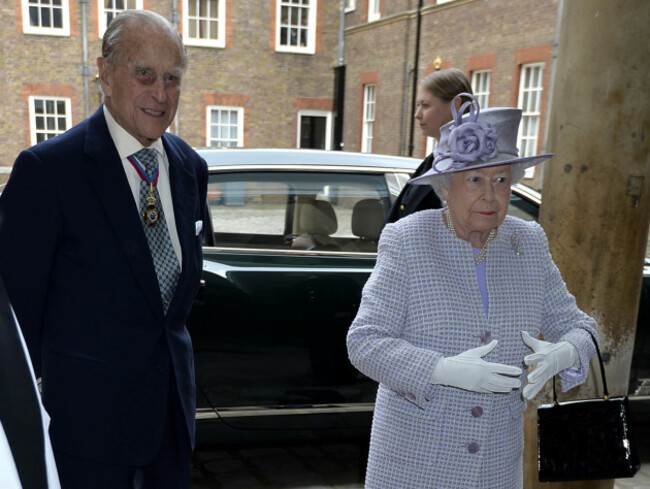
TODAY, BUCKINGHAM PALACE announced that Prince Philip would be retiring from royal duties at the ripe old age of 95.
Despite his advancing years, and occasional poor health, the monarch has remained an active, conducting 219 royal engagements last year.
He is approaching the 70th anniversary of marrying Queen Elizabeth II, and is already the longest-serving consort in British history.
Especially in later years, the gaffe-prone former Royal Navy officer usually only made the news for the wrong reasons.
However, he was also acknowledged as the “strength” behind the British throne by the Queen, herself, with observers noting that he was the glue that held the family together during the divorces of three of his children.
Philip met the then Princess Elizabeth just before the outbreak of World War II, and they exchanged letters while he served with the Royal Navy in the Mediterranean and the Pacific.
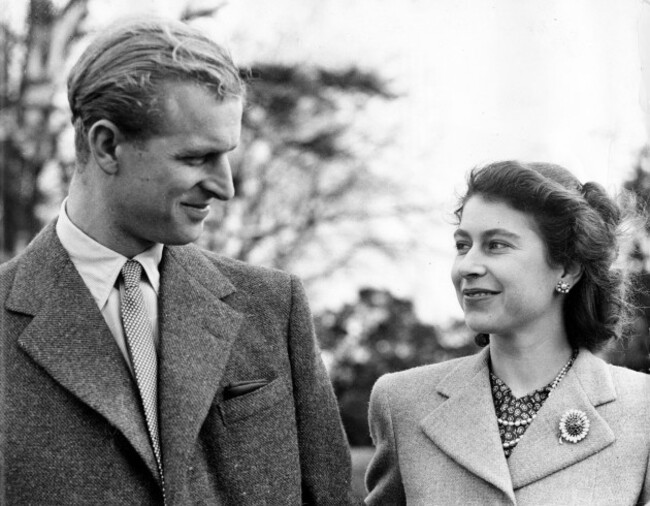
After their marriage in 1947, they spent time in Malta, where he was posted – only for their lives to be changed overnight by the premature death of her father, King George VI, in 1952.
He once admitted the curtailment of his career was “disappointing”, but said that “being married to the queen, it seemed to me that my first duty was to serve her in the best way I could”.
Philip was an early supporter of the conservation movement, serving as the first president of the British branch of the World Wildlife Fund (WWF) from its foundation in 1961 to 1982.
He also gave his name to the Duke of Edinburgh’s Award, a youth achievement scheme offering a range of physical and mental challenges to build confidence and life skills.
In a rare interview to mark his 90th birthday, the prince admitted he had carved out his role by “trial and error”.
“There was no precedent. If I asked somebody, ‘What do you expect me to do?’ they all looked blank. They had no idea,” he told the BBC.
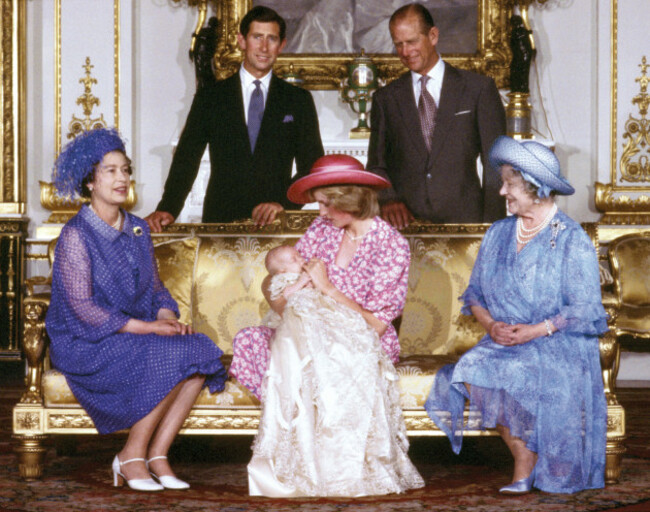
In a sign of his importance as the family linchpin, the late Princess Diana addressed him as “Dearest Pa” in letters in which he offered solace over her deteriorating marriage to his eldest son, heir-to-the-throne Prince Charles.
As the monarch grew older, he gained notoriety for his often bizarre one liners at his many public engagements.
While these quotes endeared him to some, they also caused embarrassment and consternation among others.
Here are some of his more infamous pronouncements:
“Who do you sponge off?”
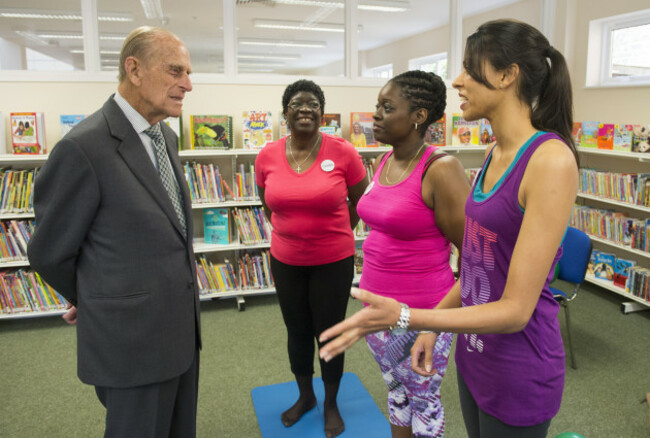
At this visit to a community centre in Chadwell Heath, London, Philip asked a group of women “who do you sponge off?”.
“[Children] go to school because their parents don’t want them in the house”
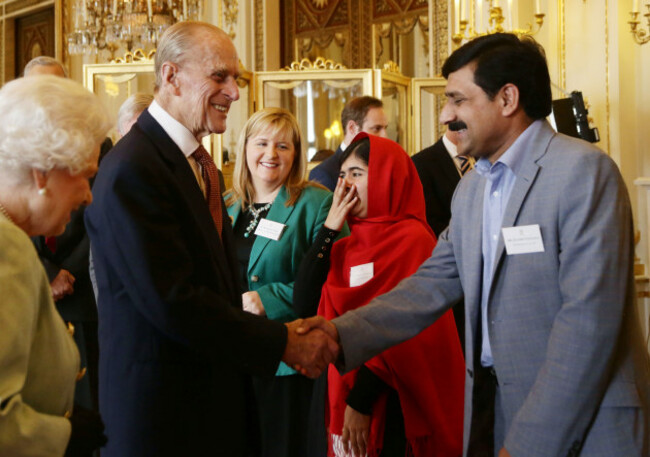
This is what he said to Malala Yousafazai, a young woman who’d survived a Taliban assassination attempt after campaigning for girls to go to school.
“Just take the fucking picture”
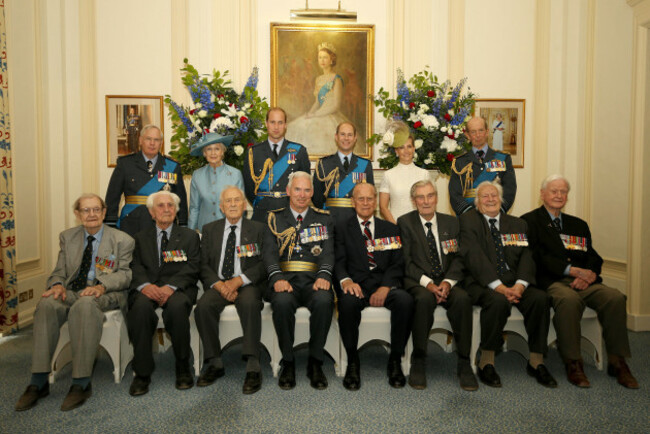
The Prince lost patience while awaiting a group photo to be taken during a Battle of Britain commemoration in 2015.
“If you’re near that music, it’s no wonder you’re deaf”
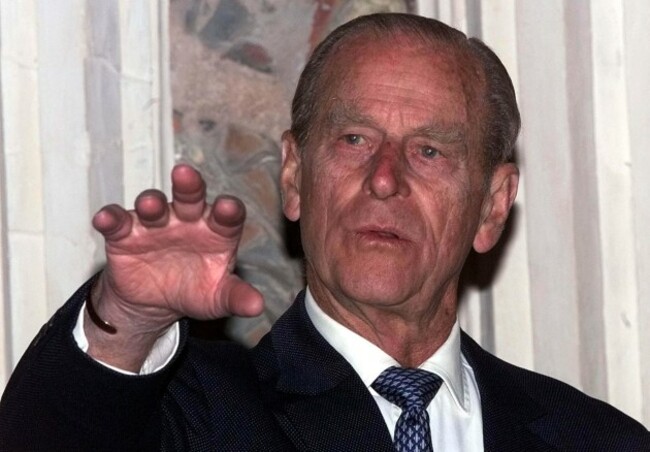
This is what he said to children from the British Deaf Association, who were standing by a Caribbean steel band in 1999.
“Still throwing spears?”
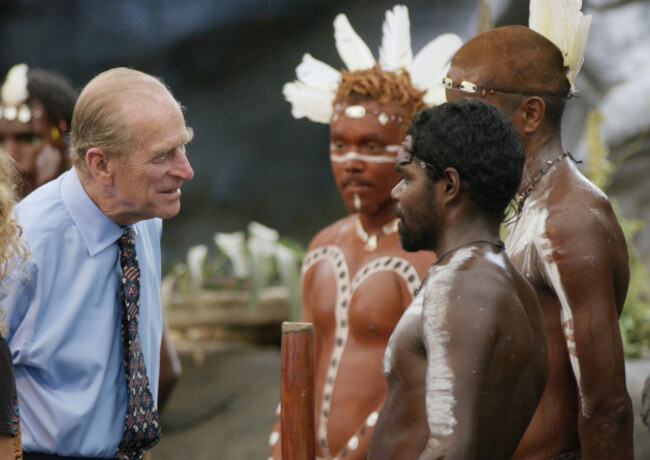
What he said to Aboriginal performers at an Australian festival in 2002.
“Well, you’ll never fly in it, you’re too fat”
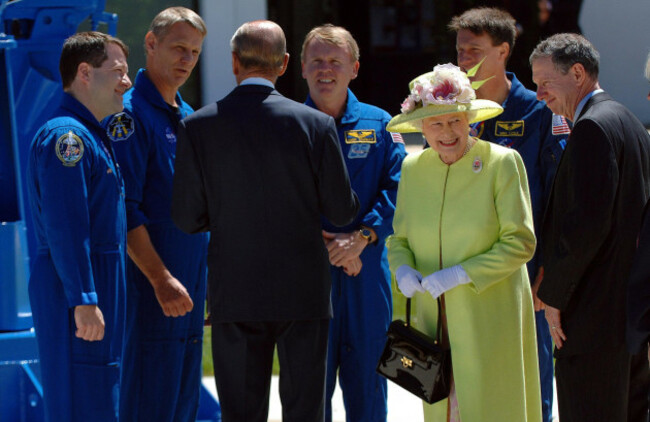
A 13-year-old has his dreams of space travel shattered in 2001.
“How do you keep the natives off the booze long enough to get them through the test?”
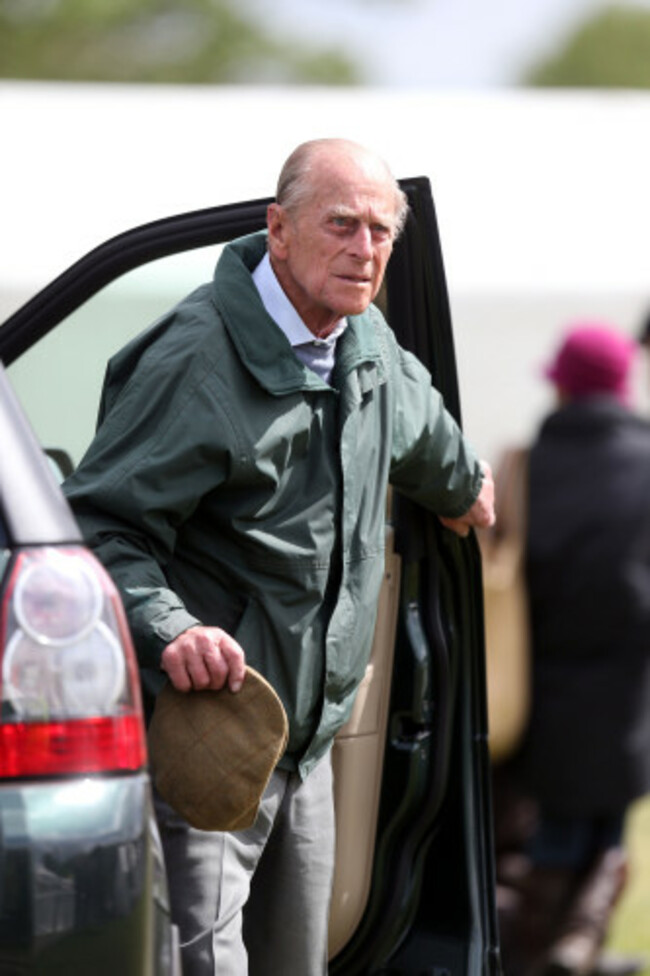
He put a Scottish driving instructor on the spot with this question in 1995.
“You managed not to get eaten, then?”
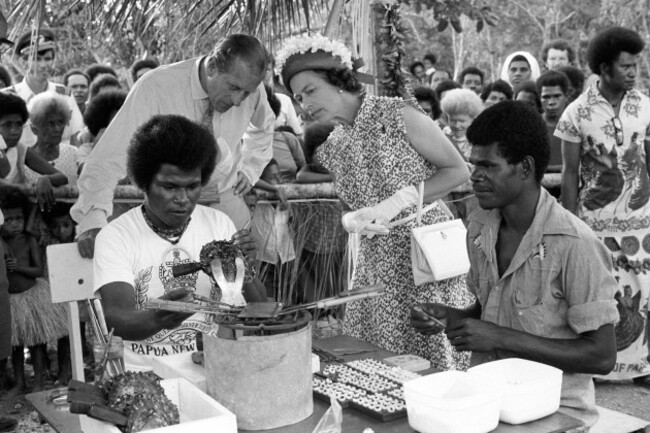
Speaking to students who’d trekked through Papua New Guinea in 1998.
“If you stay here much longer, you’ll all be slitty-eyed”
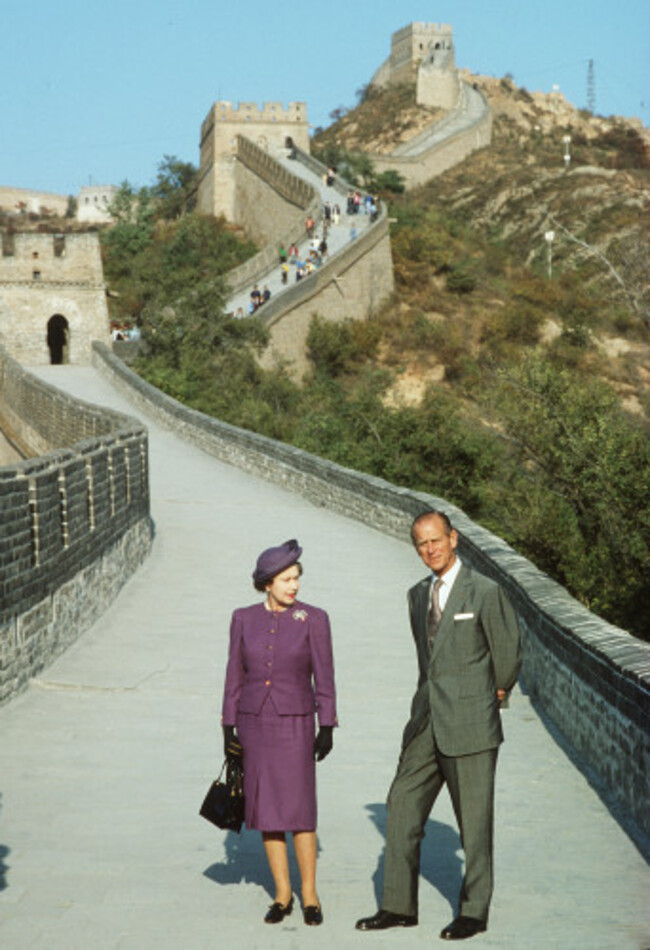
A comment to a group of British students during a visit to China in 1986.
“You are a woman, aren’t you?”
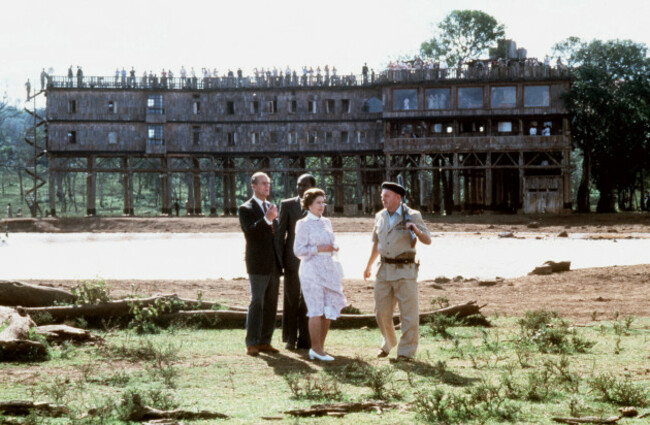
He felt the need to double-check with a woman presenting him with gifts in Kenya in 1984.
“I declare this thing open, whatever it is”
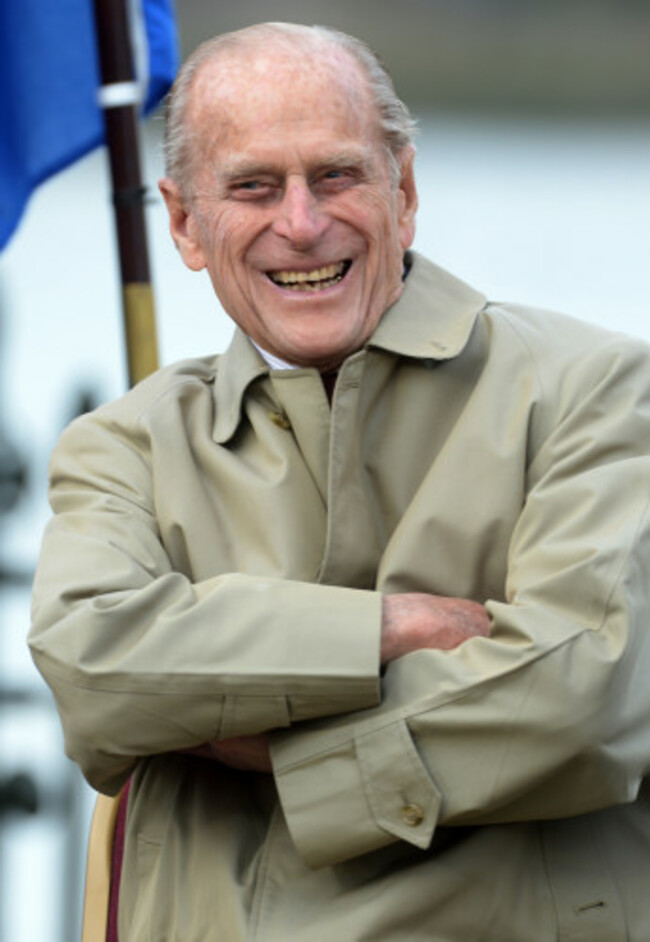
Showing some good statesmanlike qualities on a Canadian visit in 1986.
“That looks beautiful doesn’t it, darling?”
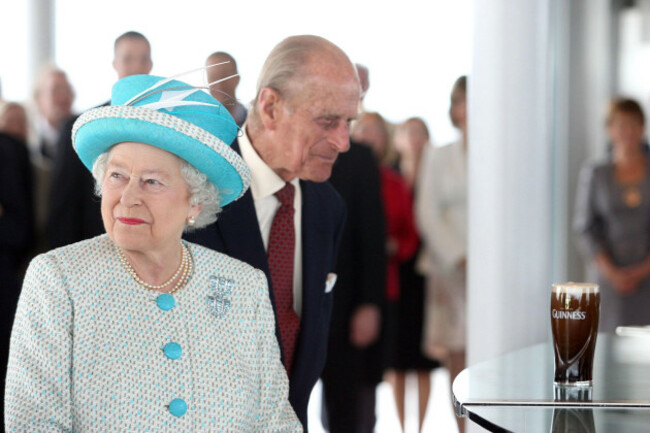
We’re not 100% sure he actually said this last one.
With reporting from AFP

To embed this post, copy the code below on your site








have your say