Sign in. It’s quick, free and it’s up to you.
An account is an optional way to support the work we do. Find out more.
Sign in. It’s quick, free and it’s up to you.
An account is an optional way to support the work we do. Find out more.
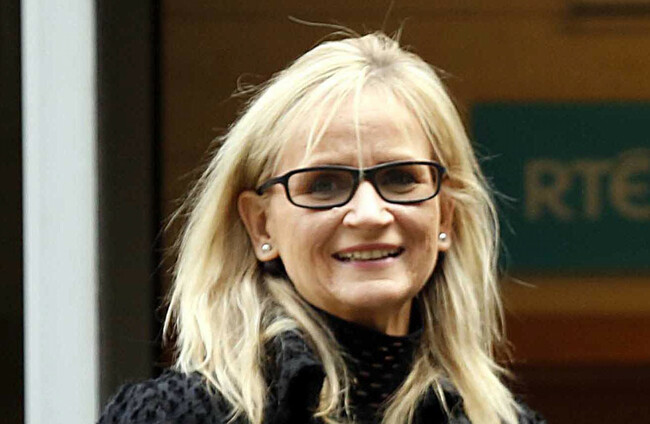
RTÉ DIRECTOR GENERAL Dee Forbes has said that RTÉ is in dire need of a new TV licence model as the current one “is fundamentally unfit for purpose”.
She told the Public Accounts Committee that although “it may appear to some that RTÉ has plenty of money” the organisation is in desperate need of a new, modern source of funding that encompasses non-traditional media.
The public service broadcaster is facing “urgent and substantial financial challenges” the committee was told, and by extension, so was “the broader creative sector that relies on a healthy RTÉ”.
She argued that RTÉ’s public service activities were “substantially in excess” of the funding it receives and that the balance is met through advertisements, which she said has “fallen by 36% or close to €90 million in the last ten years”.
RTÉ is not asking for additional money from households, we are simply asking that the money the State itself believes is appropriate as a TV licence fee be collected.
The Oireachtas Communications Committee recommended that the current licence fee of €160 be replaced by a ‘broadcasting charge’ which would charge each household that would have a device that could view RTÉ’s content (this would include laptops and smartphones).
Forbes listed a number of ways in which RTÉ was losing potential revenue through the “unfit” current TV licence model:
She said that since 2008 funding has fallen by in excess of €100 million, or 23%.
This has, she argued, resulted less funding than is needed in areas such as TV drama, children’s programming, independent production, and the arts and culture section.
She said it was also the reason it had less foreign correspondents.
“We have sold a significant portion of land in Donnybrook”, Forbes said, adding that the funds would be used to update its “digital infrastructure and building fabric that has been in existence since the 60s”.
“We have substantially reduced our costs, by €96 million between 2008 and 2016, or some 22% – through a whole series of measures, including significant pay cuts and a large reduction in our workforce.
But just as there is, rightfully, a responsibility on me and us to modernise and change RTÉ, surely there is also an obligation on policy makers and government to modernise the TV licence system which is fundamentally unfit for purpose and unreflective of how people consume and interact with public service media and content today?

To embed this post, copy the code below on your site










have your say