Sign in. It’s quick, free and it’s up to you.
An account is an optional way to support the work we do. Find out more.
Sign in. It’s quick, free and it’s up to you.
An account is an optional way to support the work we do. Find out more.
THE BEST PHOTOGRAPHY can show you parts of the world, and elements of life, that you have never witnessed or even imagined to have existed.
The finalists in the Smithsonian Magazine’s 2014 Photo Contest do exactly that. Selected from over 26,500 entries, the 10 finalists in six categories bring us to another place with creatures and people we might never have got to know without the photographers’ lens and skills.
Voting on the magazine’s website is now open for the Readers’ Choice prize who will receive $500 when the Grand Prize is announced at the end of this month.
We’ll bring you more of the entries later today, but first, here are the 10 finalists in the Natural World category for your enjoyment.
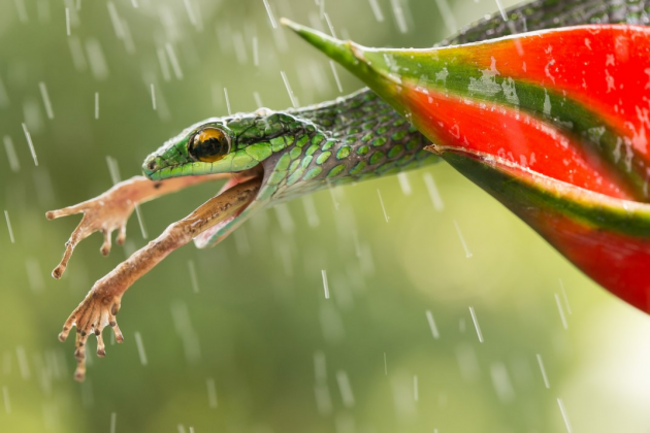
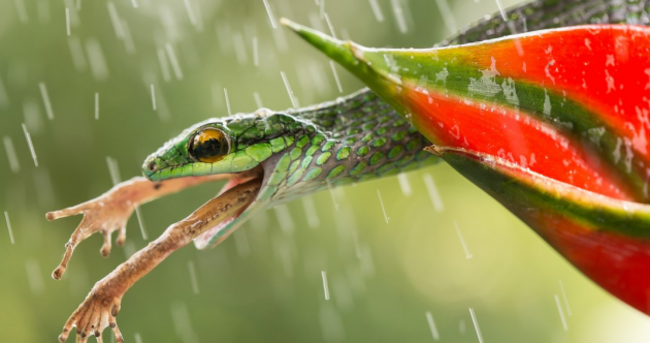
“During my latest trip to Costa Rica, I managed to photograph this beautiful snake in the worst of all situations (for the frog, of course),” says Reusens, the photographer.
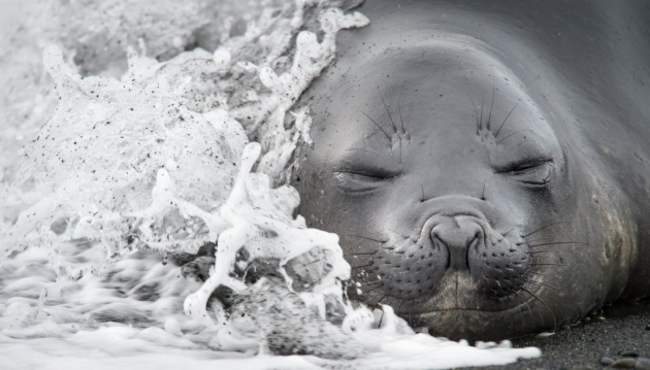
A wave strikes an elephant seal pup in South Georgia Island during January 2014. “Young elephant seals were sprawled all over the upper beaches in a remote sub-Antarctic region of the Atlantic, but for some reason this youngster had chosen to lie down to rest right within the surf,” explains Smith.
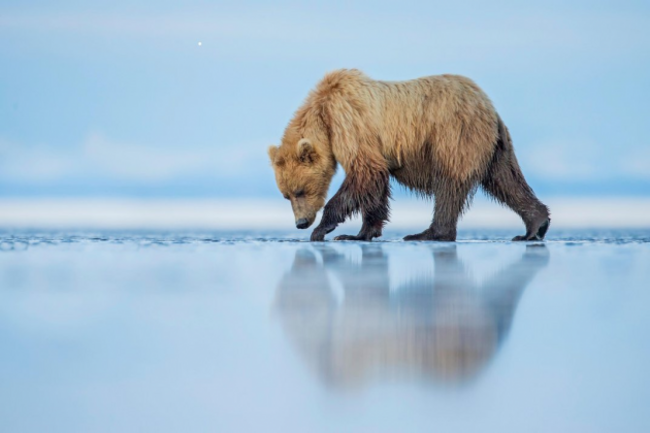
A brown bear walks across an estuary in Lake Clark National Park in Alaska.
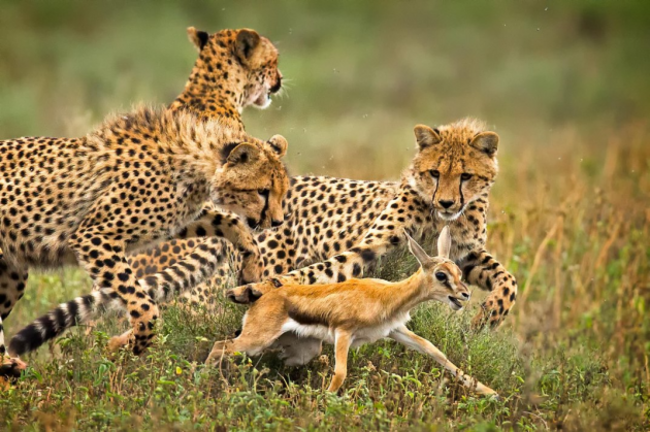
Young cheetahs learn to hunt by chasing down a fawn in Ngorongoro National Park in Tanzania in February 2013.
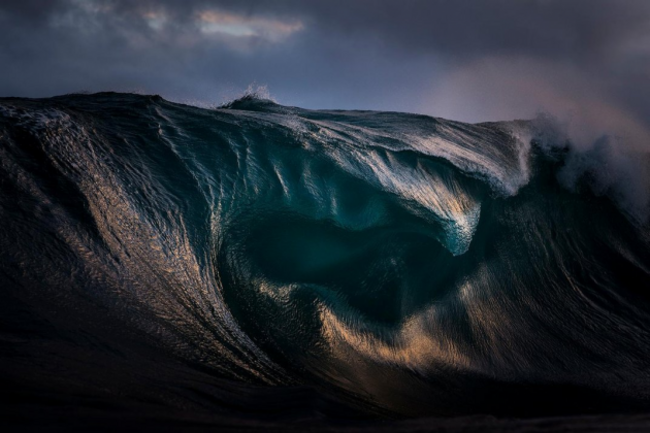
Light refracts through the curves of a breaking wave in New South Wales, Australia.
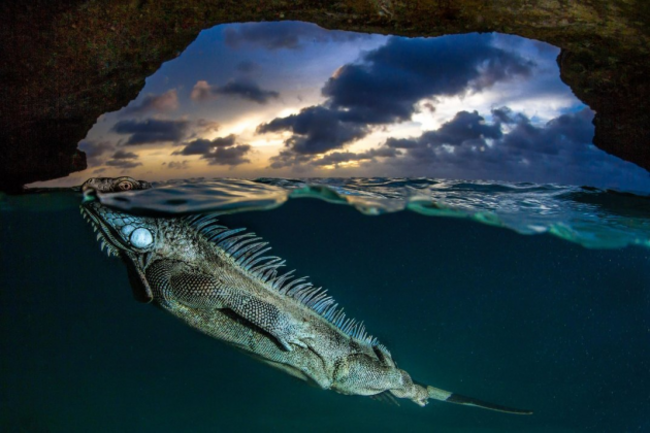
A green iguana surfaces for air. “I had decided to take some over/under water photographs of the sunset from inside one of my favourite Bonaire caves,” says Mittiga. “There I was, fully equipped with my wetsuit, fins, mask and snorkel and my camera… when a curious friend interrupted my solitude.”
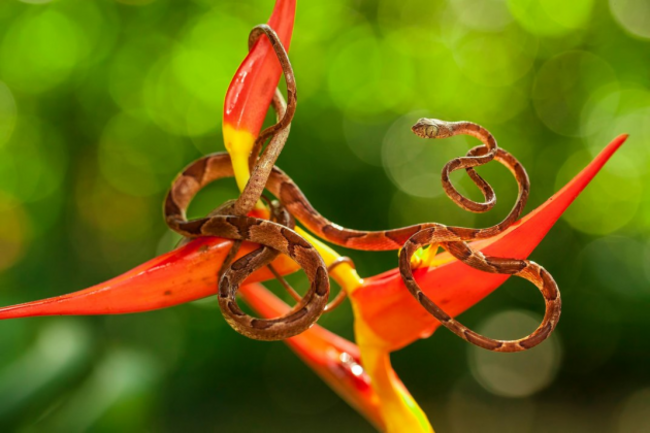
The caracolera is a common, but restless snake in Costa Rica. “Getting a photograph of his whole body was the challenge,” says Cubero Vega.
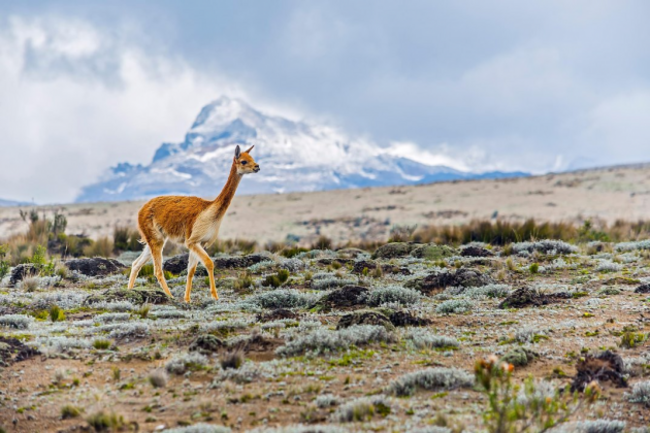
A vicuna, one of four South American camelids, wanders from its group in the Ecuadorian Andes.
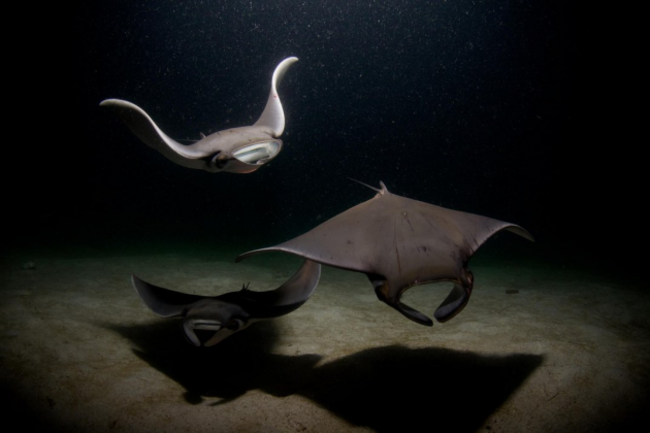
Mobula rays gather to feed on plankton attracted by dive lights. “The light coming from above the mobules gives this frame a divine aspect, as if the light was coming down from the heavens, ironic since these animals are sometimes mistakenly called ‘devil rays’,” says Labrecque.
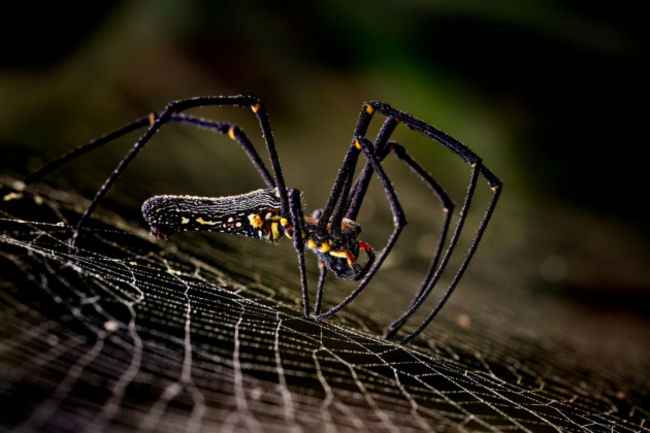
A female golden silk orb-weaver rests on her neck. “I was out in the countryside of Hong Kong photographing birds mainly, but had the macro lens with me in case something came up. It started raining lightly. On the way out, I noticed this huge web shimmering in the evening light, so rain or no rain, this was an opportunity not to be missed,” Chandar told Smithsonian.com.
To vote for your favourite in the Readers’ Competition, click here.

To embed this post, copy the code below on your site















have your say