Sign in. It’s quick, free and it’s up to you.
An account is an optional way to support the work we do. Find out more.
Sign in. It’s quick, free and it’s up to you.
An account is an optional way to support the work we do. Find out more.
LAST UPDATE | 26 Mar
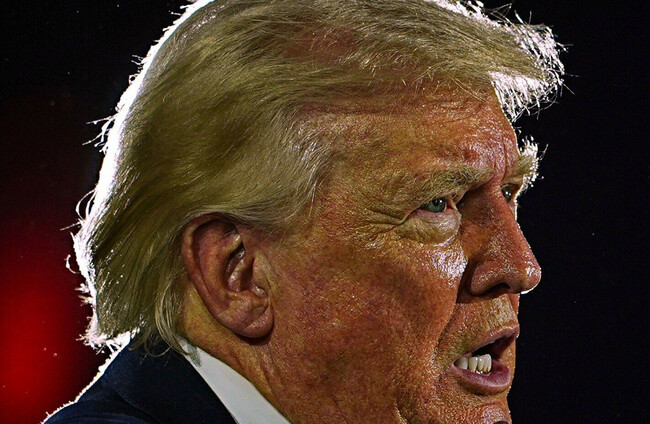
US PRESIDENT DONALD Trump has meanwhile insisted that Iran is quietly taking part in negotiations to end the war, despite repeated denials from Tehran.
Speaking at a dinner for Republican lawmakers, Trump claimed Iranian officials “want to make a deal so badly” but are afraid to say so publicly.
“They are negotiating, by the way,” he said. “But they’re afraid to say it, because they figure they’ll be killed by their own people. They’re also afraid they’ll be killed by us.”
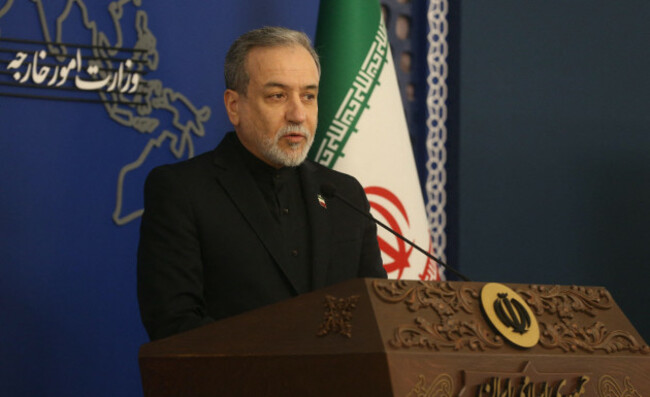
His comments came after Iran’s foreign minister Abbas Araghchi said the country had no intention of negotiating with Washington.
Trump repeated his assertion that Iran was being “decimated” in the conflict now in its fourth week, even though Tehran still maintains an effective stranglehold over the crucial Strait of Hormuz oil route.
“At present, our policy is the continuation of resistance,” Araghchi said on state television. “We do not intend to negotiate.”
The White House has maintained that talks are ongoing. Press Secretary Karoline Leavitt said discussions were “productive” but warned that the US was prepared to escalate further if no deal is reached.
“If Iran fails to accept the reality of the current moment… President Trump will ensure they are hit harder than they have ever been hit before,” she said. “President Trump does not bluff and he is prepared to unleash hell.”
Leavitt declined to confirm who the US is engaging with in Tehran following the assassination of Iran’s supreme leader, though reports have pointed to senior political figures acting as intermediaries.
Iranian state media has reported that Tehran responded “negatively” to a proposed 15-point US plan aimed at ending the conflict, with officials instead putting forward their own conditions, including guarantees against further attacks and compensation for damage caused.
Meanwhile, two people have been killed and three others injured after debris from an intercepted ballistic missile fell on the outskirts of Abu Dhabi, as the war in the Middle East continues to escalate.
Authorities said the incident caused damage to a number of vehicles, with the casualties confirmed by the Abu Dhabi Media Office.
Abu Dhabi authorities have responded to an incident involving falling debris in Sweihan street, following the successful interception of a ballistic missile by air defence systems. The incident resulted in the deaths of two unidentified individuals, three injuries, and damage to…
— مكتب أبوظبي الإعلامي (@ADMediaOffice) March 26, 2026
The missile was intercepted by air defence systems before the debris landed in a residential area.
Despite US claims that Iran has been weakened, Tehran continues to exert control over the Strait of Hormuz, a key global oil chokepoint, contributing to rising energy prices and wider economic concerns.
The fallout is still being felt in Ireland, where petrol, diesel and heating oil costs have surged in recent weeks.
Although excise duty cuts on petrol and diesel came into effect yesterday, there have been mixed reports as to whether the reductions have yet been reflected at the pumps.
Vincent Jennings, CEO of the Convenience Stores and Newsagents Association, told The Journal that any delay in passing on the price reductions to customers is due to how fuel is bought and sold, rather than profiteering.
“Nobody can either sell, or be expected to sell at a price that’s lower than they bought it for,” he said, adding that it may take several days for lower prices to filter through.
Additional reporting from AFP

To embed this post, copy the code below on your site













have your say