Sign in. It’s quick, free and it’s up to you.
An account is an optional way to support the work we do. Find out more.
Sign in. It’s quick, free and it’s up to you.
An account is an optional way to support the work we do. Find out more.
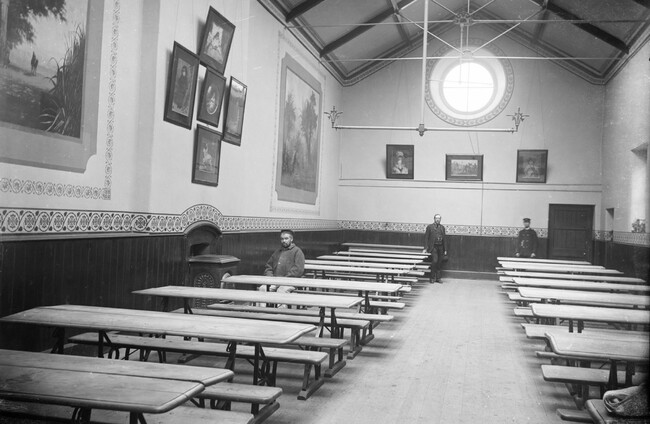
THE 1926 CENSUS records indicate that over half of the 16,000 people recorded as being in institutions at the time were confined to mental hospitals.
The Census data, which was published last weekend, lists the names of people detained in industrial and reformatory schools, mental hospitals, prisons and Magdalene Laundries.
Analysing the data, The Journal calculated that of the 2,972,451 people recorded in Ireland on the night of the 1926 Census, at least 0.5% were detained in institutions – however, the actual figure is likely much higher.
Data was not available for several institutions, while some people recorded as present in the institutions on the night of the Census would have been staff members.
People in Mother and Baby Homes are also not included in the figure, as the National Archives did not categorise the centres as institutions in the release of the records.
The National Archive told The Journal that the institutions we now know as Mother and Baby Homes were often mixed sites in 1926. The addresses might contain, for instance, a convent and a hospital too – meaning it would not be possible to give a specific number.
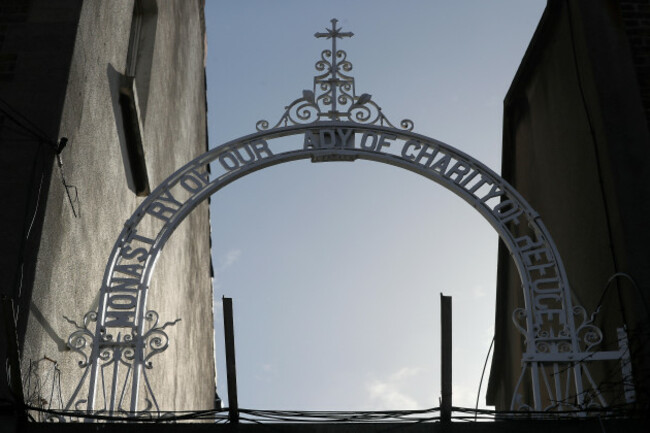
The details may be scant, but the Census data reveals a grim picture of the lives of people in institutions in Ireland at the time.
Many institutions didn’t even use full names – instead they used initials. Others didn’t include any additional information like age, religion or family details.
The records for industrial and reformatory schools noted that many of the children detained had lost at least one parent, while the residents of the former Carriglea Park Industrial School for Senior Boys, in Dublin, had all almost exclusively lost their fathers.
The data also revealed more information about the women and girls detained in Magdalene Laundries. They ranged from girls in their young teens to older women, and in many cases were recorded as married.
The largest proportion were confined to mental hospitals, often known as ‘district lunatic asylums’. Of the 16,086 people listed as being in institutions from the available data, 8,973 were in mental hospitals.
2,052 people were recorded at Grangegorman Mental Hospital in Dublin alone.
The institutions included all ages and genders. Veronica Davolen, from Dublin, who was aged six at the time, was amongst the youngest in Grangegorman Mental Hospital, but there were many other people aged under 18 also in mental institutions.
Again, many detainees were listed only by their initials, for example, MK, a 15-year-old girl, and TM, an eight-year-old girl, who were both from Dublin and recorded in Grangegorman Mental Hospital
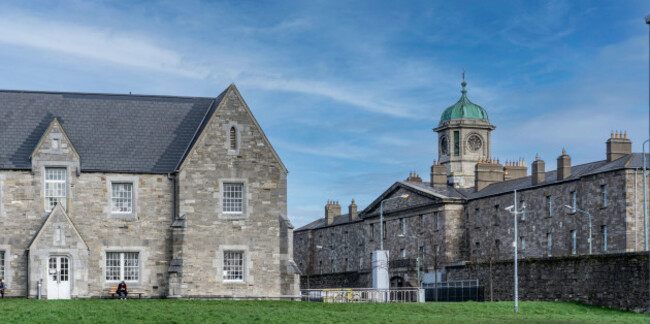
Others had little information beyond their name included. For example the entry on Edward Pamela McCarthy in Shankiel Mental Hospital included no information on his age, religion or marital status.
The high figures from the 1926 Census stand in stark contrast to the data covering the area from the most recent Census year of 2022. Figures from the Health Research Board indicate only 1,913 people were recorded as in-patients in psychiatric units in 2022.
Dr Damien Brennan, author of Irish Insanity: 1800 – 2000, has noted that data shows Ireland had the highest level of mental hospital usage per 100,000 internationally in the 1950s, with over 20,000 people recorded in mental hospitals in the mid-1950s.
But why were so many people detained in mental hospitals throughout Irish history?
2026 research from Brendan D Kelly of Trinity College suggests that a combination of legislation and social conditions contributed to the high levels of mental hospital usage.
“The asylum system became a repository not only for the mentally ill but also for the socially marginalised and the economically dispossessed,” he said.
According to Kelly, the Dangerous Lunatic Act 1838 made it relatively easy to detain people in mental hospitals, “often without rigorous clinical justification”.
The legislation was put through government quickly due to widespread fear of mentally ill people following the highly publicised shooting of prominent businessman Nathaniel Sneyd by John Mason, a man with apparent mental illness.
“Over time, this resulted in a significant increase in admissions, many of which were driven less by clinical need and more by familial, social or economic pressures,” Kelly said.
He said that once an individual was confined to an institution, release could be difficult.
After the Act was introduced, the number of people detained in institutions rose, while the number discharged decreased.
Later attempts at reform of the legislation were made, but Kelly said its shadow “proved difficult to dispel”.
“Its implicit model of large-scale, custodial asylum care remained the cornerstone of Irish mental health policy into the 20th century, shaping attitudes toward mental illness and disability long after the legislation itself had faded from immediate relevance.”
The researcher said that social conditions also contributed to high levels of detainment in mental hospitals.
“Widespread poverty, inadequate housing, poor nutrition and social isolation made many individuals more vulnerable to various personal problems and subsequent institutionalisation.”
His research highlighted that women were particularly vulnerable to confinement as social problems were often compounded by limited access to education, employment and healthcare, and deviations from the strict gender norms of the time could easily be interpreted as signs of mental illness.

To embed this post, copy the code below on your site















have your say