Sign in. It’s quick, free and it’s up to you.
An account is an optional way to support the work we do. Find out more.
Sign in. It’s quick, free and it’s up to you.
An account is an optional way to support the work we do. Find out more.
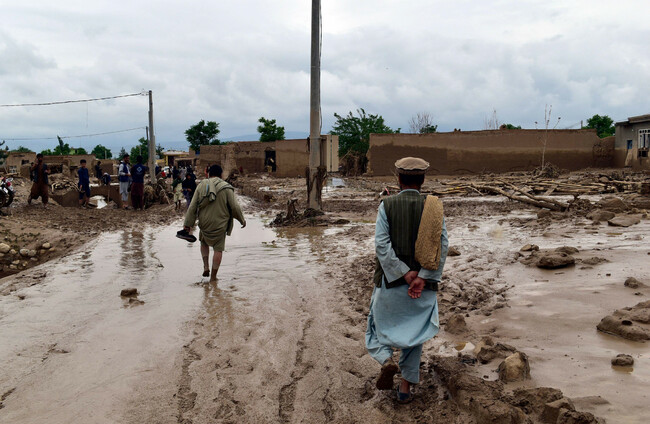
FLASH FLOODS FROM seasonal rains in Afghanistan have killed hundreds of people and injured a “substantial number”, a Taliban official said.
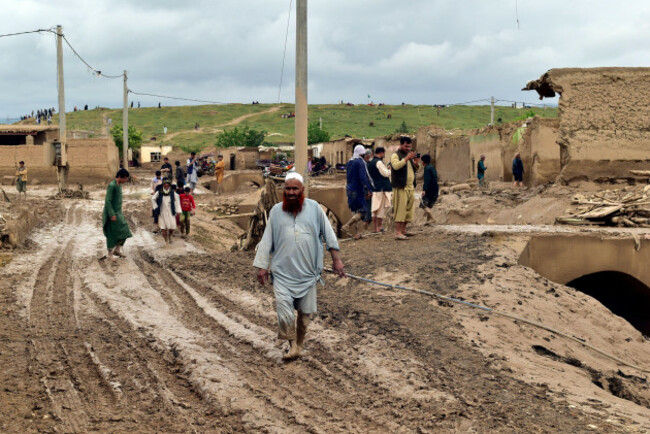
The floods mostly hit the north of the country. The province of Baghlan bore the brunt of the deluges yesterday with officials reporting at least 50 people dead and properties destroyed in multiple districts.
More than 200 people were killed in Baghlan alone, the UN’s International Organization for Migration (IOM) told the AFP news agency.
In one district, Baghlani Jadid, up to 1,500 homes were damaged or destroyed and “more than 100 people died”, Mohammad Fahim Safie, the National Programme Officer leading IOM’s emergency response said, citing government figures.
In neighbouring Takhar province, state-owned media outlets reported the floods killing at least 20 people.
Zabihullah Mujahid, chief spokesman for the Taliban government, posted on social media today saying that “hundreds … have succumbed to these calamitous floods, while a substantial number have sustained injuries”.
He said the provinces of Badakhshan, Baghlan, Ghor and Herat were the worst hit and added that “the extensive devastation” has resulted in “significant financial losses”.
He also said the government had ordered all available resources mobilised to rescue people, transport the injured and recover the bodies of the dead.
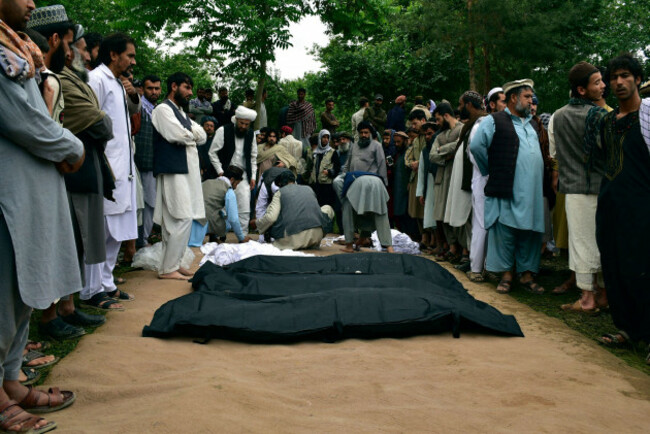
The Taliban defence ministry said today that the country’s air force has started evacuating people in Baghlan, and has rescued a large number stuck in floods and taken 100 injured people to military hospitals in the region.
At least 70 people died from heavy rains and flash flooding in the country in April, officials said. About 2,000 homes, three mosques and four schools were also damaged.
Afghanistan was also hit by a 6.3 magnitude earthquake in the northeast of the country in October 2023, which killed around 1,500 people.
The Taliban government that took full control of Afghanistan after the US and its allies pulled their military forces out in 2021. Since then it has been financially crippled by the US freezing its financial assets, a sum of $7 billion.
In 2022, amidst the country’s economic collapse and a growing hunger crisis, the Biden Administration set up a fund containing $3.5 billion of the Afghan Central Bank reserves. That money is not accessible to the Taliban and is instead administered by the Swiss Government and Afghan economists.
The UN’s World Food Programme says that 15.8 million of the country’s 41.7 million population suffers from acute food insecurity and that one in three Afghans do not know where their next meal will come from.
With reporting from AFP and Press Association.

To embed this post, copy the code below on your site











have your say