Sign in. It’s quick, free and it’s up to you.
An account is an optional way to support the work we do. Find out more.
Sign in. It’s quick, free and it’s up to you.
An account is an optional way to support the work we do. Find out more.
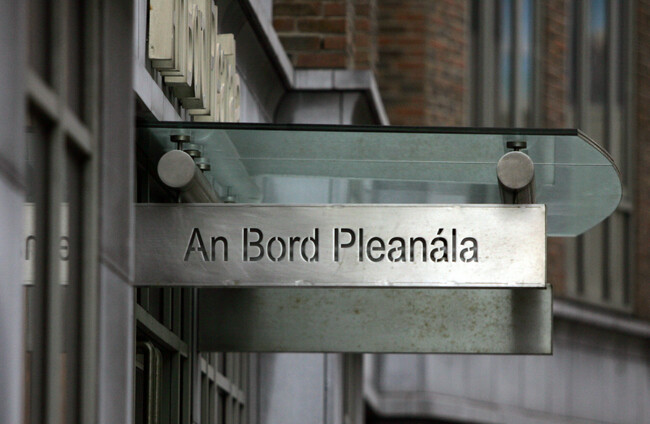
LAST NIGHT THE ‘landmark’ Planning and Development Bill was approved by the Houses of the Oireachtas following some controversy.
In the last few days, environmentalists ramped up opposition to the bill over an amendment which sees liquified natural gas (LNG) facilities designated as “strategic infrastructure” in the State, meaning the building of LNG terminals may be fast-tracked in the future.
These concerns were raised in the Dáil by some members of the opposition, including the Labour Party, last night.
Labour leader Ivana Bacik also raised concerns about the impact the bill will have on the delivery of homes across the country.
Others like Social Democrats TD Cian O’Callaghan and People Before Profit TD Richard Boyd Barrett raised the same concern and also argued that the new amendments to the legislation were being rammed through the Dáil in just three hours. This was disputed by Housing Minister Darragh O’Brien, who argues that the bill was subjected to more than 175 hours of debate across both the Dáil and Seanad.
In the end though, the bill passed by a vote of 72 votes to 60 and will now be signed into law.
One of its key changes relates to the State’s planning body. So what do you need to know?
One of the core elements of the legislation is the restructuring of An Bord Pleanála, which will be renamed An Coimisiún Pleanála.
Remember when Facebook rebranded to ‘Meta’ after the Cambridge Analytic scandal? It’s a bit like that.
Over the last few years An Bord Pleanála’s reputation has been completely smeared by a number of high profile governance issues and controversies.
A review by the Office of the Planning Regulator in 2022 found that the body was in need of “urgent reform”, with the changes in the Planning and Development Bill coming as part of an effort to restore public confidence in the body.
It’s not just the name change though, as part of the Planning and Development Bill significant restructuring and resourcing of the body (say it with me now: An Coimisiún Pleanála), will be undertaken.
A core tenet of the restructuring is to separate decision making roles from corporate positions.
This means that a chief executive role will be established to run the body while a new office of a Chief Planning Commissioner will be set up to oversee the work of 14 planning commissioners who are responsible for making appeals and applications decisions. This commissioner body will replace the current chairperson and board member structure that exists in An Bord Pleanála.
Current chairperson of An Bord Pleanála, Peter Mullan, is set to become the new chief executive once the rebrand is complete.
The legislation also aims to majorly cut delays in the planning process, introducing new statutory timelines for decisions, with applications ranging from 18 weeks for appeals to 48 weeks for more complex issues.
If these timelines are not met, planning authorities will be hit with penalties.
The Housing Minister argues that these changes, when implemented, will help ensure greater efficiency and transparency in the Irish planning system.
The Irish Planning Institute (which represents planners), however, says it will work with Government on the changes but that what is fundamentally needed to improve the system is more planners.

To embed this post, copy the code below on your site















have your say