We need your help now

Support from readers like you keeps The Journal open.

You are visiting us because we have something you value. Independent, unbiased news that tells the truth. Advertising revenue goes some way to support our mission, but this year it has not been enough.

If you've seen value in our reporting, please contribute what you can, so we can continue to produce accurate and meaningful journalism. For everyone who needs it.

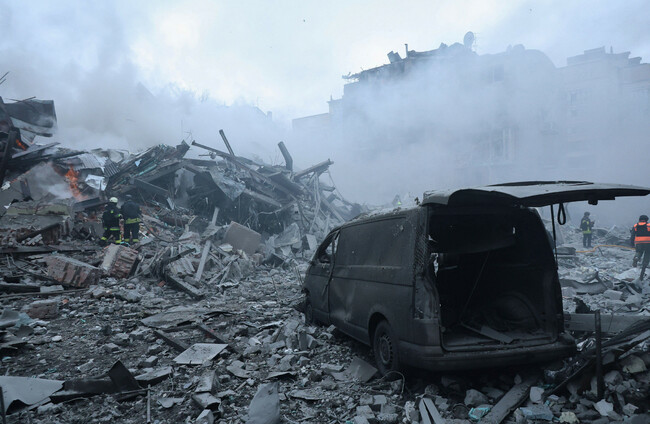
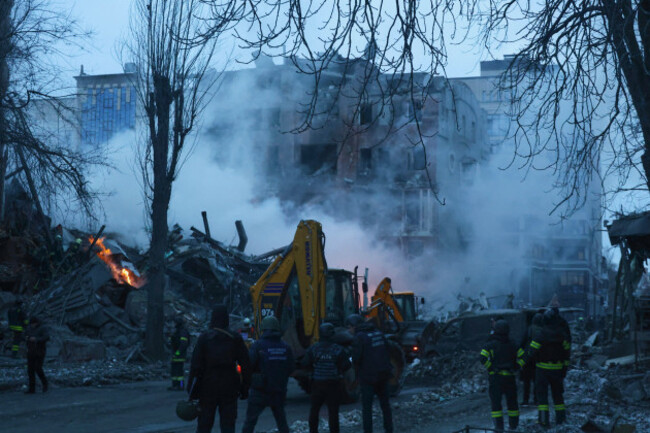
Vehicle destroyed by Russian missile attack Kharkiv, Ukraine, 2 Jan., 2026. The strike destroyed a five-storey residential building. Alamy Stock Photo

'Culture of secrecy': How Ukraine is grappling with drug use on the frontlines

Despite drug use being found to be ‘pervasive’ in the Ukrainian military, the army’s approach to drug use is one of complete prohibition.

AS THE WAR enters its fourth year in Ukraine, it’s been warned that the “fragile and harsh situation” is leading to “pervasive” drug use among some along the frontlines.

Tomorrow marks the fourth anniversary of Russia’s full-scale invasion of Ukraine.

In the midst of the war, soldiers in Ukraine are using drugs on the frontlines for various reasons, such as staying awake and alert during demanding missions, to cope with the physical pain, or to deal with what they have witnessed.

While there are no official statistics on drug use within the Ukrainian army, it has been warned that it is an “increasingly concerning issue”.

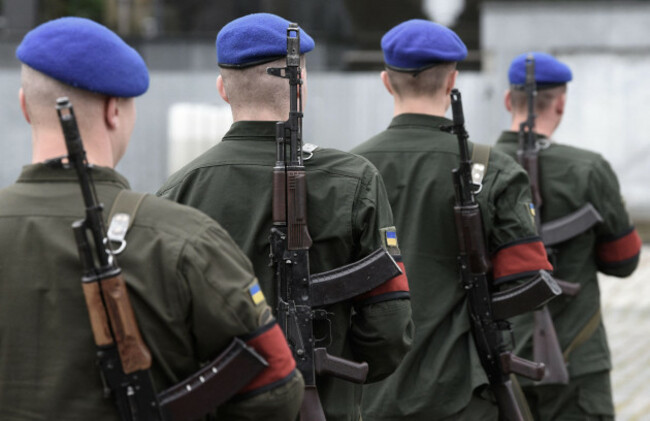
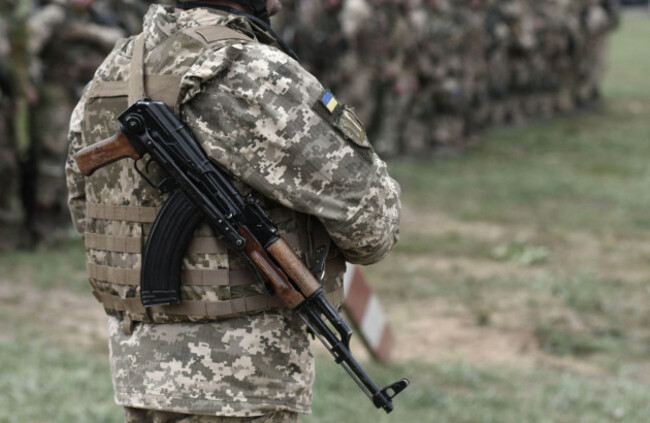
soldiers-with-assault-rifles-ak-ukrainian-soldiers In 2023, the Ukraine Parliament introduced random drug testing of soldiers

Ganna Dovbakh, the Executive Director of the Eurasian Harm Reduction Association, told The Journal that the ongoing war is causing “a lot of challenges in keeping mental health in place and keeping away from addiction”.

But while Dovbakh said everyone highlights the issue of mental health, she warned that addiction is “more stigmatised”.

And while some organisations are “brave enough to start raising issues about treatment of addictions connected with mental health,” Dovbakh said this will “need a lot of resources” in a country with a budget focused fighting Russian aggression.

‘Culture of secrecy’

Global Initiative, a policy research institute dedicated to researching and understanding organised crime, last year published a report on drug use in the Ukraine military and found it is “perversive”.

This is despite the Ukrainian Army’s approach to drug use in the military being one of complete prohibition.

In January 2023, the Ukraine Parliament introduced random drug testing of soldiers and detected drug use can be punished with a loss of pay.

Global Initiative warned that this “culture of secrecy is doing little to prevent drug use and will actively hinder the provision of care for these soldiers when they return from the war”.

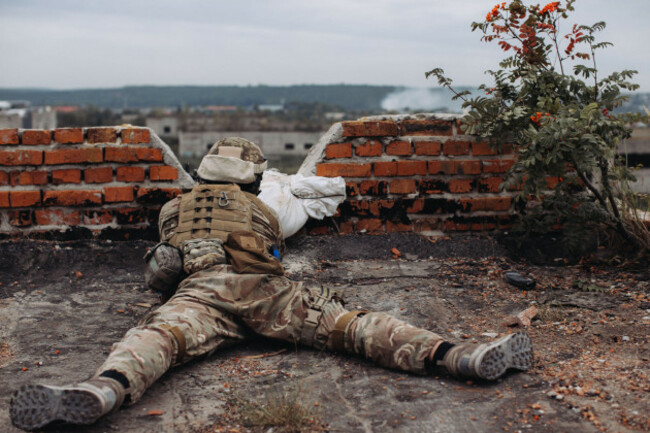
ukrainian-defender-on-the-front-line-war-between-ukraine-and-russia File image of a Ukraine soldier on the front line Alamy Stock Photo Alamy Stock Photo

‘Death by cold’

Dovbakh noted that for some, the war stretches back 12 years to when Russia annexed Crimea.

She added that the past six months in particular have been difficult, with blackouts and freezing temperatures.

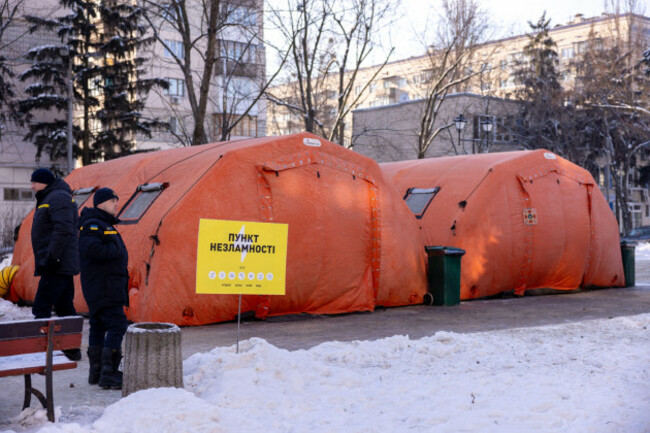
Last month, an overnight Russian attack left half of Kyiv without power amid temperatures of -14 degrees.

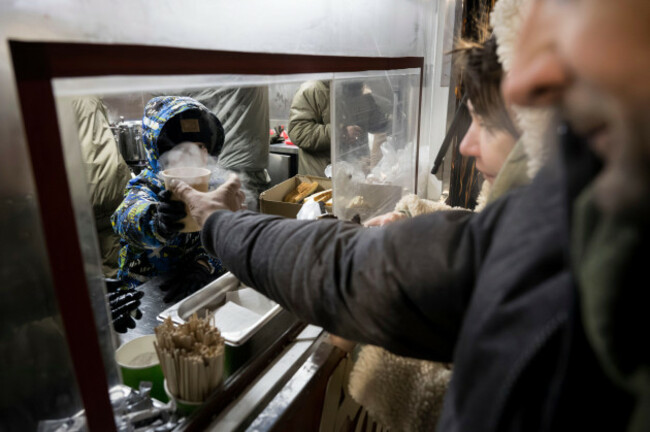
a-kyiv-resilience-point-provides-heat-and-electricity-to-residents-enduring-weeks-of-power-and-heating-cuts-standing-amid-vast-residential-apartment Image taken on 16 Jan., 2026, of Kyiv resilience point providing heat and electricity to residents enduring weeks of power and heating cuts Alamy Stock Photo Alamy Stock Photo

“There are no safe places and now we have this energy crisis – this a ‘kholodomor’.”

“Kholodomor” is a Ukrainian term that literally means “death by cold”.

Dovbakh added that problem drug use is prevalent among “civilians who are surviving the bombing,” as well those serving in the army.

She said there are indications that people are using different substances connected with injuries and opioid painkillers.

Global Initiative found that soldiers have been using opioids as part of their informal first aid kits since 2014, despite concerns over its addictive properties.

Soldiers can become quickly acclimatised to its pain-relieving qualities and seek higher doses and dependence can begin after only three days’ use.

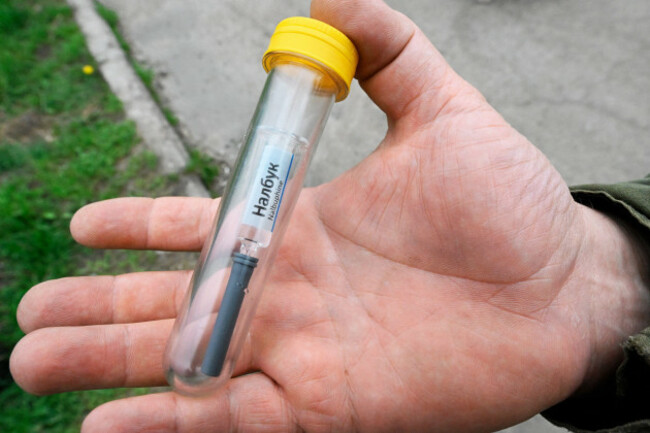
Last year, Ukraine implemented stricter controls on the sale of nalbuphine, an opioid of particular concern.

carrying-out-a-special-military-operation-of-the-russian-armed-forces-in-ukraine-the-situation-in-mariupol-nalbuk-nalbuphine-is-an-opioid-analgesic-19-04-2022-ukraine-donetsk-region-mariupolph File image of soldier holding Nalbuphine in Mariupol Alamy Stock Photo Alamy Stock Photo

Dovbakh described this change as “very good for Ukraine” and added that “there is important advocacy for medical staff to avoid this misuse of the opioid or the medicalisation of painkillers”.

‘Fragile situation’

Meanwhile, Dovbakh remarked that people in Ukraine are facing a “fragile and harsh situation, where you cannot recover from the trauma”.

Dovbakh said that while everyone highlights the issue of mental health, addiction is “more stigmatised”.

There have even been instances of Russia spreading propaganda regarding drug use in the Ukrainian Army.

Global Initiative remarked that “setting the issue in its proper context is the best way to de-sensationalise it” and called for a move “beyond reductive headlines and towards practical policy solutions”.

Dovbakh praised the work of organisations “brave enough to start raising issues about harm reduction and treatment of addictions connected with the mental health”.

Harm reduction refers to a set of activities aimed at minimising the negative physical and social impact incurred by the behaviours related to drug use.

rescue-workers-carry-out-cleanup-operations-following-a-russian-missile-strike-on-a-residential-building-in-kyivskyi-district-of-kharkiv-ukraine-on-january-2-2026-the-attack-resulted-in-the-destru Rescue workers carry out cleanup operations following a Russian strike on a residential building in Kharkiv, Ukraine, 2 Jan., 2026. Alamy Stock Photo Alamy Stock Photo

Elsewhere, Global Initiative remarked the there is now a “lucrative and widespread illegal drug trade at the front line” and Dovbakh said there are indications of “small laboratories producing stimulants around the front line”.

“This is not only for those who are serving, but also local civilians as well, because they are under a lot of pressure.”

However, Dovbakh noted that the most frequently used substance remains alcohol.

“Even before the war, we didn’t have a proper, developed system for coping with alcohol dependency,” said Dovbakh.

“We have known about a problem with alcohol dependency for ages, yet there was no proper system of harm reduction, treatment information, AA groups.”

Global Initiative warned meanwhile the opioids are “especially harmful when used in combination with alcohol”.

Criminalisation

There has been an increase in military personnel convicted of drug possession in Ukraine since Russia’s invasion in 2022 – though the number of military personnel has also massively increased over the same period.

In 2022, there were 332 recorded offences for drug possession in the Ukrainian military – this shot up to 1,913 between January and October 2024.

soldier-of-ukraine-with-assault-rifle-ak-ukrainian-military-war-in-ukraine File image of Ukrainian soldier with assault rifle Alamy Stock Photo Alamy Stock Photo

Dovbakh remarked that Ukraine “doesn’t have a very good drug policy” and warned that for an opioid user, “the leftovers in your needle could be enough to put you in jail for seven years”.

Last year, Ukraine joined the UN’s Commission on Narcotic Drugs and said that despite the war, it remained committed to supporting harm reduction services.

While Dovbakh said Ukraine has well developed services for people who use drugs, she noted that these services rely on international funding.

“Ukraine is more even more dependent on international funding for this after the war started,” said Dovbakh, “because the budget is very limited and State could not pay.

“We never had so many veterans and soldiers with addiction, and we never had so many victims of war.”

Dovbakh also cited a need to “develop services in different way for new groups with new drugs” and pointed to some pilots on providing stimulant substitution treatment.

Stimulant substitution treatment is a harm reduction practice which involves prescribing pharmaceutical-grade stimulants to people who are dependent on illegal stimulants.

“Some drug treatment doctors recently went from Ukraine to Czechia to learn how they are doing this and to implement this pilot in Ukraine,” said Dovbakh.

“There are plenty of innovations and a very good strategy on drug policy was adopted last year, but it will need a lot of resources.”

veterans-of-the-3rd-separate-assault-brigade-of-ukraines-armed-forces-serve-free-hot-meals-in-a-residential-neighborhood-for-people-without-power-in-their-homes-in-kyiv-ukraine-saturday-jan-31-2 Veterans of Ukraine's Armed Forces serve free hot meals for people without power in Kyiv, 31 Jan, 2026 Alamy Stock Photo Alamy Stock Photo

She added that in the interim, local communities are rallying around to help.

“They all try to help and it is crucial to give them skills, knowledge and non-stigmatising language and the possibility to provide local community support.”

One such method is having “Veteran Assistants” in hospitals and local administrations.

These are community-based specialists who provides support to veterans transitioning from military to civilian life

“We have helpers everywhere in the local community because veterans need to be supported in the finding out how to survive with PTSD, how to cope with their family’s poverty and lack of work.”

Tony Duffin, a Dublin-based social policy consultant and drug sector expert, has been working with harm reduction groups in Ukraine to respond to the ongoing crisis.

He told The Journal that “the damage caused by war is not just physical, but often psychological and long‑lasting”.

He said he “deeply admires the resilience” of Ukraine but added that he is “saddened by what they’ve been forced to endure”.

“Trauma‑informed services, and a trauma‑aware society, are essential for Ukraine’s future,” said Duffin.

“Anniversaries are important moments to remember, but we must not forget that the impact of war does not simply end when the fighting stops, which I know we all hope will be soon.”

Readers like you are keeping these stories free for everyone...
A mix of advertising and supporting contributions helps keep paywalls away from valuable information like this article. Over 5,000 readers like you have already stepped up and support us with a monthly payment or a once-off donation.

Close
JournalTv
News in 60 seconds