We need your help now

Support from readers like you keeps The Journal open.

You are visiting us because we have something you value. Independent, unbiased news that tells the truth. Advertising revenue goes some way to support our mission, but this year it has not been enough.

If you've seen value in our reporting, please contribute what you can, so we can continue to produce accurate and meaningful journalism. For everyone who needs it.

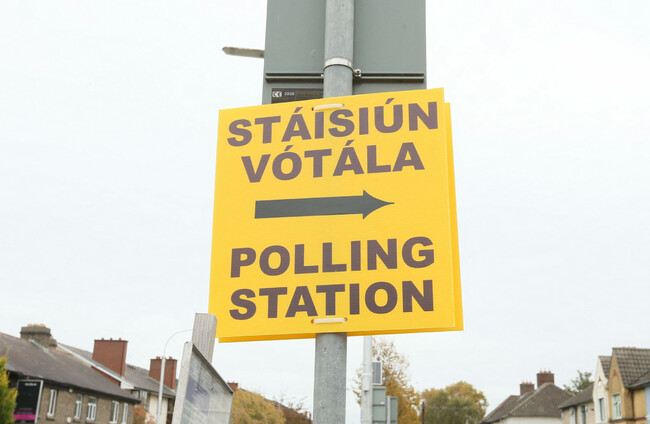
Audits of the registers began after An Coimisiún Toghcháin published its first oversight report of electoral registers last year. Alamy Stock Photo

Some 300,000 names removed from electoral register in the last two years

Art O’Leary said it is hoped that all 31 electoral registers will be migrated to a single database by the end of the year.

SOME 300,000 NAMES have been removed from Ireland’s electoral registers in the last two years, according to the chief executive of the Electoral Commission. 

Art O’Leary said “brilliant work” is being done by the Department of Housing and the 31 local authorities across the country to create a single database that will be a “more accurate and complete register”. 

Work to remove duplicate names from registers, as well as those of people who have changed addresses or died, has been underway since An Coimisiún Toghcháin published its first oversight report of electoral registers last year. 

It found that as of December 2024, 11 local authorities had more people listed on their registers than the estimated eligible population for their areas. 

Speaking on RTÉ’s This Week programme, O’Leary said the Commission is hoping that all the registers will be migrated to a single database by the end of the year.

He said it had been hoped this would be done by autumn, but there has been a “slight slippage” to allow the byelections in Dublin Central and Galway West to take place.

“We don’t like to mess with the register during an electoral process,” he said. 

Individual local authorities will continue to have responsibility for “their own patch” on the database.

O’Leary said they have been asked to conduct a separate audit of the register within each authority once the database is up and running. “Then we’ll have a much better picture about accuracy and completeness.”

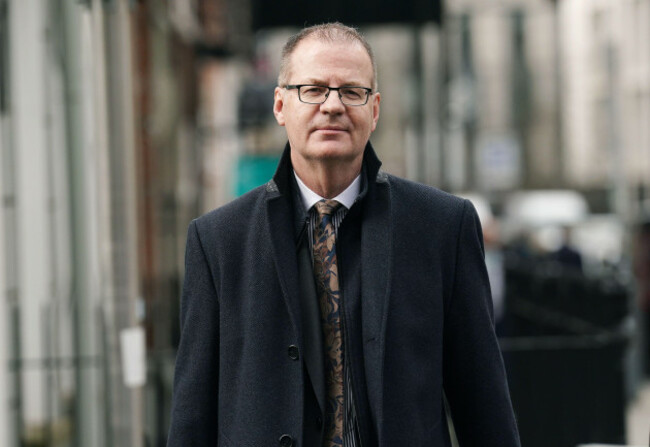
art-oleary-chief-executive-of-an-coimisiun-toghchain-arriving-at-leinster-house-dublin-for-an-appearance-at-the-oireachtas-joint-committee-on-european-union-affairs-to-discuss-upcoming-european Art O'Leary said 700,000 new voters have been added to the register. Alamy Stock Photo Alamy Stock Photo

The Commission used PPS numbers, dates of birth and eircodes to assess the accuracy of each of the 31 electoral registers.

O’Leary said the Commission does not know exactly how many people are on the register that shouldn’t be, adding that the estimates vary from 200,000 to 500,000, but that 300,000 is a “huge dent”. 

“40,000 people die every year in this country, and we have people who emigrate and people who change address. These things happen all the time, so it’s a constantly evolving issue,”he said.

“All I can say is that we’re in a much better position than we were this time last year, and by 2029, I think we should be much closer to what we’re looking for.”

Some 700,000 new voters have also been added to the register, while over 600,000 people have updated their details.

“There’s a huge amount of work being done and the Minister for Housing has invested heavily in local authorities. Each franchise section now has additional staff to manage the register and what we’re looking to see is that continuing to be a priority in the years ahead,” O’Leary said. 

“Accuracy means that the details we have for an individual on the register are correct and they’re only on the register once. Completeness means that everybody’s entitled to vote should be on the register.”

Minister for Local Government James Browne allocated €3 million for the modernisation work last year. Asked if more money was needed, O’Leary said that figure was “enough” for the work that was taking place, but that the resourcing must continue. 

“The work won’t end when everyone migrates to the single database because every single day, people move address, people die, people turn 18, so it will need to be continually resourced.”

Readers like you are keeping these stories free for everyone...
A mix of advertising and supporting contributions helps keep paywalls away from valuable information like this article. Over 5,000 readers like you have already stepped up and support us with a monthly payment or a once-off donation.

Close
18 Comments
This is YOUR comments community. Stay civil, stay constructive, stay on topic. Please familiarise yourself with our comments policy here before taking part.
Leave a Comment
    Submit a report
    Please help us understand how this comment violates our community guidelines.
    Thank you for the feedback
    Your feedback has been sent to our team for review.

    Leave a commentcancel

     
    JournalTv
    News in 60 seconds